
 Treatments









































































NAD+ Injection Therapy Explained: What It Is, How It Works and Who It May Be Suitable For
NAD+ Injection Therapy has become increasingly discussed in wellness, longevity and preventative aesthetic medicine. Many patients hear about NAD+ in relation to healthy ageing, cellular energy, recovery, skin vitality and general wellbeing, but the information available online can often be confusing, overstated or lacking proper medical context.
At rtwskin in Tunbridge Wells, NAD+ Injection Therapy is approached as a medically supervised treatment that may support cellular health and general wellbeing in appropriately selected patients. It is not presented as a quick fix, a cure for tiredness, a detox treatment or a way to reverse ageing.
This guide explains what NAD+ is, how NAD+ Injection Therapy works, what it may support, who it may be suitable for, who should avoid or delay treatment, and why medical assessment is an important part of deciding whether this treatment is appropriate.
Quick Answer
NAD+ stands for Nicotinamide Adenine Dinucleotide. It is a naturally occurring coenzyme found in every cell of the body and is involved in cellular energy metabolism, DNA repair, mitochondrial function and cellular maintenance.
NAD+ Injection Therapy involves administering NAD+ by injection in a clinical setting. In suitable patients, it may help support general wellbeing, cellular function, healthy ageing strategies and skin vitality as part of a broader personalised plan.
However, NAD+ Injection Therapy is not a treatment for chronic fatigue, depression, unexplained brain fog, pain, weight loss or ageing itself. It should not be used as a substitute for medical diagnosis, blood tests, prescribed medication, sleep, nutrition, hydration, movement or stress management. Suitability should always be assessed by a qualified clinician before treatment.
What Is NAD+?

NAD+ is short for Nicotinamide Adenine Dinucleotide. It is a coenzyme, which means it helps enzymes carry out important biological reactions in the body.
It is naturally present in every cell and plays a key role in how cells convert nutrients into usable cellular energy. NAD+ is also involved in metabolic function, mitochondrial activity, DNA repair pathways, cellular maintenance and stress-response signalling.
Because NAD+ is linked to several important cellular processes, it has gained attention in the areas of wellness, longevity and healthy ageing. However, this does not mean that increasing NAD+ will automatically change how a person feels, looks or functions. The body is highly complex, and symptoms such as tiredness, low resilience or reduced vitality often have several possible causes.
What Does NAD+ Do in the Body?
NAD+ is involved in many chemical reactions that allow cells to function normally. One of its best-known roles is in cellular energy metabolism, where it helps cells convert food into energy that can be used by the body.
It is also involved in processes linked to mitochondrial function, DNA repair, cellular signalling and metabolic regulation. These functions are important for overall cellular maintenance, but they should not be confused with guaranteed treatment outcomes.
For example, NAD+ may be discussed in relation to cellular energy, but that does not mean NAD+ injections will automatically resolve tiredness. Fatigue can be caused by sleep disruption, iron deficiency, thyroid imbalance, hormonal changes, stress, medication, infection, chronic illness or other underlying factors. This is why a consultation is essential before treatment is considered.
Why Are Patients Interested in NAD+?
Many patients become interested in NAD+ because they feel that their general resilience, recovery or vitality has changed. Some are exploring healthy ageing support, while others have seen NAD+ mentioned in relation to wellness optimisation, skin vitality or longevity medicine.
Common reasons patients ask about NAD+ include:
- feeling generally run down;
- reduced resilience;
- slower recovery after stress or busy periods;
- interest in cellular health;
- early healthy-ageing concerns;
- skin vitality as part of a wider aesthetic plan;
- interest in medically supervised wellness support.
These concerns are common, but they are not always caused by reduced NAD+ availability. They may relate to lifestyle factors, nutritional deficiencies, hormonal changes, medical conditions, sleep quality, stress or medication. A doctor-led clinic should therefore assess the whole person, not simply offer NAD+ because a patient has requested it.
Why May NAD+ Levels Decline?
NAD+ availability may change with age and may also be influenced by wider lifestyle and health factors. Sleep quality, alcohol intake, stress, inflammation, nutrition, metabolic health and general lifestyle balance may all affect how efficiently the body functions at a cellular level.
This is one reason why NAD+ Injection Therapy should be viewed as part of a wider health and wellbeing conversation. It should not be positioned as a standalone solution. If lifestyle foundations are poor or symptoms are unexplained, addressing those factors may be more important than starting injectable wellness treatment.
What Is NAD+ Injection Therapy?
NAD+ Injection Therapy involves administering NAD+ by injection in a clinical setting. The aim is to support cellular health and general wellbeing in patients who are clinically suitable after assessment.
This differs from oral supplements, which rely on digestion and absorption. Injectable treatment bypasses the digestive system and is delivered as part of a supervised treatment plan. However, this does not mean injections are automatically better for everyone. Suitability depends on medical history, symptoms, current medication, lifestyle factors, treatment goals and clinical judgement.
At rtwskin in Tunbridge Wells, NAD+ Injection Therapy is considered only after consultation. The purpose of the consultation is to understand why the patient is interested in NAD+, whether their expectations are realistic, and whether any symptoms require further medical assessment before treatment.
Why Medical Assessment Matters Before NAD+ Therapy
Medical assessment is especially important because many of the symptoms that lead people to ask about NAD+ can have other causes.
Persistent tiredness, reduced concentration, low resilience, dizziness, unexplained changes in weight, poor sleep, low mood, pain, irregular periods, palpitations or sudden changes in energy should not be automatically treated as “wellness” concerns. In some cases, they may indicate an underlying issue that requires proper investigation.
A clinician may need to consider factors such as:
- anaemia or iron deficiency;
- thyroid imbalance;
- vitamin B12, folate or vitamin D deficiency;
- hormonal changes, including perimenopause or menopause;
- sleep disruption;
- stress or burnout;
- medication side effects;
- inflammatory or metabolic conditions;
- recent illness;
- other unexplained symptoms.
NAD+ Injection Therapy should not be used to mask symptoms or delay appropriate medical care. If symptoms suggest that further investigation is needed, this should come first.
Clinical Insight from Dr Nina Sheffield
As a doctor-led clinic, we do not view NAD+ Injection Therapy as a universal answer for tiredness, ageing or general wellbeing concerns. It may be appropriate for some patients, but only after understanding the wider clinical picture.
Before recommending NAD+, it is important to assess medical history, current medication, lifestyle, symptoms, expectations and any red flags that may suggest the need for further medical investigation. If a patient is experiencing persistent fatigue, unexplained symptoms or significant changes in health, treatment should not be started without considering whether medical assessment or blood tests are more appropriate.
At rtwskin, NAD+ Injection Therapy is consultation-led. The decision is not based only on whether a patient wants the treatment, but on whether it is suitable, safe and realistic for that individual.
What Happens During NAD+ Injection Therapy at rtwskin?
The treatment process begins with a consultation. This is an important part of the appointment, not a formality. During the consultation, your clinician will discuss your medical history, current symptoms, medication, allergies, lifestyle, wellbeing goals and previous treatments.
The consultation also helps identify whether NAD+ is appropriate or whether your concerns should be investigated in another way first. For example, if you are experiencing severe or persistent fatigue, dizziness, sudden health changes or unexplained symptoms, your clinician may advise further medical assessment before considering NAD+ Injection Therapy.
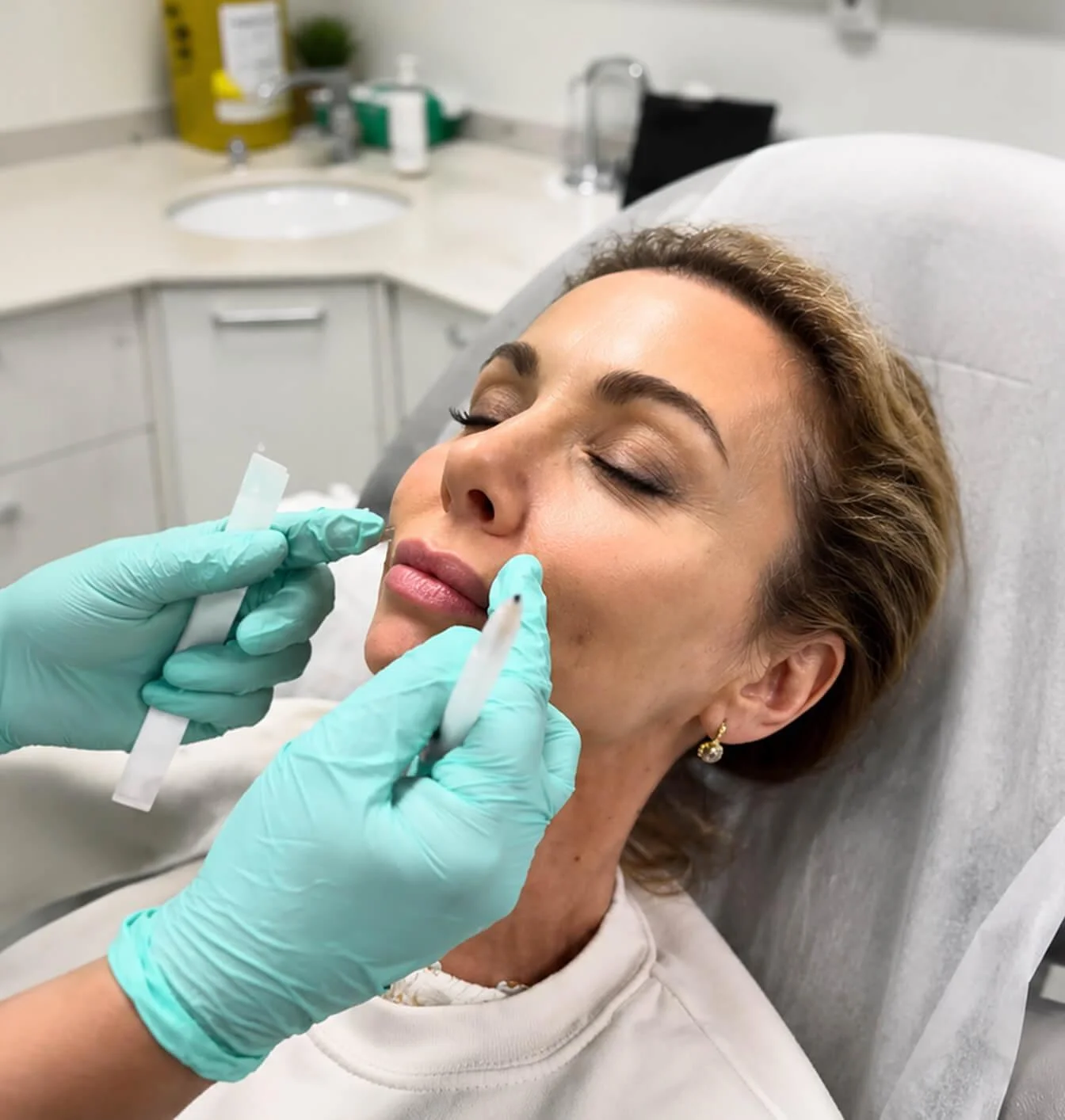
If treatment is suitable, your clinician will explain what the injection involves, what you may feel during or after treatment, possible side effects, aftercare and whether a follow-up appointment may be helpful. The treatment is then administered in clinic by a trained professional.
After treatment, you may be advised to stay hydrated, avoid excessive alcohol, monitor the injection site and report any unusual symptoms. Some patients may be reviewed after treatment, especially if NAD+ is being considered as part of a wider wellness, skin health or healthy ageing plan.
NAD+ Injections vs NAD+ Supplements
Patients often ask whether NAD+ injections are better than supplements. The answer depends on the individual.
Oral supplements rely on digestion and absorption, which can vary between people. Some supplements also contain NAD+ precursors rather than NAD+ itself, meaning the body must convert them through its own biological pathways.
NAD+ injections are administered clinically and bypass the digestive system. This may be one reason patients are interested in injectable treatment. However, injectable treatment also requires proper suitability assessment and should not be used casually or without medical context.
Neither option is universally superior. The right approach depends on the patient’s health status, goals, medical history, lifestyle and whether there is a clear reason to consider treatment.
NAD+ Injections vs IV NAD+
Some patients also ask about the difference between NAD+ injections and IV NAD+ therapy. IV treatments are delivered through a vein and may take longer to administer, while injections are usually quicker and delivered into tissue rather than directly into the bloodstream.
The best format depends on the patient, the clinic protocol and clinical suitability. More intensive treatment is not automatically better, and a higher dose or more complex delivery method does not guarantee stronger results.
At rtwskin, the focus is not on offering the most aggressive approach, but on choosing a medically appropriate option for the individual patient.
What Can NAD+ Injection Therapy Support?
In suitable patients, NAD+ Injection Therapy may help support general wellbeing and cellular health as part of a wider plan. It may be considered for patients interested in healthy ageing strategies, cellular energy metabolism, resilience, recovery support and skin vitality.
However, it is important to keep expectations realistic. NAD+ Injection Therapy is not a direct skin resurfacing treatment, lifting procedure, collagen-stimulating injectable or replacement for medical skincare. It does not work in the same way as laser resurfacing, skin boosters, polynucleotides, PRP, collagen-stimulating injectables or regenerative aesthetic treatments.
For visible skin ageing concerns, a personalised skin plan may be more appropriate. NAD+ may sit alongside broader wellness and skin health strategies, but it should not be presented as a standalone solution for lines, laxity, pigmentation or texture.
What NAD+ Injection Therapy Cannot Do
A clear understanding of limitations is essential before treatment.
NAD+ Injection Therapy cannot:
- reverse ageing;
- cure fatigue;
- replace sleep;
- correct nutritional deficiencies;
- treat depression or anxiety;
- diagnose medical conditions;
- replace blood tests or medical assessment;
- replace prescribed medication;
- treat chronic pain;
- guarantee improved skin, energy or mood;
- compensate for poor lifestyle foundations;
- act as a detox treatment.
This does not mean NAD+ has no role. It means the treatment should be positioned honestly, with suitable patients, realistic expectations and appropriate clinical supervision.
NAD+ and Skin Health
NAD+ is involved in cellular processes that are relevant to energy, repair and maintenance, which is why it is sometimes discussed in relation to skin vitality and healthy ageing. However, NAD+ Injection Therapy is not a direct aesthetic treatment in the way that laser resurfacing, injectable skin boosters, microneedling, PRP or collagen-stimulating treatments are.
Patients with concerns such as fine lines, skin laxity, uneven texture, pigmentation, acne scarring or loss of volume usually need a targeted skin or aesthetic treatment plan. NAD+ may be considered as part of a broader wellbeing approach, but it should not replace evidence-led skin treatments when visible skin changes are the main concern.
At rtwskin, the most appropriate plan depends on the concern, skin quality, medical history, age, lifestyle and treatment goals.
What Results Can Patients Realistically Expect?
NAD+ Injection Therapy does not produce an immediate visible transformation. It should not be compared with aesthetic procedures that create structural or surface-level changes in the skin.
Some patients may notice subtle changes in general wellbeing or resilience, while others may notice little immediate difference. Response varies from person to person and depends on baseline health, lifestyle, age, underlying causes of symptoms and whether NAD+ is part of a wider plan.
If tiredness or reduced wellbeing is caused by an untreated deficiency, poor sleep, stress, hormonal change or another medical factor, NAD+ alone is unlikely to address the root cause. This is why the consultation stage is so important.
How Quickly Does NAD+ Injection Therapy Work?
There is no universal timeline. Some patients may report feeling different relatively soon after treatment, while others may experience more gradual changes or no noticeable change.
Because NAD+ is involved in cellular processes rather than producing a direct cosmetic effect, it is better to think of the treatment as supportive rather than transformational. Your clinician should explain what is realistic for you based on your health, symptoms and goals.
If a clinic promises dramatic or guaranteed results from NAD+ therapy, that should be treated with caution.
How Often Might NAD+ Treatment Be Needed?
Treatment frequency should be decided individually after consultation. Some patients may be advised to start with a short course, while others may only need occasional support as part of a broader wellness or healthy ageing plan.
There is no single schedule that is right for everyone. More treatment does not automatically mean better results, and NAD+ should not be used as a substitute for addressing sleep, nutrition, hydration, stress, movement or medical concerns.
Your clinician will advise whether treatment is appropriate, how it may fit into your wider plan and whether follow-up is recommended.
Safety, Side Effects and Suitability
NAD+ Injection Therapy is generally well tolerated when delivered in an appropriate clinical setting, but it is not risk-free and it is not suitable for everyone.
Possible reactions after injection may include:
- temporary redness at the injection site;
- mild swelling;
- tenderness;
- bruising;
- mild discomfort;
- temporary light-headedness.
These effects are usually short-lived, but patients should always be given clear aftercare advice and know when to contact the clinic. Any unexpected or persistent symptoms should be reported.
Suitability must be assessed carefully if you are pregnant, breastfeeding, acutely unwell, taking regular medication, managing a medical condition or experiencing unexplained symptoms. In some cases, treatment may need to be delayed or avoided.
Who May Be Suitable for NAD+ Injection Therapy?
NAD+ Injection Therapy may be suitable for patients who are interested in medically supervised wellness support and have realistic expectations about what the treatment can and cannot do.
It may be considered for patients who:
- are interested in healthy ageing support;
- want to support general wellbeing as part of a wider plan;
- are focused on cellular health and lifestyle optimisation;
- understand that results vary;
- are willing to address sleep, nutrition, hydration, movement and stress;
- have no contraindications after consultation;
- are suitable following medical assessment.
The key point is that suitability is not based only on interest. It depends on whether the treatment is appropriate for your health status, symptoms, goals and clinical background.
Who Should Avoid or Delay NAD+ Therapy?
NAD+ Injection Therapy may need to be avoided or delayed if you are pregnant, breastfeeding, acutely unwell or managing certain medical conditions. It may also be unsuitable if you are taking medication that requires additional assessment or if you have symptoms that have not yet been properly investigated.
Treatment may not be appropriate if you:
- are pregnant or breastfeeding;
- are currently unwell;
- have uncontrolled medical conditions;
- are taking certain regular medications;
- have unexplained fatigue or sudden changes in health;
- are experiencing dizziness, weight changes, pain or other symptoms that need assessment;
- are expecting guaranteed results;
- want NAD+ to replace medical care, sleep, nutrition or lifestyle changes.
In these situations, your clinician may recommend delaying treatment, seeking further medical advice or addressing underlying factors first.
Can NAD+ Help If You Feel Tired All the Time?
NAD+ is involved in cellular energy metabolism, so it is understandable that patients ask about it when they feel run down. However, ongoing tiredness should not be treated as a simple wellness issue without context.
Persistent fatigue can have many causes, including poor sleep, stress, iron deficiency, thyroid imbalance, vitamin deficiency, hormonal change, medication side effects or underlying illness. NAD+ Injection Therapy should not be used to cover up symptoms that need proper assessment.
If tiredness is persistent, severe, new or unexplained, medical investigation should come first.
How to Support NAD+ Naturally
NAD+ Injection Therapy should not be viewed in isolation. The body’s ability to function well at a cellular level is influenced by daily habits, medical status and lifestyle foundations.
Ways to support general cellular health naturally include:
- prioritising restorative sleep;
- eating a balanced, nutrient-dense diet;
- including adequate protein and micronutrients;
- staying well hydrated;
- moving regularly;
- building muscle strength where appropriate;
- managing stress;
- reducing excessive alcohol intake;
- addressing nutritional deficiencies where relevant;
- seeking medical advice for persistent or unexplained symptoms.
These foundations matter. NAD+ therapy should sit within a wider health strategy, not replace it.
How NAD+ Fits Into a Wider Wellness and Skin Health Plan
For some patients, NAD+ Injection Therapy may form one part of a broader plan that includes lifestyle support, skin health treatments, medical-grade skincare, regenerative aesthetics or healthy ageing strategies.
For others, the most appropriate first step may be medical assessment, blood tests, changes to sleep or nutrition, treatment for a deficiency, hormone-related support or a targeted skin treatment rather than NAD+.
This is why personalised consultation is important. The right plan should be based on the patient in front of the clinician, not on a generic trend.
Is NAD+ Injection Therapy Worth It?
NAD+ Injection Therapy may be worth considering if you are clinically suitable, interested in medically supervised wellness support and have realistic expectations. It may be particularly relevant for patients who want to explore cellular health and healthy ageing as part of a broader, doctor-led plan.
It may be less appropriate if you are looking for a guaranteed result, a quick fix, a replacement for medical investigation or a treatment for unexplained symptoms.
The value of NAD+ therapy depends on suitability, context and expectations. A consultation is the best way to decide whether it is appropriate for you.
Why Choose a Doctor-Led Clinic for NAD+ Injection Therapy?
NAD+ Injection Therapy should not be approached as a one-size-fits-all wellness injection. A doctor-led clinic can assess whether the treatment is suitable, whether symptoms need further investigation and whether NAD+ fits logically into a wider plan.
At rtwskin in Tunbridge Wells, treatment decisions are made through consultation. Patients are assessed carefully, and treatment may be delayed or not recommended if there are medical reasons to do so.
This approach is especially important for patients who are experiencing tiredness, reduced resilience, medication changes, hormonal symptoms or general health concerns. The safest and most useful treatment plan is one that considers the whole patient, not just the requested procedure.

What is NAD+?
NAD+ stands for Nicotinamide Adenine Dinucleotide. It is a naturally occurring coenzyme found in every cell of the body. It is involved in cellular energy metabolism, DNA repair, mitochondrial activity and cellular maintenance.
What is NAD+ Injection Therapy?
NAD+ Injection Therapy is a medically supervised treatment where NAD+ is administered by injection in a clinical setting. It may be considered for suitable patients who want to support general wellbeing, cellular health and healthy ageing strategies as part of a wider plan.
Can NAD+ injections help with energy?
NAD+ is involved in cellular energy metabolism, but this does not mean injections will automatically resolve tiredness. Low energy can have many causes, including poor sleep, deficiencies, stress, hormonal changes or medical conditions. Persistent or unexplained fatigue should be medically assessed.
Is NAD+ an anti-ageing treatment?
NAD+ is often discussed in relation to healthy ageing because of its role in cellular function. However, it should not be described as a treatment that reverses ageing. It may support healthy ageing strategies in suitable patients, but results vary and expectations should remain realistic.
How quickly do NAD+ injections work?
Response varies. Some patients may notice subtle changes sooner, while others may experience gradual effects or no obvious change. NAD+ Injection Therapy should be viewed as supportive rather than transformational.
Are NAD+ injections the same as supplements?
No. Supplements are taken orally and rely on digestion and absorption. NAD+ injections are administered clinically and bypass the digestive system. Neither option is right for everyone, and suitability should be assessed individually.
Are NAD+ injections safe?
NAD+ injections are generally well tolerated when provided in an appropriate clinical setting, but they are not suitable for everyone. Possible side effects include redness, swelling, tenderness, bruising, mild discomfort and temporary light-headedness. A consultation is needed before treatment.
Who should avoid NAD+ therapy?
Patients who are pregnant, breastfeeding, acutely unwell, managing uncontrolled medical conditions, taking certain medications or experiencing unexplained symptoms may need to avoid or delay treatment. Your clinician will advise based on your individual situation.
Do I need a consultation before NAD+ Injection Therapy?
Yes. A consultation is important to assess your medical history, symptoms, medication, expectations and suitability. It also helps identify whether further medical assessment may be needed before treatment.
Can NAD+ Injection Therapy improve skin?
NAD+ is involved in cellular processes that may support skin vitality as part of a broader wellbeing plan. However, it is not a direct skin resurfacing, lifting or collagen-stimulating treatment. Visible skin concerns usually require a targeted aesthetic or dermatology plan.
Is NAD+ suitable if I take regular medication?
Possibly, but this must be assessed before treatment. You should tell your clinician about all regular medication, supplements and medical conditions so they can decide whether NAD+ Injection Therapy is appropriate.
Can NAD+ replace sleep, nutrition or lifestyle changes?
No. NAD+ Injection Therapy should not replace sleep, nutrition, hydration, exercise, stress management or medical care. These foundations remain essential for general health and wellbeing.
Is NAD+ Injection Therapy worth it?
It may be worth considering if you are suitable after consultation, understand the limitations and want medically supervised wellness support as part of a wider plan. It is less appropriate if you expect guaranteed results or want treatment instead of medical investigation.
Conclusion
NAD+ plays an important role in cellular metabolism, mitochondrial function, DNA repair pathways and cellular maintenance. NAD+ Injection Therapy may support general wellbeing, cellular health and healthy ageing strategies in suitable patients, but it is not a miracle treatment and should not be used as a substitute for medical assessment.
The safest and most useful approach is consultation-led. Before treatment, your clinician should consider your symptoms, medical history, medication, lifestyle, goals and expectations. If further medical assessment is needed, that should come first.
At rtwskin in Tunbridge Wells, NAD+ Injection Therapy is offered as part of a doctor-led approach to wellness, skin health and healthy ageing. The aim is not to offer a universal solution, but to help suitable patients make informed, realistic and medically appropriate decisions.