
 Treatments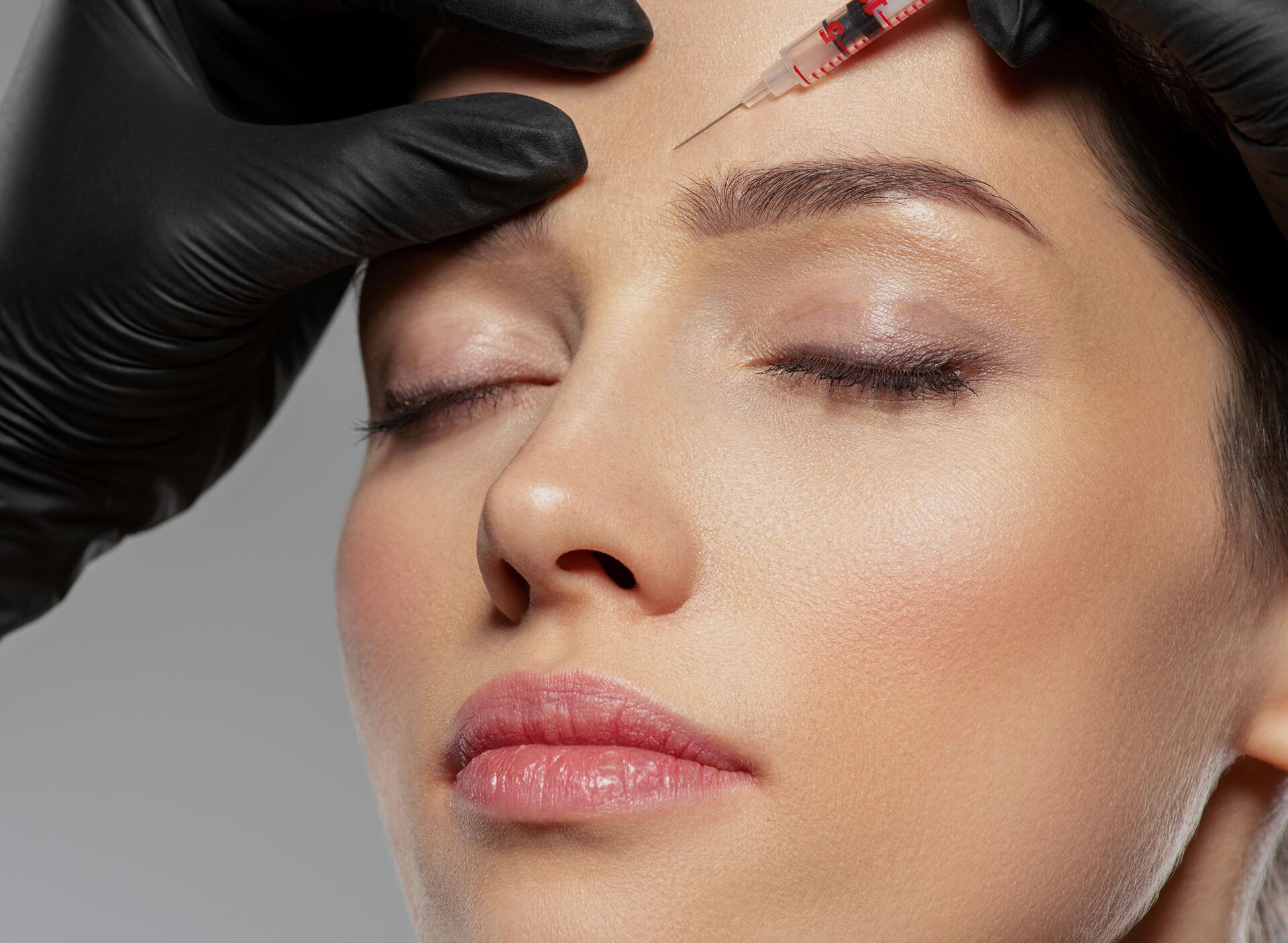
































































What Are Skin Boosters and Are They Worth It in 2026?
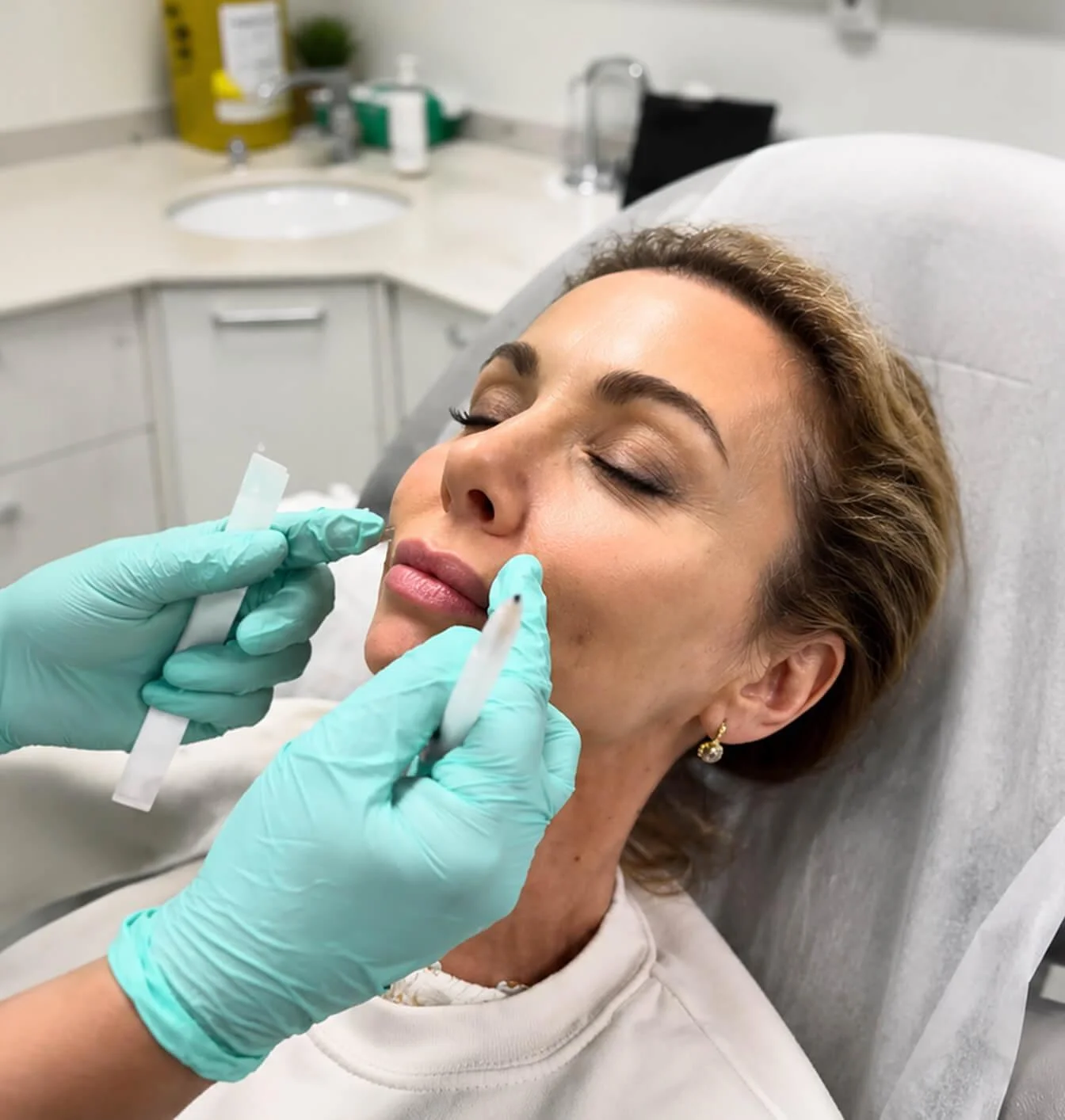
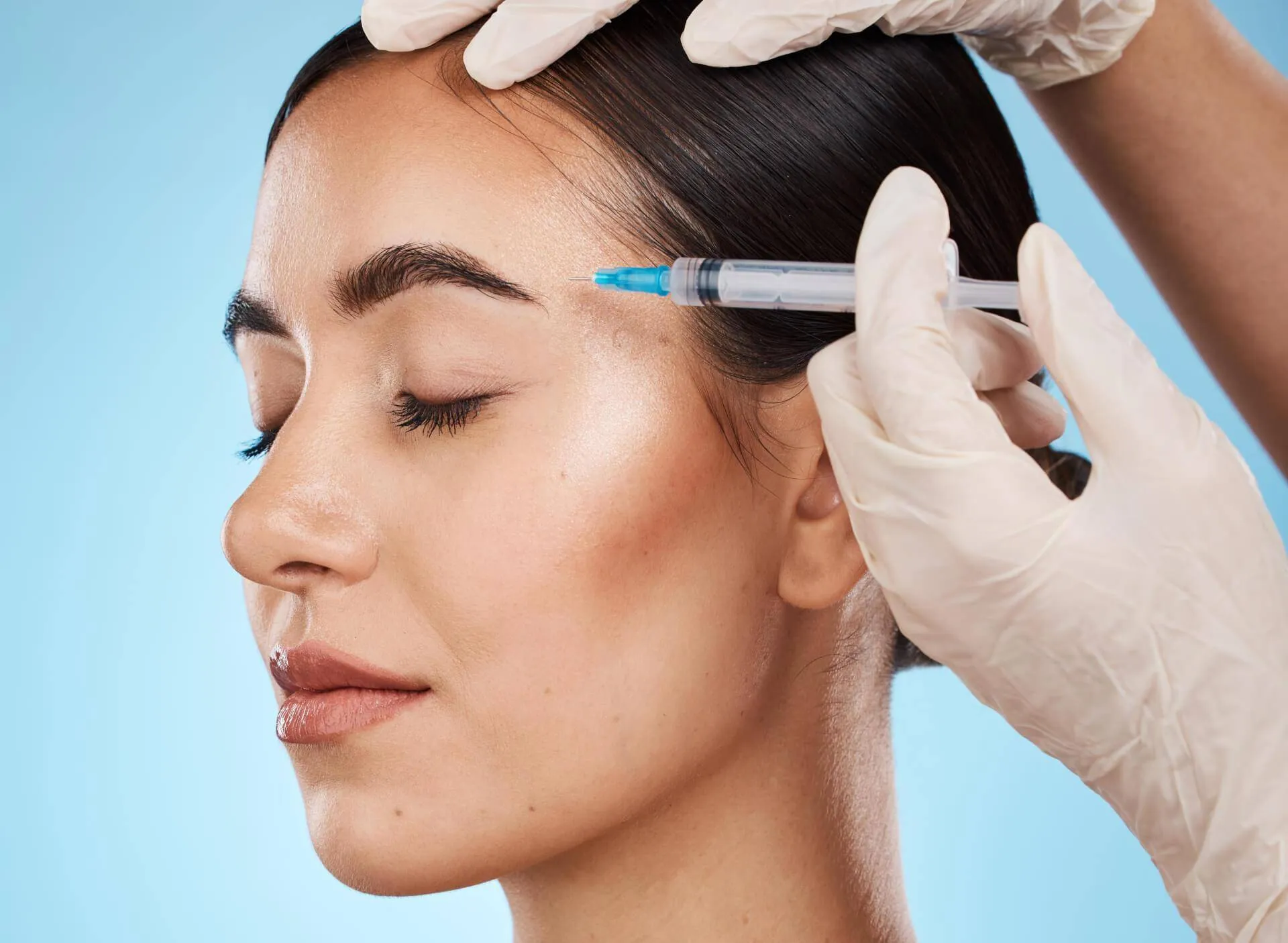
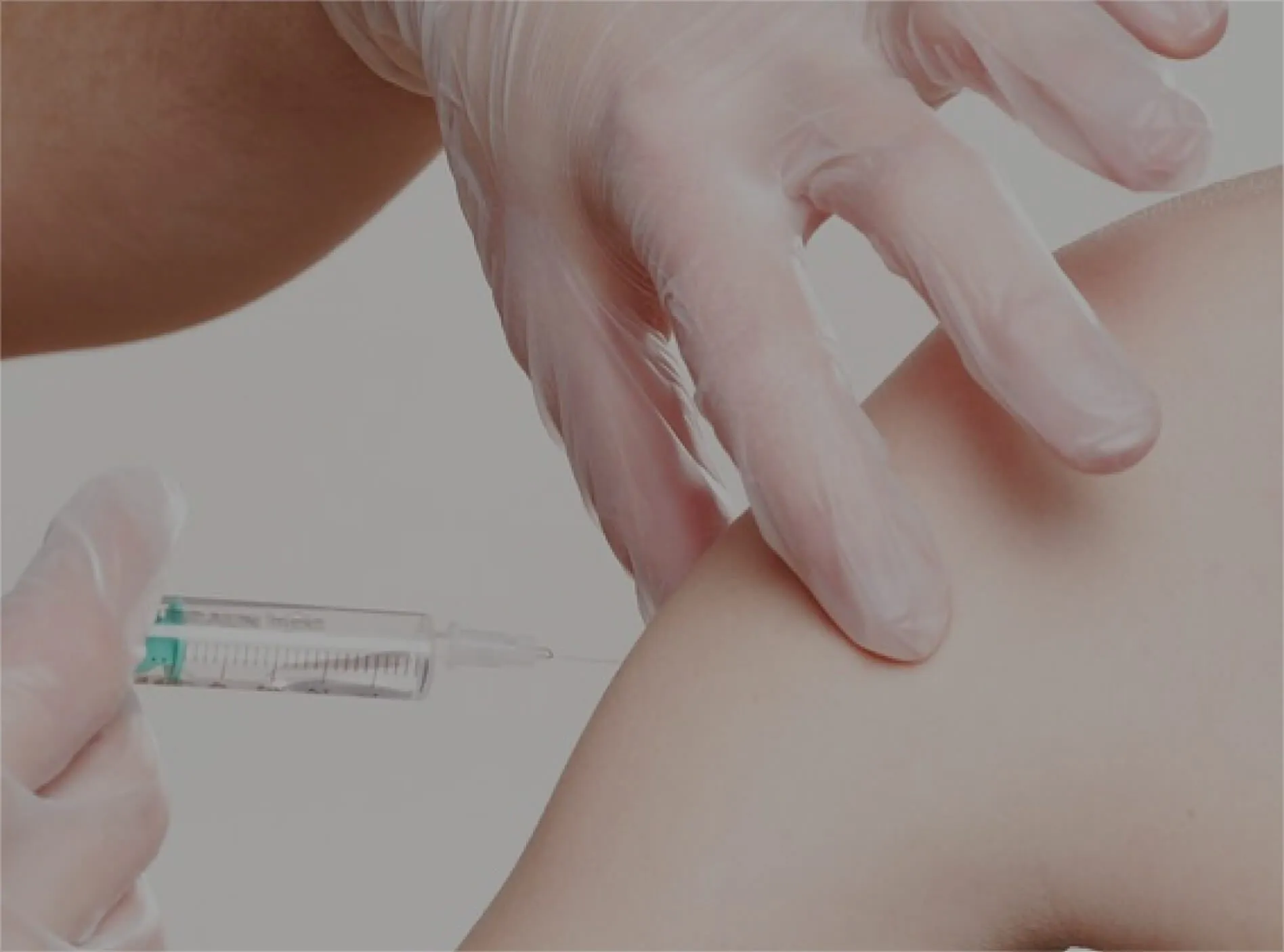
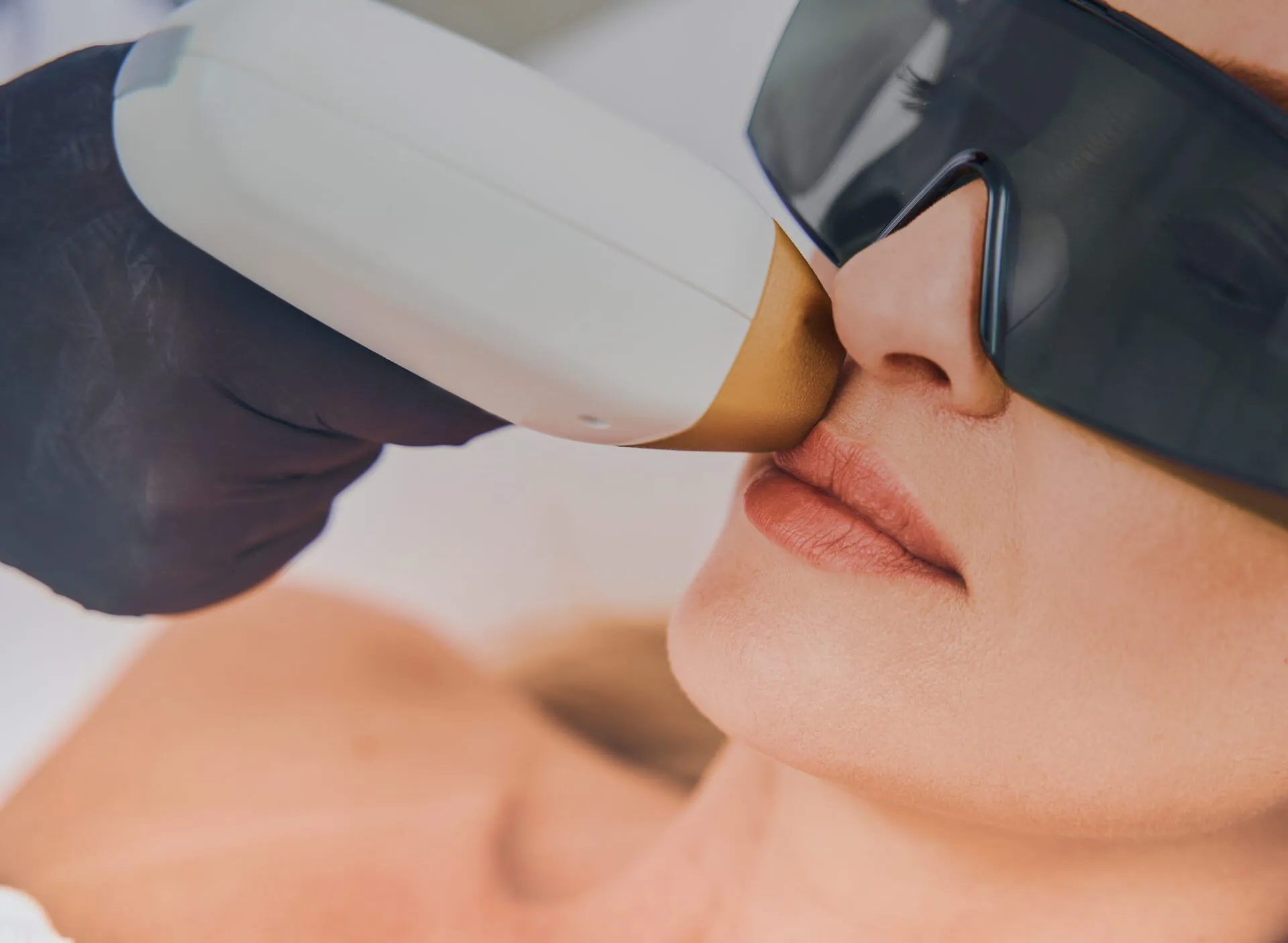
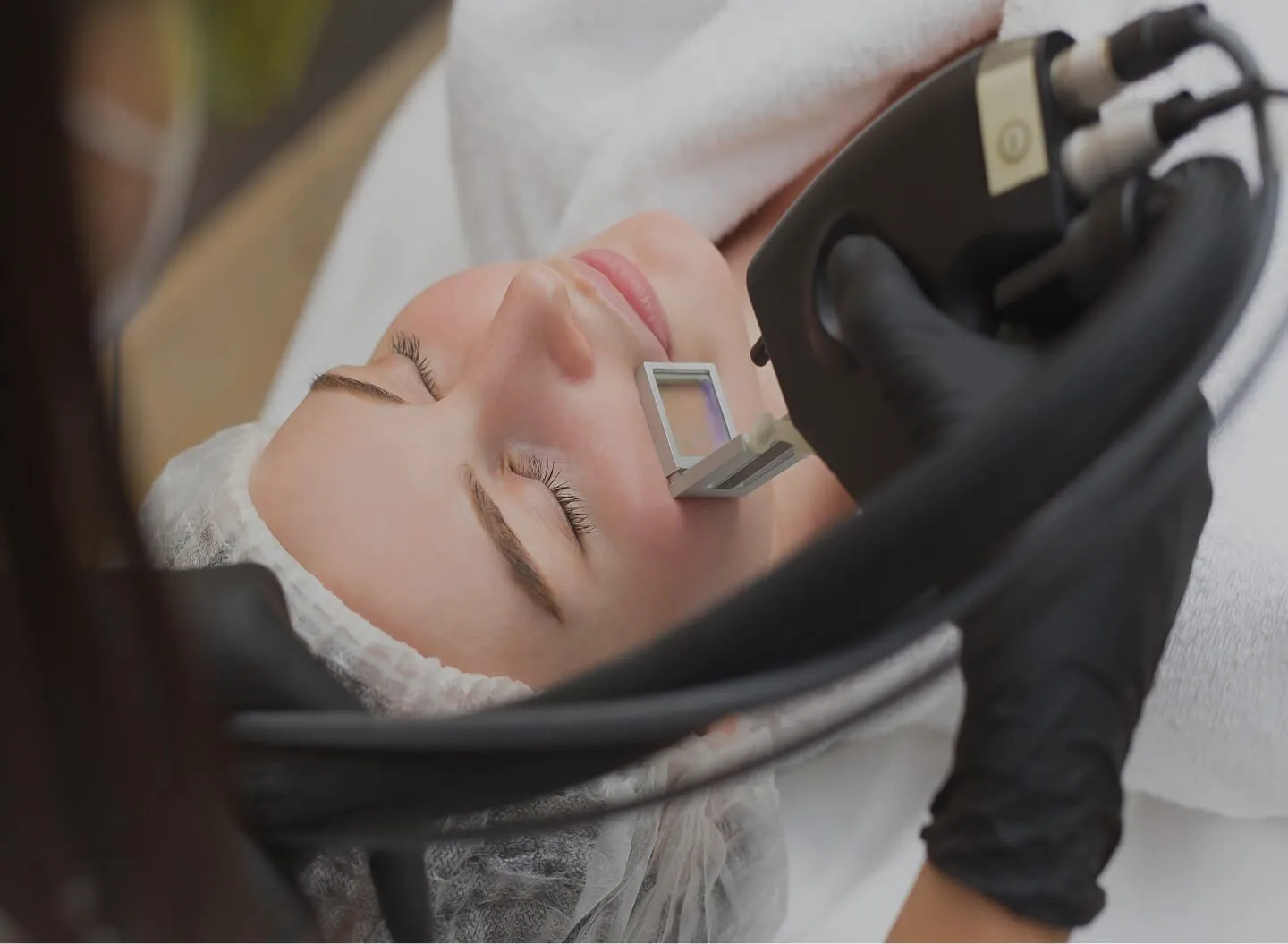
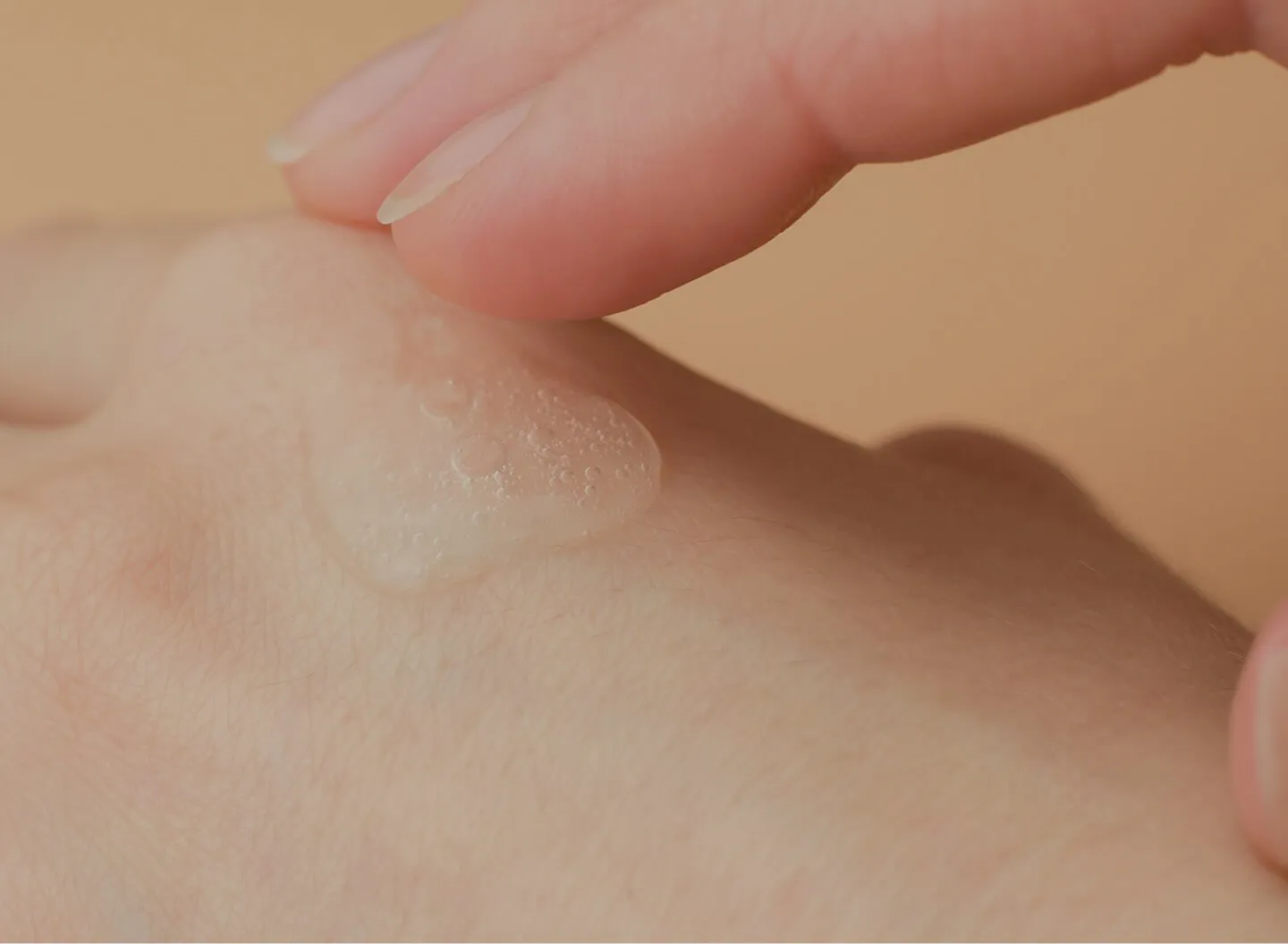
Skin boosters are injectable treatments designed to improve skin quality, rather than change the shape of the face.
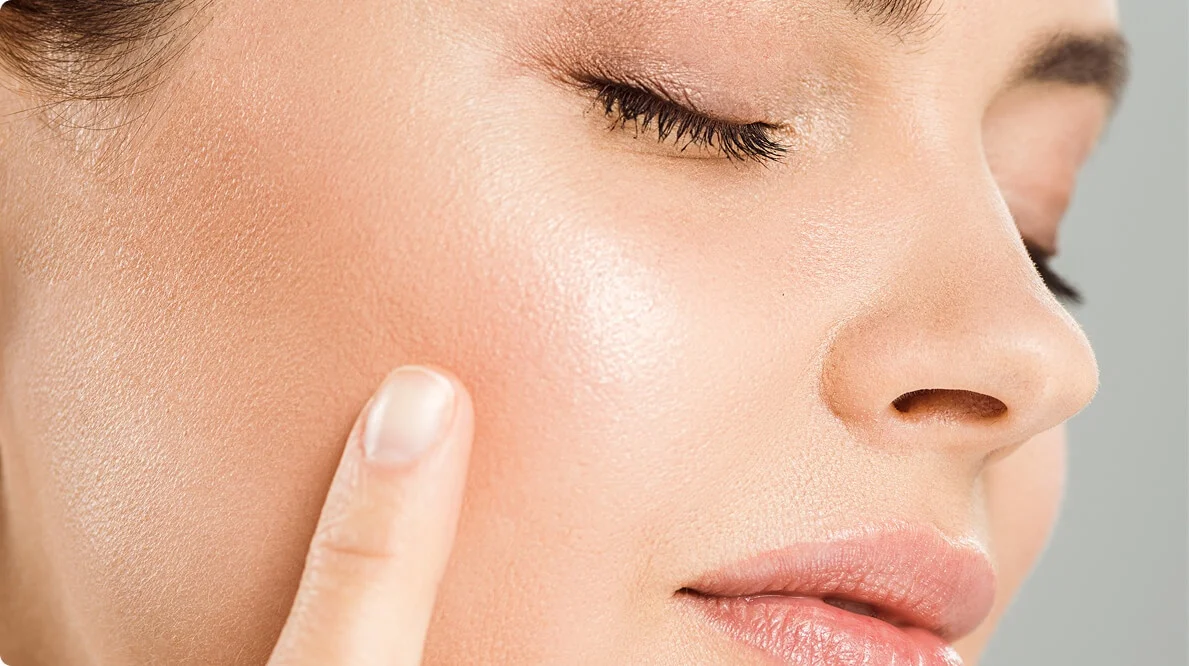
They can help improve hydration, fine lines, skin texture, elasticity, radiance and overall skin resilience. Unlike dermal fillers, they are not mainly used to add volume or reshape facial features. Their role is to support the skin from within, often by improving hydration, stimulating collagen activity or encouraging gradual regenerative repair.
In 2026, skin boosters can be worth considering if you want natural-looking skin improvement without looking overfilled or visibly “treated”. However, they are not a one-session solution, and they are not suitable for every concern.
At rtwskin in Tunbridge Wells, skin booster treatment is always selected after consultation, based on your skin condition, previous treatments, age, lifestyle and the area being treated.
Why Skin Boosters Have Become So Popular
Aesthetic medicine has changed significantly over the last few years. Many patients no longer come to clinic asking to look dramatically different. More often, they want to look fresher, healthier and more rested, while still looking like themselves.
This is one reason skin boosters have become so popular. They fit naturally into a more modern approach to aesthetics, where the focus is not only on replacing volume, but also on improving the quality and behaviour of the skin.
At rtwskin, this shift is particularly noticeable in patients who are concerned about dullness, dehydration, fine lines, crepey skin, under-eye thinning or early loss of elasticity. These concerns are often not best treated by simply adding more filler. In many cases, the better question is: what does the skin actually need?
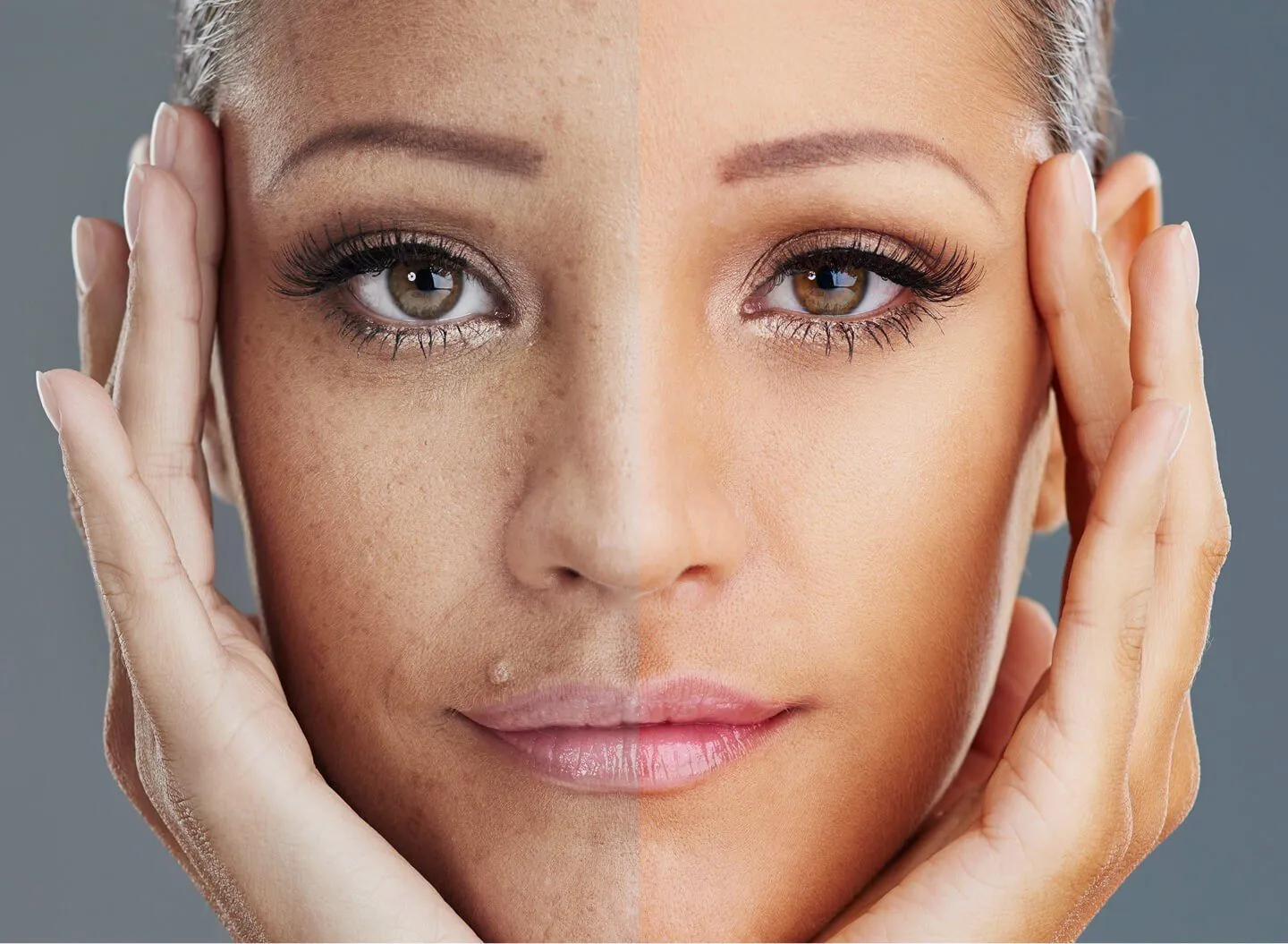
Skin boosters are part of this more skin-focused approach. They may help support hydration, collagen activity and gradual improvement in texture, while keeping the result subtle and natural-looking.
What Are Skin Boosters?
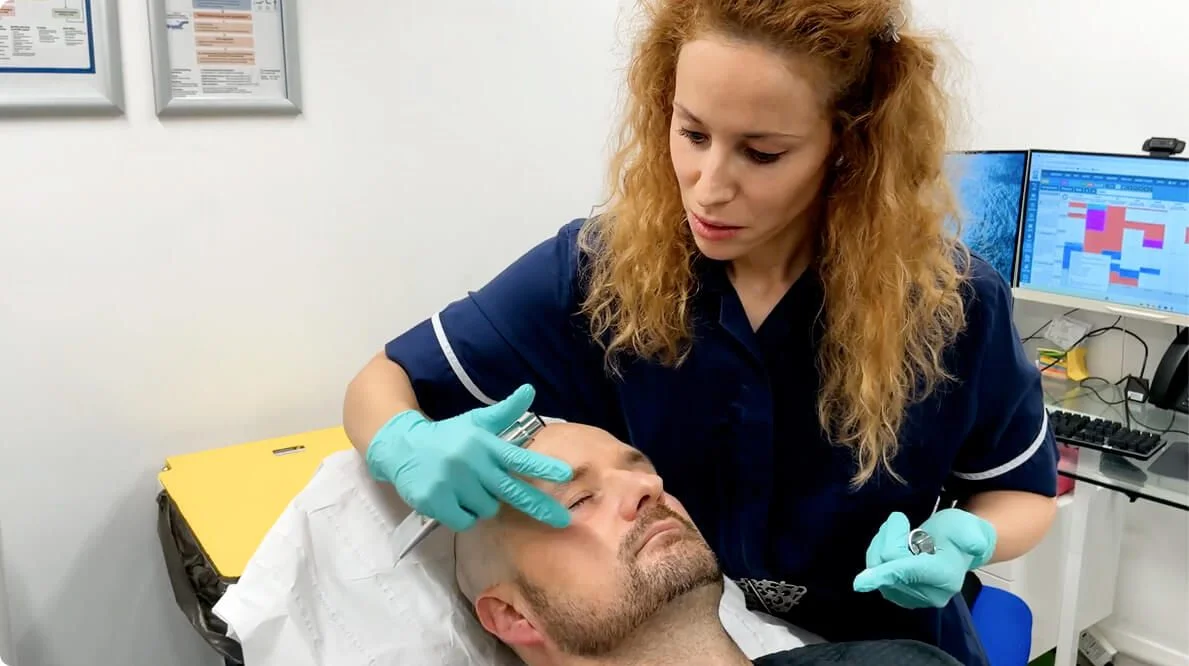
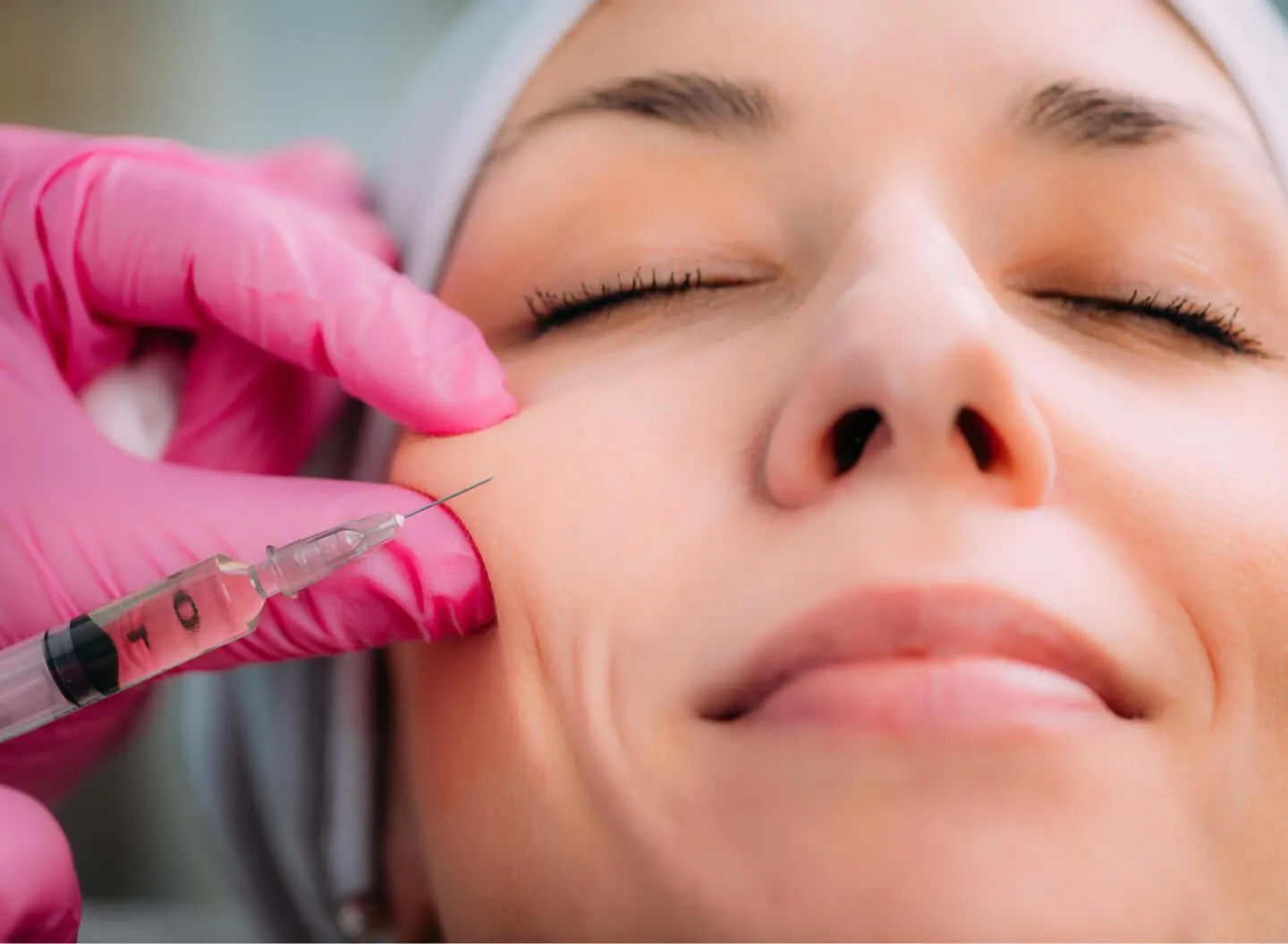
Skin boosters are injectable treatments placed into or just beneath the skin to improve skin quality. Depending on the product used, they may help hydrate the skin, stimulate collagen, support fibroblast activity, improve elasticity or encourage gradual skin repair.
The important point is that skin boosters are not the same as dermal fillers.
Dermal fillers are usually used to restore volume, support structure or enhance facial contours. Skin boosters are used when the main concern is the condition of the skin itself — for example, thinness, dullness, fine lines, crepey texture or reduced elasticity.
A simple way to understand the difference is:
Fillers reshape. Skin boosters improve the skin itself.
This distinction is especially important in delicate areas such as the under eyes. A tired-looking under-eye area may be caused by true hollowing, but it may also be caused by thin skin, poor elasticity, pigmentation, fluid retention, old filler-related swelling or surface texture changes. These are not the same problem, and they should not all be treated in the same way.
Skin Boosters vs Dermal Fillers
Skin boosters and dermal fillers are both injectable treatments, but they have different purposes.
Dermal fillers are usually more appropriate when the concern is volume loss or structural support. They may be used in areas such as the cheeks, lips, chin, jawline or selected tear trough cases when true hollowing is the main issue.
Skin boosters are usually more appropriate when the concern is skin quality. They may be considered when the skin looks dehydrated, finely lined, crepey, dull, thin or less resilient than before.
This is where clinical judgement matters. I often see patients who think they need more filler, especially around the eyes, when in fact the better approach is to improve the quality of the skin first. Adding volume to skin that is already thin, puffy or compromised can sometimes make the problem worse rather than better.
For this reason, skin boosters are not simply a “softer” version of fillers. They are a different category of treatment with a different purpose.
Common Skin Boosters Used at rtwskin
At rtwskin, the choice of skin booster is based on the patient’s skin quality, treatment area and clinical goal. Different products behave differently, so choosing the right option is essential.
Sunekos may be used when the goal is to improve delicate skin quality, hydration and elasticity. It is often considered for the under-eye area, fine lines and thin or crepey skin.
Juvelook is often selected when collagen stimulation and gradual skin strengthening are priorities. It may be useful for fine lines, under-eye skin concerns, acne scarring, uneven texture and mild laxity.
Profhilo is commonly associated with hydration and bio-remodelling. It may be considered for patients with dull, dehydrated or mildly lax skin who want a natural-looking improvement in glow and skin quality.
Polynucleotides are used in regenerative aesthetic medicine to support repair, resilience and skin quality. They may be considered for tired, compromised or ageing skin, but suitability must always be assessed carefully, especially where allergy history is relevant.
NCTF may be used as part of a skin revitalisation protocol, particularly when the goal is improved hydration, radiance and general skin quality.
Karisma may be considered where collagen bio-stimulation, firmness and elasticity are key concerns.
Exosomes with microneedling may be used as part of an advanced skin repair protocol. This is not the same as traditional filler treatment and is usually considered where texture, recovery support and regenerative skin improvement are priorities.
The most important point is that these treatments are not interchangeable. The right skin booster depends on the skin, the concern, the treatment area and the overall treatment plan.
Who Can Benefit from Skin Boosters?
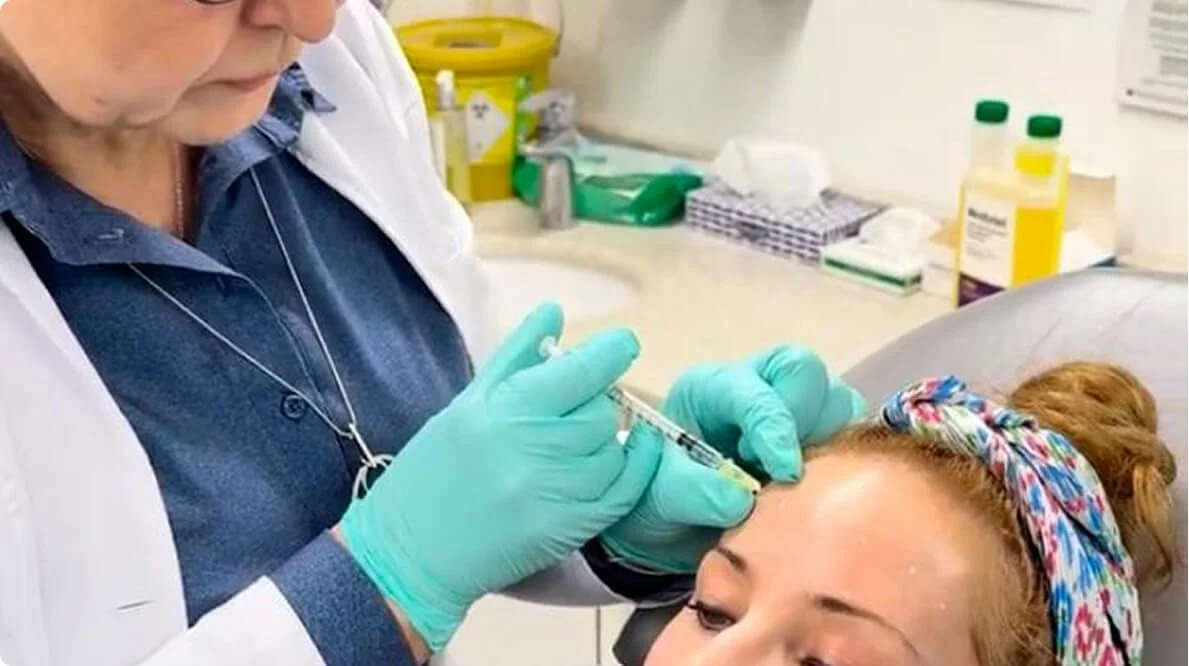
Skin boosters may be suitable for patients who want gradual, natural-looking improvement in skin quality. They are often helpful for people who are starting to notice early signs of ageing but do not yet need structural correction.
They may be considered for concerns such as:
- fine lines;
- mild dehydration;
- dull or tired-looking skin;
- crepey texture;
- reduced elasticity;
- under-eye skin thinning;
- post-acne texture changes;
- mild skin laxity.
From clinical experience at rtwskin, patients in their mid-30s to mid-50s often respond well, particularly when they have early ageing, mild dehydration and realistic expectations.
Skin boosters can also be useful for more mature skin, sun-damaged skin, menopausal skin or smoking-related skin changes, but these cases often need a longer course or a combination treatment plan. In these patients, the aim is usually not one dramatic change, but gradual improvement in skin strength, texture and resilience.
When Skin Boosters May Not Be Enough
Skin boosters can be very helpful, but they are not the right answer for every concern.
They are not designed to create major lifting, replace lost facial structure, remove significant loose skin or correct heavy lower eyelid bags caused by fat prolapse. They also cannot provide permanent results from one session.
If the main concern is volume loss, dermal filler may be more appropriate. If the concern is significant skin excess, surgical advice may be needed. If the main problem is surface damage, acne scarring or deep texture change, laser resurfacing or microneedling may need to be included.
This is why consultation is so important. The aim is not to choose the most popular product, but to understand the cause of the concern and select the safest, most logical treatment plan.
What Results Can You Expect?
Skin booster results are usually gradual. They should not be judged in the same way as dermal filler results, because fillers can create an immediate visible change by adding volume. Skin boosters work more slowly because they are designed to improve skin quality over time.
Some patients notice an early improvement in hydration or glow. Over the following weeks, the skin may begin to feel smoother, more elastic and more refreshed. With collagen-stimulating treatments, visible improvement may
continue to develop over several months.
A typical timeline may look like this:
- Immediately after treatment: mild swelling, injection marks or early hydration effect may be visible.
- After 3–6 weeks: texture, hydration and skin feel may begin to improve.
- After 2–3 months: collagen-stimulating effects may become more noticeable.
- After a full course: the best results are usually seen, especially for under-eye skin, fine lines, acne scarring or more mature skin.
Maintenance may be recommended depending on the product used, skin condition, age, treatment area and long-term goals.
Real Patient Cases from rtwskin
The following examples are based on clinical experience at rtwskin. Individual results vary, and every treatment plan should be based on consultation.
Case Study 1: Under-Eye Rejuvenation in a Patient in Her 40s
A patient in her 40s came to rtwskin with under-eye hollowing, dark circles, fine lines and thinning skin. She had previously been treated with tear trough filler, but her main concern had changed. The issue was no longer simply volume loss. The skin itself needed support.
In this case, the treatment plan focused on improving skin quality rather than adding more filler. A combination protocol of Juvelook and NCTF was used over three sessions, spaced approximately six weeks apart.
The patient experienced improvement in under-eye texture, a softer appearance of dark circles and a fresher, more natural-looking result.
The clinical point here is important: under-eye rejuvenation should not automatically mean more filler. When skin quality is the main concern, a regenerative approach may be more suitable.
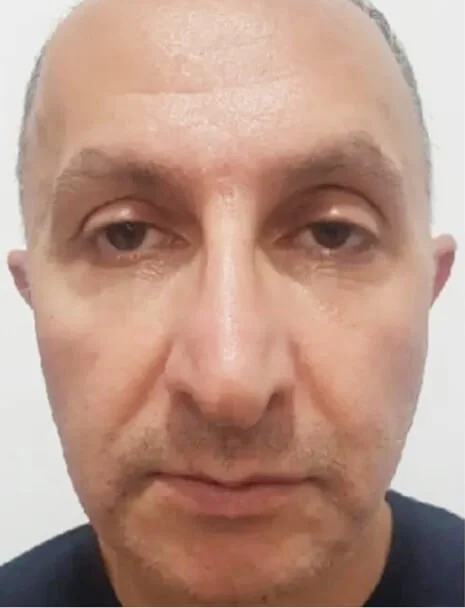
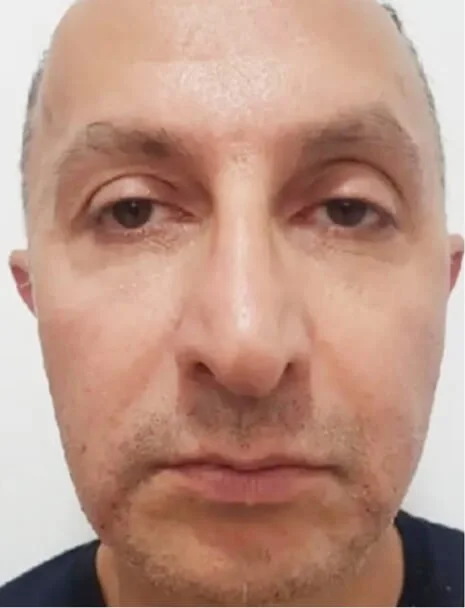
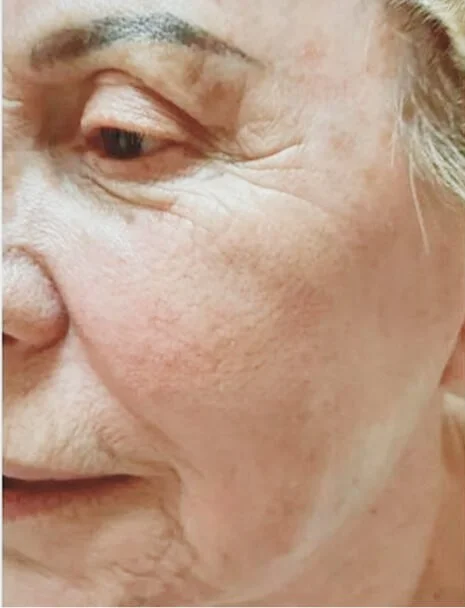
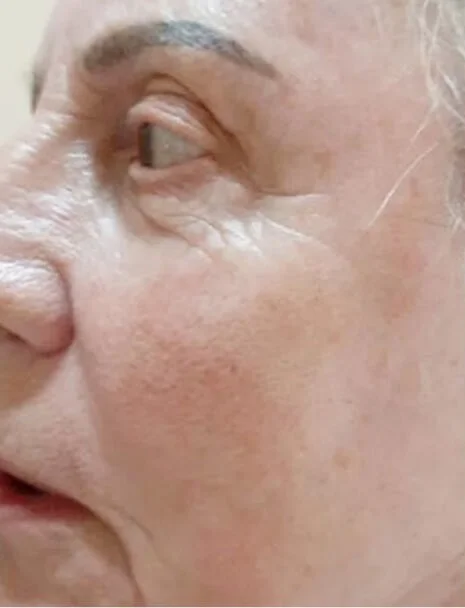
Case Study 2: Couple in Their 60s with Advanced Skin Ageing Concerns
A couple in their 60s attended rtwskin with different concerns related to skin ageing, texture and firmness.
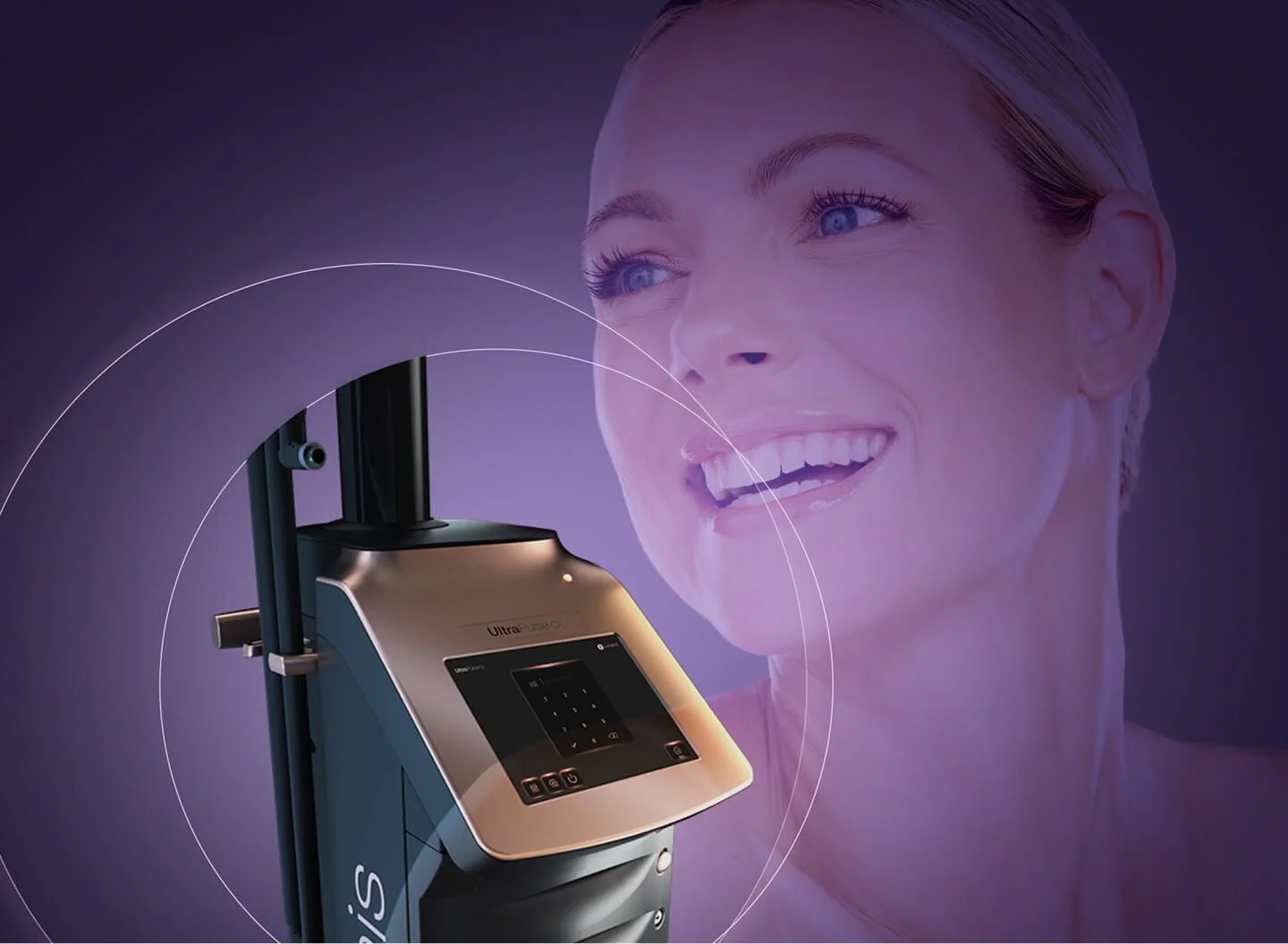
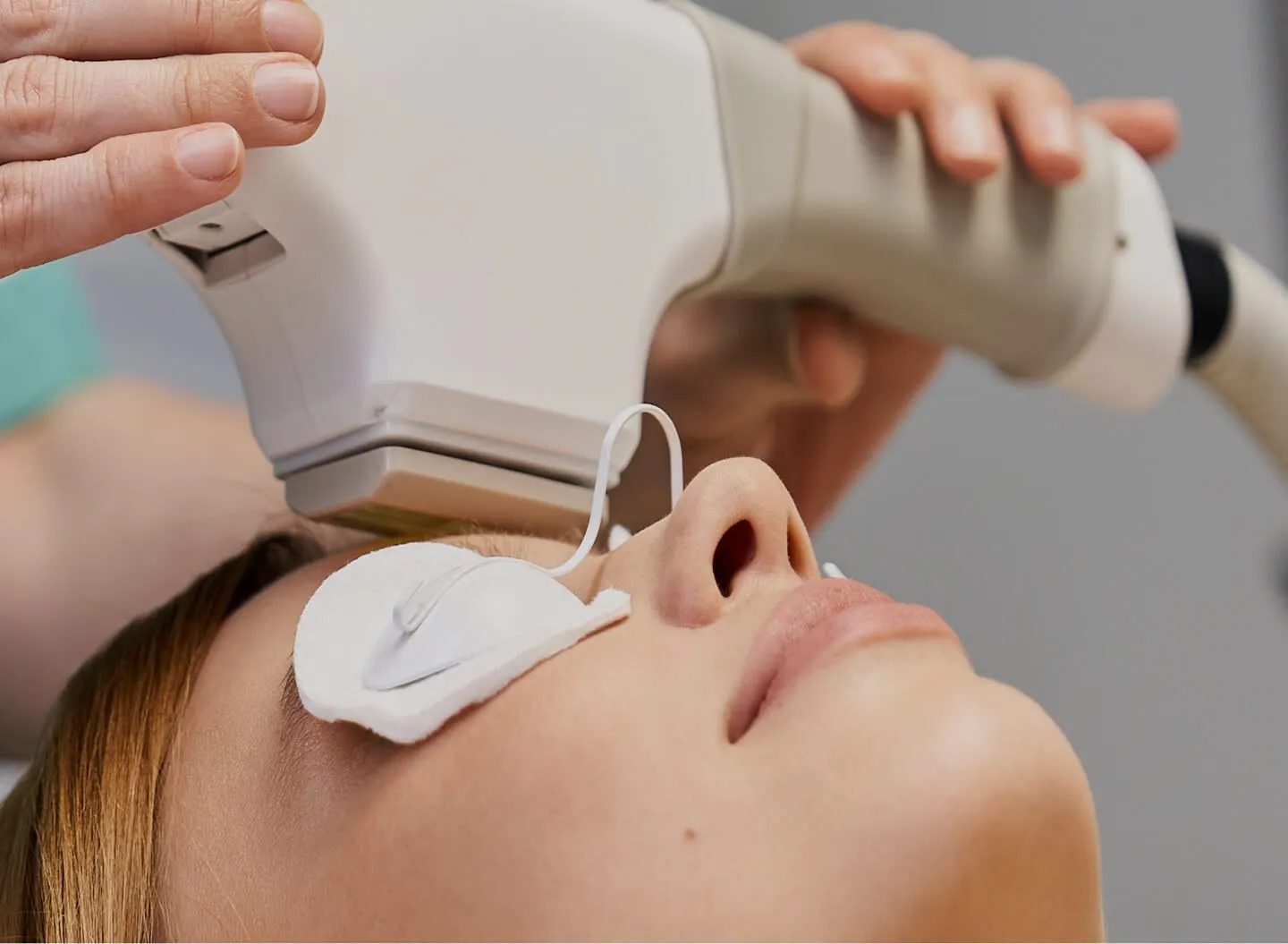
The female patient had under-eye skin laxity, deeper lines and crepey texture. Her treatment plan included Sunekos to support skin nourishment, followed by Juvelook for collagen stimulation. CO₂ laser resurfacing using Lumenis UltraPulse Alpha was then performed after the injectable phase.
The aim was to improve both the biological quality of the skin and the visible surface texture. Her outcome included improved firmness, better skin quality and a more refreshed appearance.
The male patient had acne scarring together with age-related texture changes. His plan included Juvelook and NCTF over three sessions, followed by CO₂ laser resurfacing. The outcome included smoother skin texture, visible improvement in acne scarring and better overall skin quality.
This case shows why combination treatment can be so valuable. Skin boosters may help support regeneration, while CO₂ laser resurfacing can refine texture and stimulate deeper remodelling.
Case Study 3: Tear Trough Filler Complication and Under-Eye Skin Laxity
A female patient presented with severe morning under-eye puffiness, long-standing swelling after tear trough filler placed three years earlier, skin laxity, fluid retention and reduced confidence.
After assessment, further hyaluronic acid filler was not considered appropriate. The clinical concern was that previous filler placement and lymphatic disruption were contributing to puffiness and swelling.
The treatment plan started with dissolving the existing hyaluronic acid filler. This was followed by a Juvelook course to support skin regeneration, and CO₂ laser resurfacing to the under-eye and upper eyelid area.
The patient experienced a significant reduction in puffiness, improved skin tightness, better elasticity and a more natural appearance without surgical intervention.
This case demonstrates one of the most important principles in under-eye treatment: not all under-eye concerns require filler. In some patients, dissolving old filler and rebuilding skin quality may be safer and more effective than adding more volume.
Are Skin Boosters Safe?
Skin boosters are generally well tolerated when selected appropriately and performed by a qualified medical practitioner. However, they are still injectable treatments, and side effects or risks must always be discussed before treatment.
Possible side effects include temporary swelling, bruising, redness, tenderness, small bumps at injection points, unevenness during early healing and temporary under-eye swelling. Rare complications, such as allergic reaction or infection, are also possible.
The under-eye area requires particular care because it is more prone to swelling and fluid retention. Patients with previous tear trough filler, lymphatic congestion, very thin skin or a history of prolonged swelling after injectables need especially careful assessment.
Polynucleotide treatments also require allergy screening, as some products are derived from fish DNA.
A full medical consultation is essential before any injectable treatment.
Common Misconceptions About Skin Boosters
One common misconception is that skin boosters are the same as fillers. They are not. Fillers usually add structure or volume, while skin boosters aim to improve hydration, texture, elasticity and skin quality.
Another misconception is that one session is always enough. Some patients may notice improvement after one treatment, but many skin boosters work best as a course, particularly when treating the under-eye area, acne scarring, collagen loss, crepey texture or more mature skin.
Patients also sometimes worry that they will become dependent on treatment. Skin boosters do not make the skin dependent. If you stop treatment, the skin continues to age naturally. Maintenance is optional and depends on your goals.
Finally, skin boosters should not be seen as instant transformation treatments. They are best for patients who want gradual, natural-looking improvement in skin quality rather than a dramatic change in facial shape.
Are Skin Boosters Worth It in 2026?
Skin boosters can be worth it if your goal is healthier-looking skin rather than facial reshaping.
They may be particularly useful if you want to improve hydration, skin glow, fine lines, texture, elasticity, under-eye skin quality or early ageing changes. They can also be valuable as part of a regenerative plan for patients with acne scarring, mature skin or more complex skin quality concerns.
They may be less suitable if you want instant lifting, dramatic contouring, major volume replacement or permanent results from one session.
The best way to think about skin boosters is as skin conditioning over time. Like fitness for the skin, the results are usually better when treatment is planned properly, performed consistently and supported by good skincare, sun protection and healthy lifestyle habits.
In my experience, the patients who are happiest with skin boosters are those who understand that the goal is not to look different. The goal is to help the skin look healthier, stronger and more refreshed.
Are Skin Boosters Right for You?
Skin boosters may be worth considering if your main concerns are dehydration, dullness, fine lines, reduced elasticity or a gradual decline in overall skin quality — particularly if you are looking for subtle improvement rather than added facial volume.
They may not be the most appropriate option if your main concern is significant volume loss, deeper folds or more pronounced skin laxity. In these cases, another treatment or a combined approach may be more suitable.
At rtwskin, we assess the cause of your concern before recommending a treatment. This helps you understand what may realistically improve your skin and whether a skin booster is worth considering for you.

Why Choose rtwskin for Skin Boosters?
At rtwskin, skin booster treatment is medically assessed and personalised. This matters because the same product will not be right for every patient, and the wrong approach can lead to disappointing or unnatural results.
This is particularly important in delicate areas such as the under eyes. Puffiness, hollowing, thin skin, pigmentation and laxity can all create a tired appearance, but they require different treatment strategies.
The rtwskin approach includes consultation, medical history review, skin quality assessment, consideration of previous treatments, careful product selection and realistic expectation setting. Where needed, skin boosters may be combined with treatments such as CO₂ laser resurfacing, microneedling, exosomes, polynucleotides or medical-grade skincare.
The aim is not to follow trends. The aim is to choose the right treatment for the right patient.
Expert Advice from Dr Nina
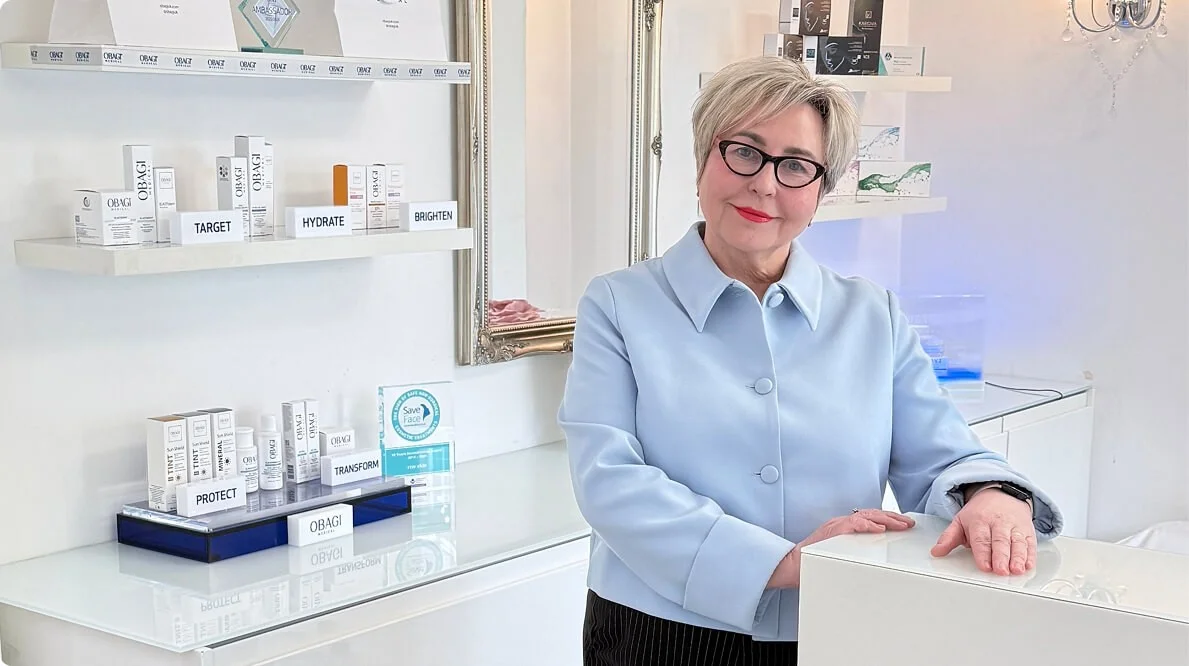
The most important question is not: which skin booster is best?
The better question is: what does this skin actually need?
Some patients need hydration. Some need collagen stimulation. Some need old filler dissolved first. Some need resurfacing. Some need a staged plan over several months.
A good skin booster result should not make the face look different. It should help the skin look healthier, stronger and more rested.
At rtwskin, treatment planning is based on assessment, clinical experience and realistic outcomes. The best results usually come from understanding the skin properly before choosing the treatment.

Final Conclusion
Skin boosters are one of the most useful developments in modern aesthetic medicine because they focus on improving skin quality rather than changing facial features.
They may help support hydration, texture, elasticity, fine lines, radiance and overall skin resilience. They are not the same as fillers, and they are not a shortcut to dramatic transformation.
In 2026, skin boosters are worth considering for patients who want subtle, medically planned and natural-looking skin improvement. The best results come from correct product selection, a full course where needed, careful assessment, honest expectations and appropriate maintenance.
For some patients, skin boosters alone may be enough. For others, they work best as part of a wider regenerative plan that may include laser resurfacing, microneedling, exosomes, polynucleotides or medical-grade skincare.
If you are considering skin boosters, a consultation at rtwskin in Tunbridge Wells can help determine which treatment is most suitable for your skin.
During consultation, your practitioner can assess your skin quality, treatment history, concerns and goals, and advise whether skin boosters, fillers, laser resurfacing or another treatment approach would be most appropriate.
rtwskin is a doctor-led aesthetic and dermatology clinic in Tunbridge Wells, Kent, offering personalised skin booster, laser resurfacing and regenerative aesthetic treatments.
What are skin boosters?
Skin boosters are injectable treatments designed to improve skin quality. They may help support hydration, fine lines, texture, elasticity and overall radiance.
Are skin boosters the same as fillers?
No. Dermal fillers usually restore volume or support facial structure. Skin boosters focus on improving the skin itself rather than changing facial shape.
How long do skin boosters take to work?
Some patients notice hydration or glow quite quickly, but deeper improvement develops gradually. Collagen-stimulating effects may take several weeks or months to become more visible.
How many skin booster sessions will I need?
This depends on the product, treatment area and skin condition. Many patients need a course of sessions rather than a single treatment, especially for under-eye skin, acne scarring, mature skin or collagen loss.
Are skin boosters good for under eyes?
They can be helpful for under-eye skin quality, fine lines, crepey texture and thinning skin. However, under-eye concerns need careful assessment because puffiness, pigmentation, hollowing and laxity have different causes.
Can skin boosters replace tear trough filler?
Sometimes. If the main issue is poor skin quality rather than volume loss, skin boosters or collagen-stimulating treatments may be more suitable. In other cases, tear trough filler may still be appropriate.
Are skin boosters suitable for acne scars?
Certain collagen-stimulating skin boosters may be used as part of an acne scarring treatment plan. They are often combined with treatments such as CO₂ laser resurfacing or microneedling.
Is there downtime after skin boosters?
Downtime is usually mild, but swelling, bruising, redness and tenderness can occur. Under-eye swelling may last longer in some patients, particularly if there is a history of fluid retention or previous filler.
Are skin boosters safe?
Skin boosters are generally well tolerated when performed by a qualified medical practitioner after proper assessment. As with any injectable treatment, there are possible risks, so medical history and suitability must be reviewed first.
Are skin boosters worth it?
Skin boosters can be worth it if you want gradual improvement in skin quality, hydration, texture and fine lines. They are less suitable if you want instant volume, dramatic lifting or permanent results from one session.