 Treatments



























































Red Face That Won’t Go Away? Causes, Rosacea Symptoms & Treatment Options
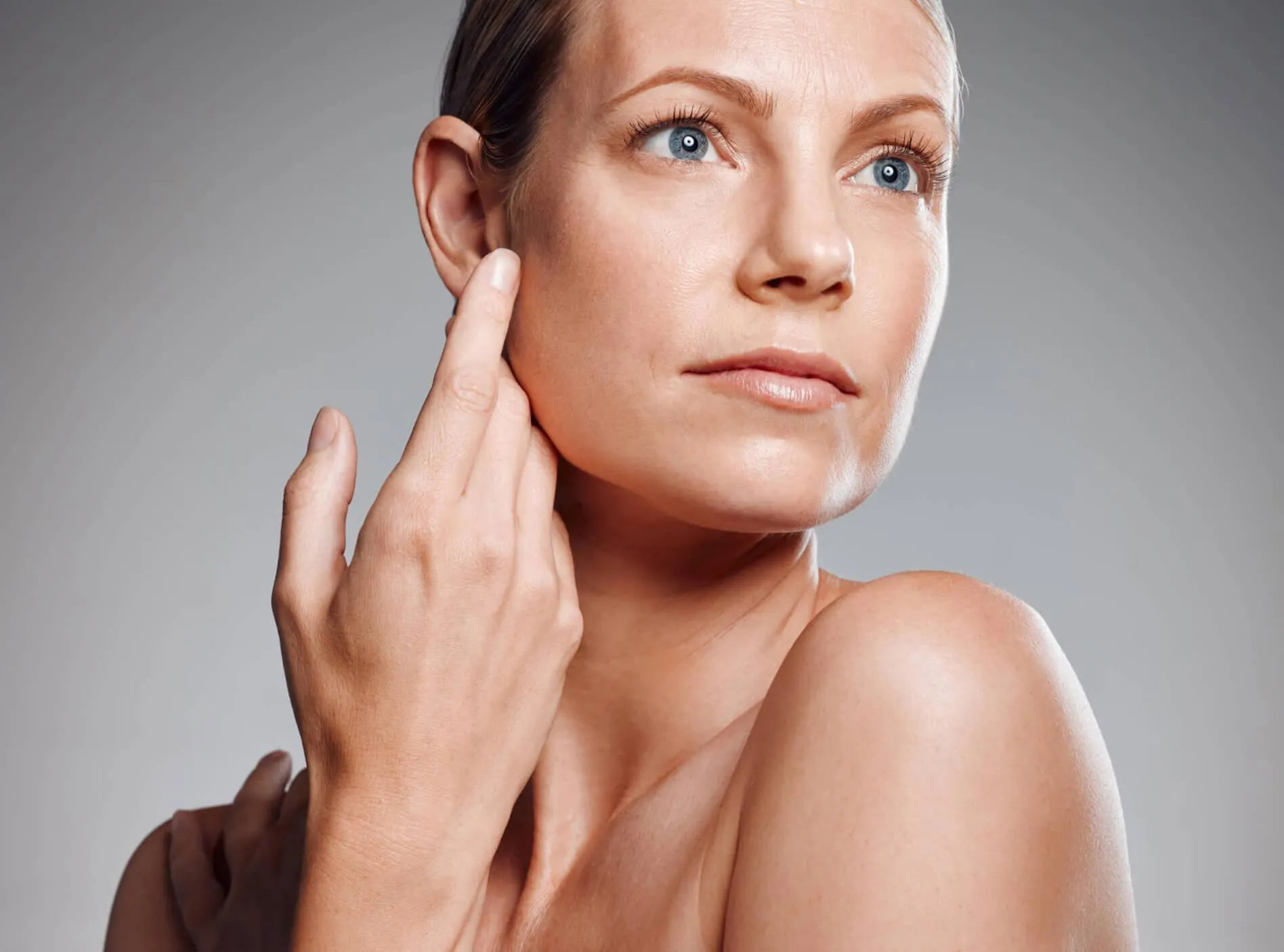
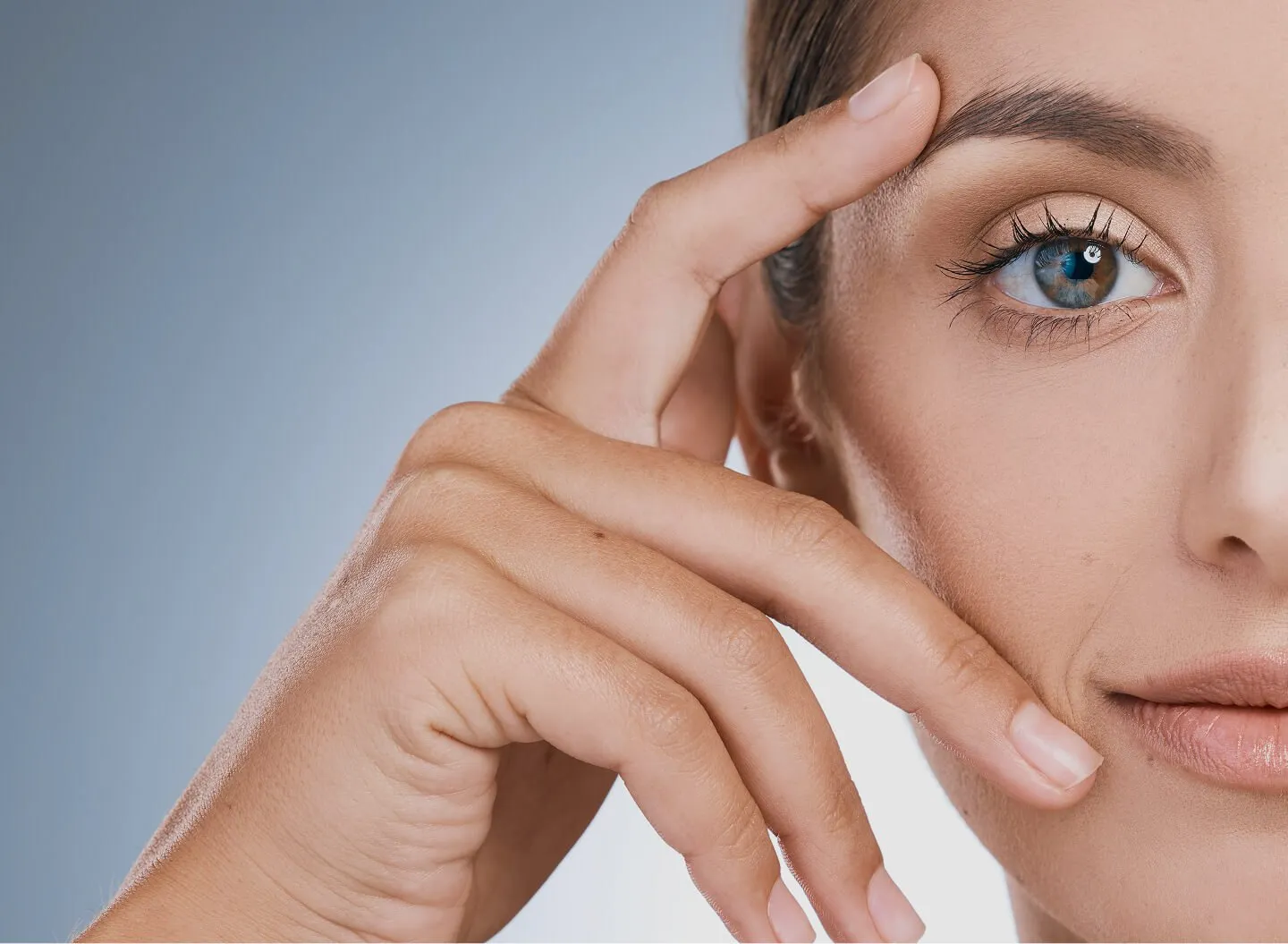
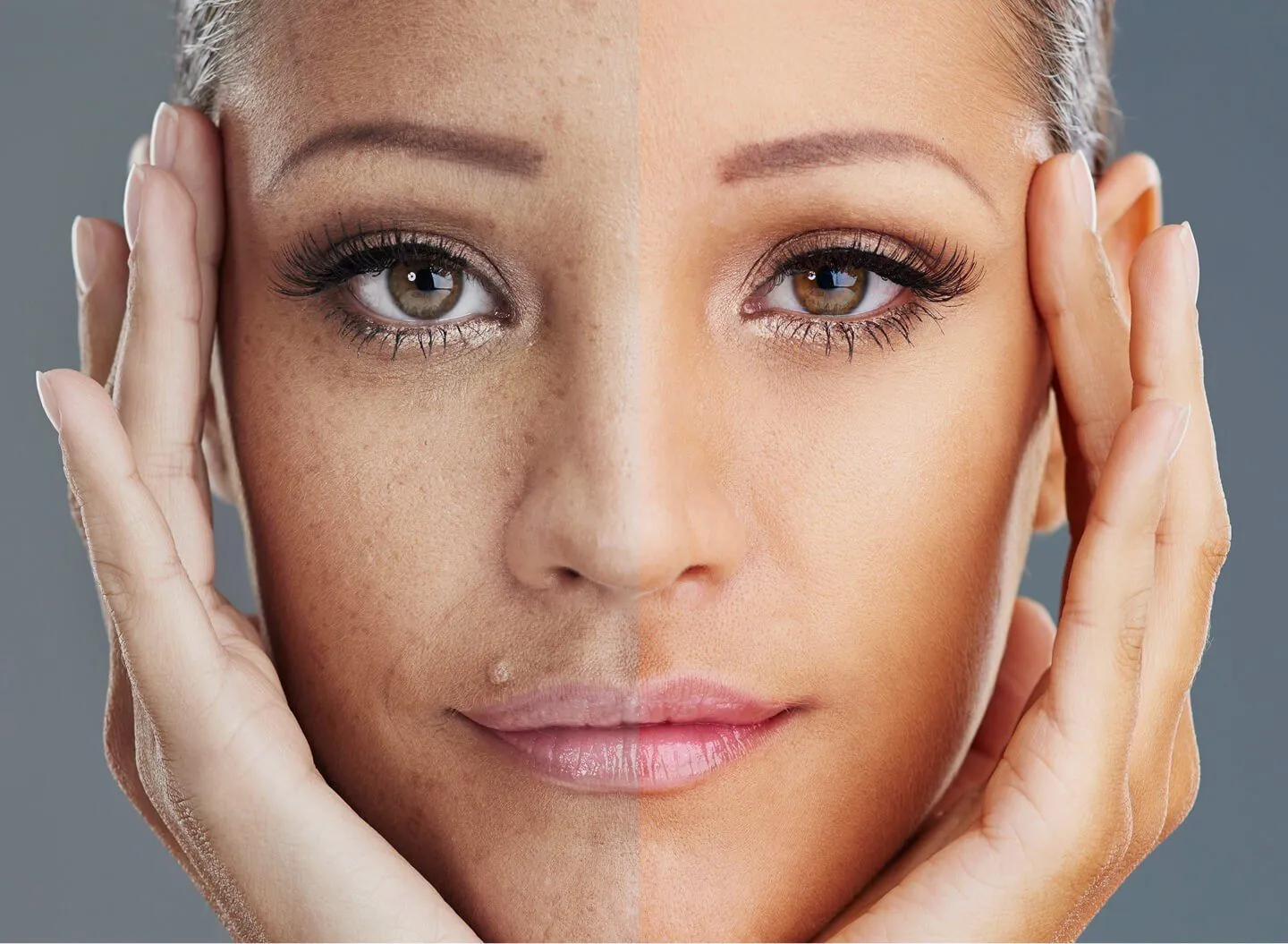
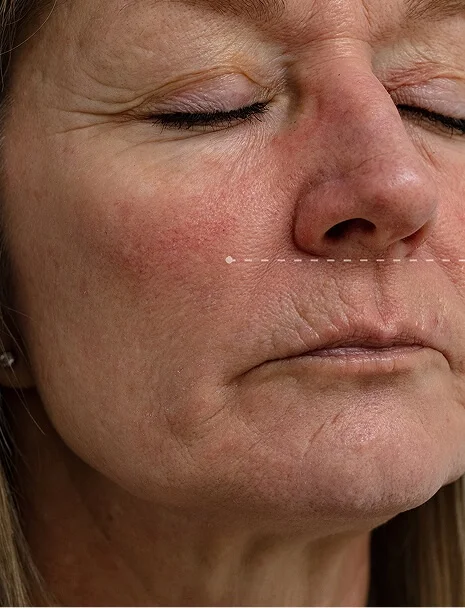
Persistent facial redness is something many people live with for months or even years before they understand what is actually happening to their skin.
At the clinic, this is something I see every day, and based on my experience, patients rarely come in with a diagnosis — they come in with a concern, often asking why their face is always red.
Some describe it as constant flushing. Others say it looks like sunburn that never quite fades. Quite often, they feel it makes them look as if they’ve had alcohol or spicy food — even when they haven’t.
For many, it does not start this way. It often begins as occasional flushing in response to triggers such as heat, stress or alcohol, and gradually becomes more persistent. By the time patients seek advice, most have already tried multiple skincare products.
Many assume it is sensitivity, irritation or even acne. As a result, they try different products, which can often make the skin more reactive rather than improving it.
In a large number of cases, the underlying cause is rosacea.
What Causes Facial Redness?
Facial redness can have multiple causes, and identifying the underlying reason is key to choosing the right treatment.
Facial redness is not always caused by a single factor. In many cases, several underlying processes can overlap, which is why identifying the cause is not always straightforward.
Common causes include:
- Rosacea
- Sun damage
- Skin barrier disruption
- Broken capillaries
- Environmental exposure
- Other inflammatory skin conditions
Because these causes can overlap, professional assessment is often needed to determine what is driving the redness.
What Rosacea Actually Is — And Why It’s Often Missed
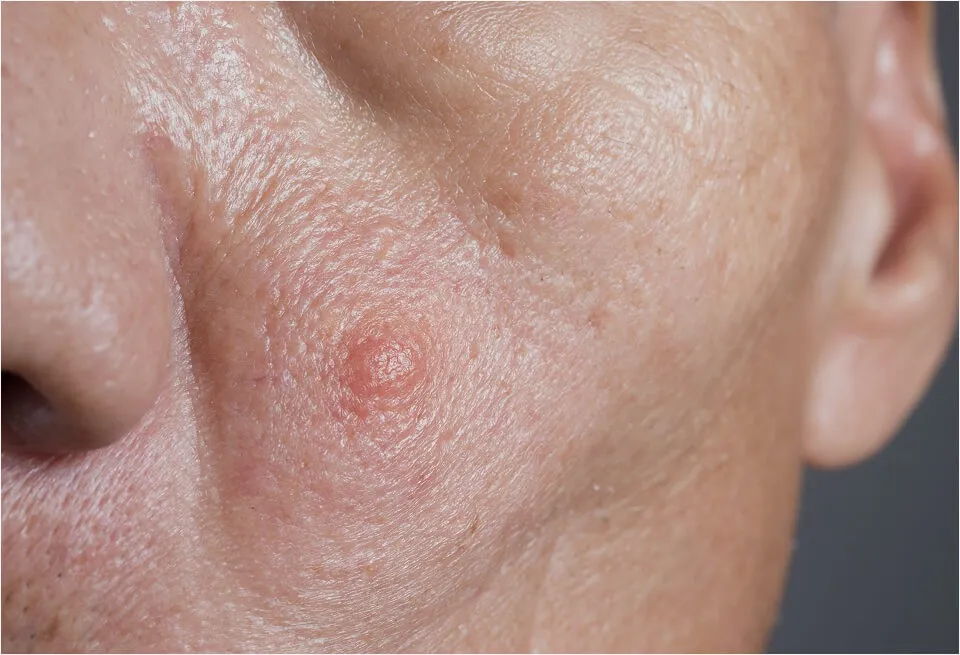
Rosacea is a chronic inflammatory skin condition that primarily affects the central face — most commonly the cheeks, nose and chin.
By definition, organisations such as the NHS describe rosacea as a long-term condition characterised by facial redness, flushing and visible blood vessels, often with periods of flare-ups and remission.
Drawing on over 10 years of experience treating rosacea, I’ve been able to observe that it usually develops gradually rather than appearing suddenly. It often starts with mild or occasional redness and progresses to more persistent symptoms over time.
Because of this gradual onset, it is frequently mistaken for sensitive skin in the early stages.
However, rosacea is not simply sensitivity. It has both inflammatory and vascular components, which is why the skin can become increasingly reactive and more difficult to manage without the correct approach.
Types of Rosacea (Why Diagnosis Matters)
In practice, rosacea does not present in exactly the same way for every patient. There are several recognised subtypes, and understanding these helps guide treatment decisions.
- Erythematotelangiectatic rosacea – persistent redness and visible blood vessels
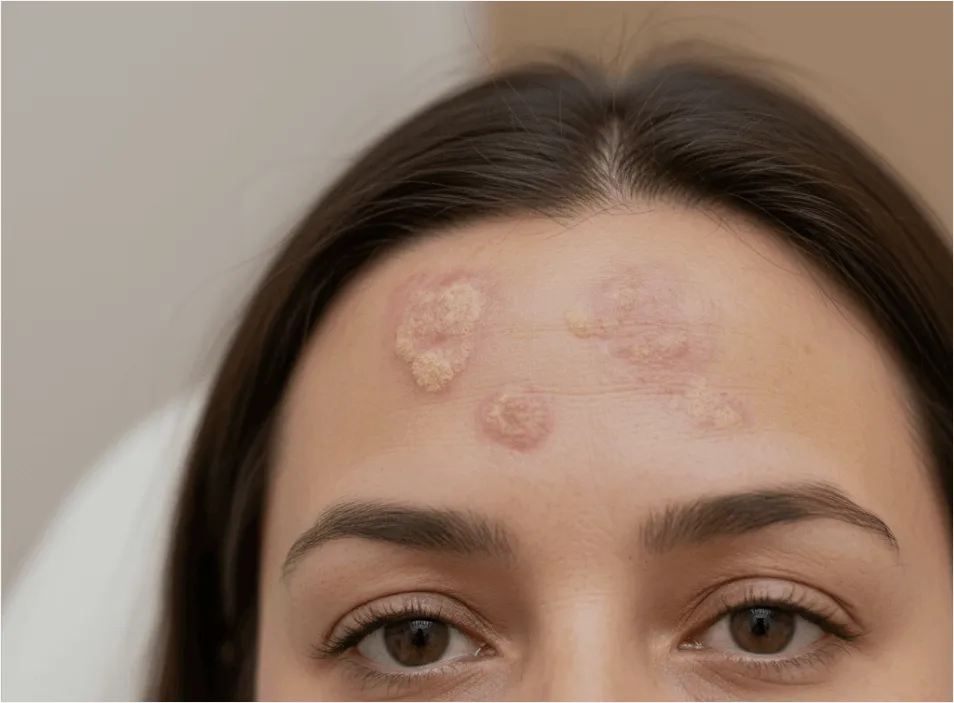
- Papulopustular rosacea – redness with bumps that can resemble acne
- Phymatous rosacea – thickened or textured skin (less common)
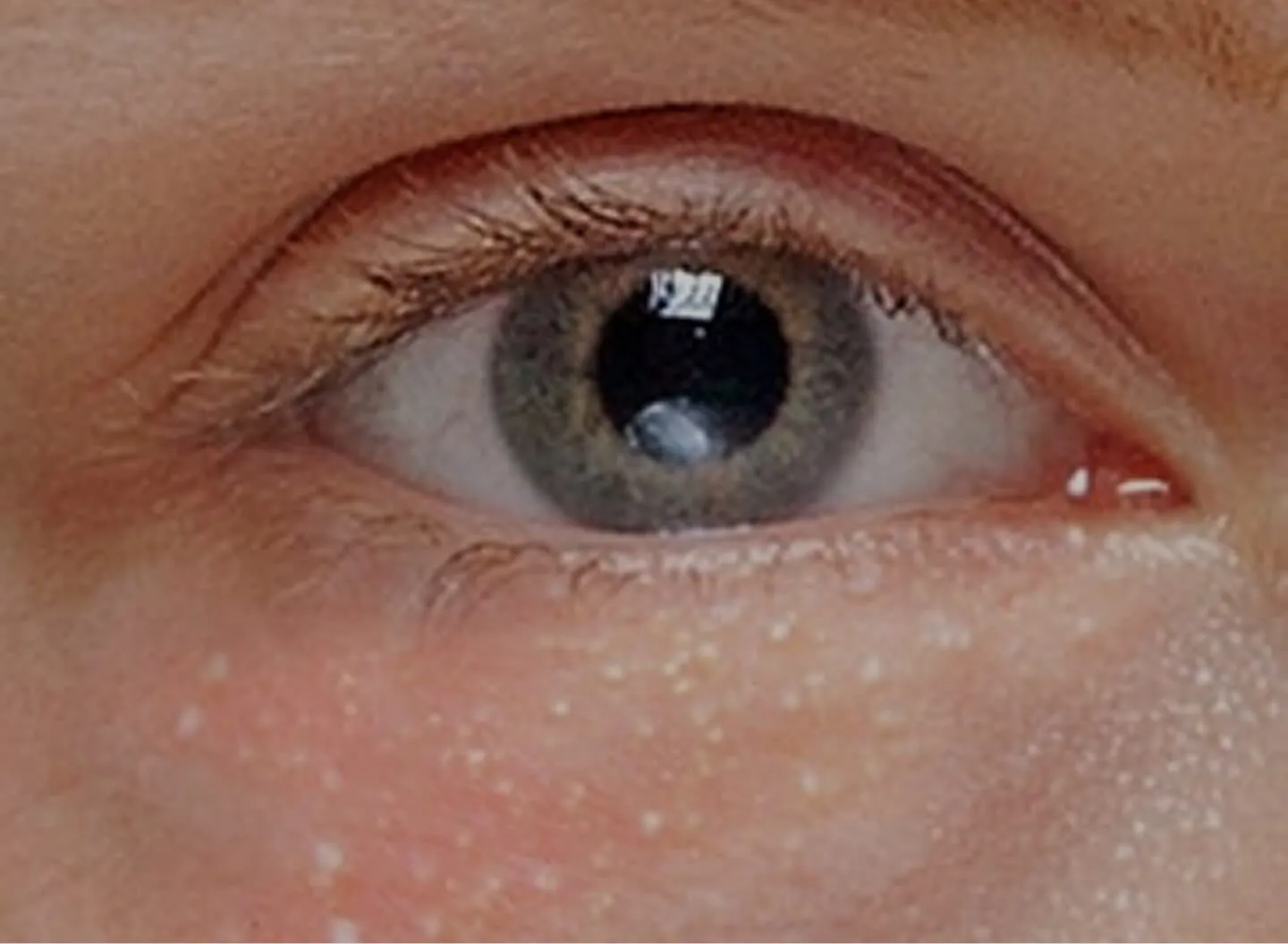
- Ocular rosacea – affecting the eyes, causing irritation and dryness
Each subtype may require a different treatment strategy, which is why accurate diagnosis is essential.
How Patients Experience Rosacea
Patients often describe a combination of symptoms rather than a single issue. These may include redness, flushing, small bumps, and ongoing skin irritation.
Some experience flare-ups that come and go, while for others the redness becomes persistent.
It is also common for patients to feel that their skin makes them look as though they have been drinking alcohol or eating spicy food, even when they have not.
Discomfort is frequently reported, including burning, stinging or irritation when applying skincare.
Based on my experience, many patients delay seeking advice, sometimes for years, until the redness becomes constant.
Rosacea or Acne? A Common Misdiagnosis
Rosacea is often mistaken for acne because it can present with red bumps.
However, there are key differences:
- Rosacea does not typically involve blackheads
- Redness and flushing are more prominent
- Skin is often more sensitive and reactive
Using acne treatments on rosacea-prone skin can worsen irritation and delay appropriate treatment.
Common Rosacea Triggers
Common triggers include heat, stress, alcohol, spicy food, and sudden temperature changes.
Sun exposure is one of the most significant triggers.
Based on my experience, inconsistent or incorrect use of sunscreen is a very common contributing factor to ongoing redness.
Most Common Mistakes Patients Make
Many patients use skincare that is not suited to their skin condition.
However, one of the most significant issues is sun protection.
Common mistakes include:
- Not using sunscreen daily
- Not reapplying sunscreen
- Relying on low-SPF make-up products
These habits can keep the skin in a continuous state of inflammation.
How Rosacea Is Treated
Treatment depends on how rosacea presents and which features are most prominent.
Treatment usually involves a combination of approaches rather than a single solution.
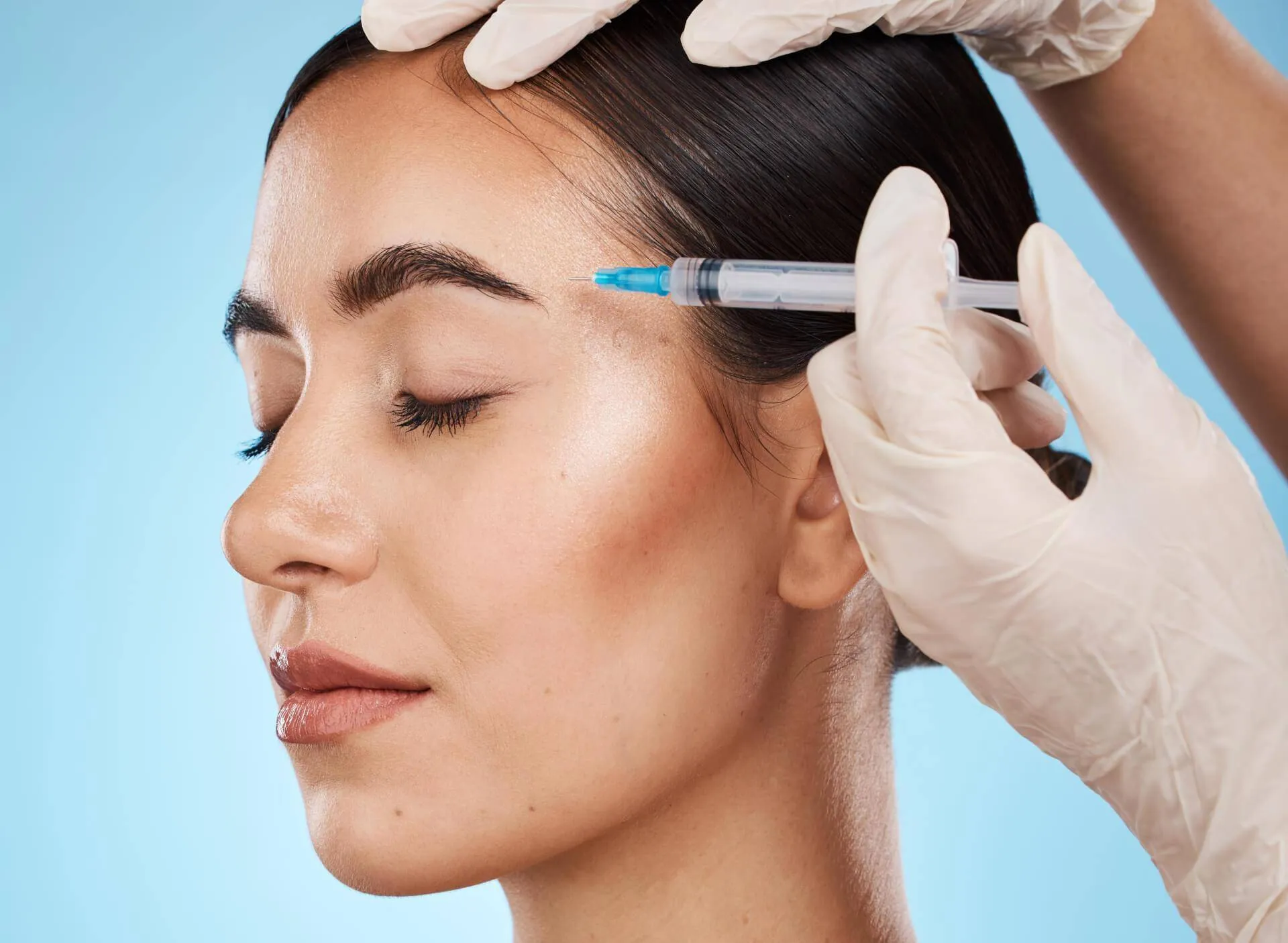
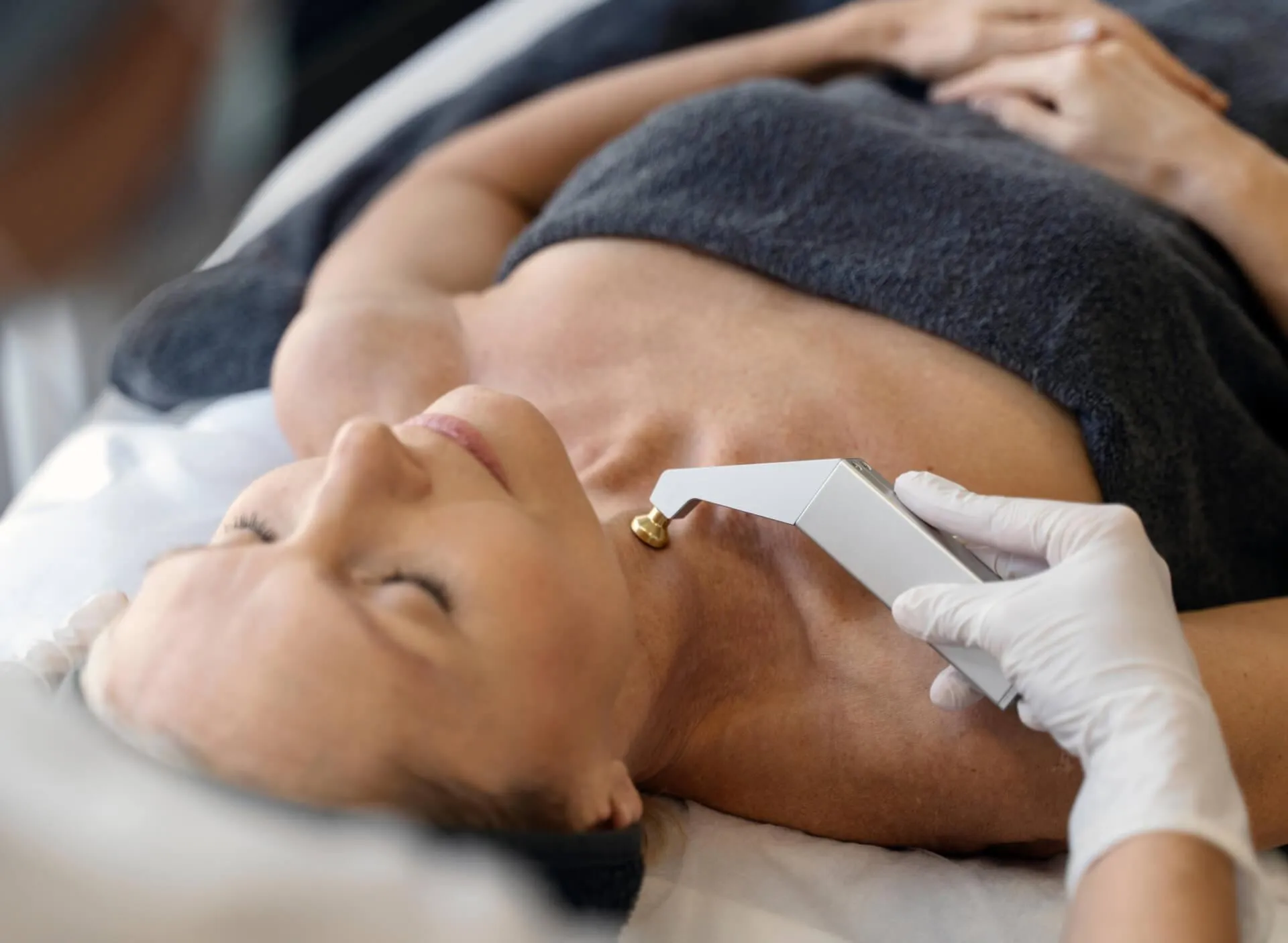
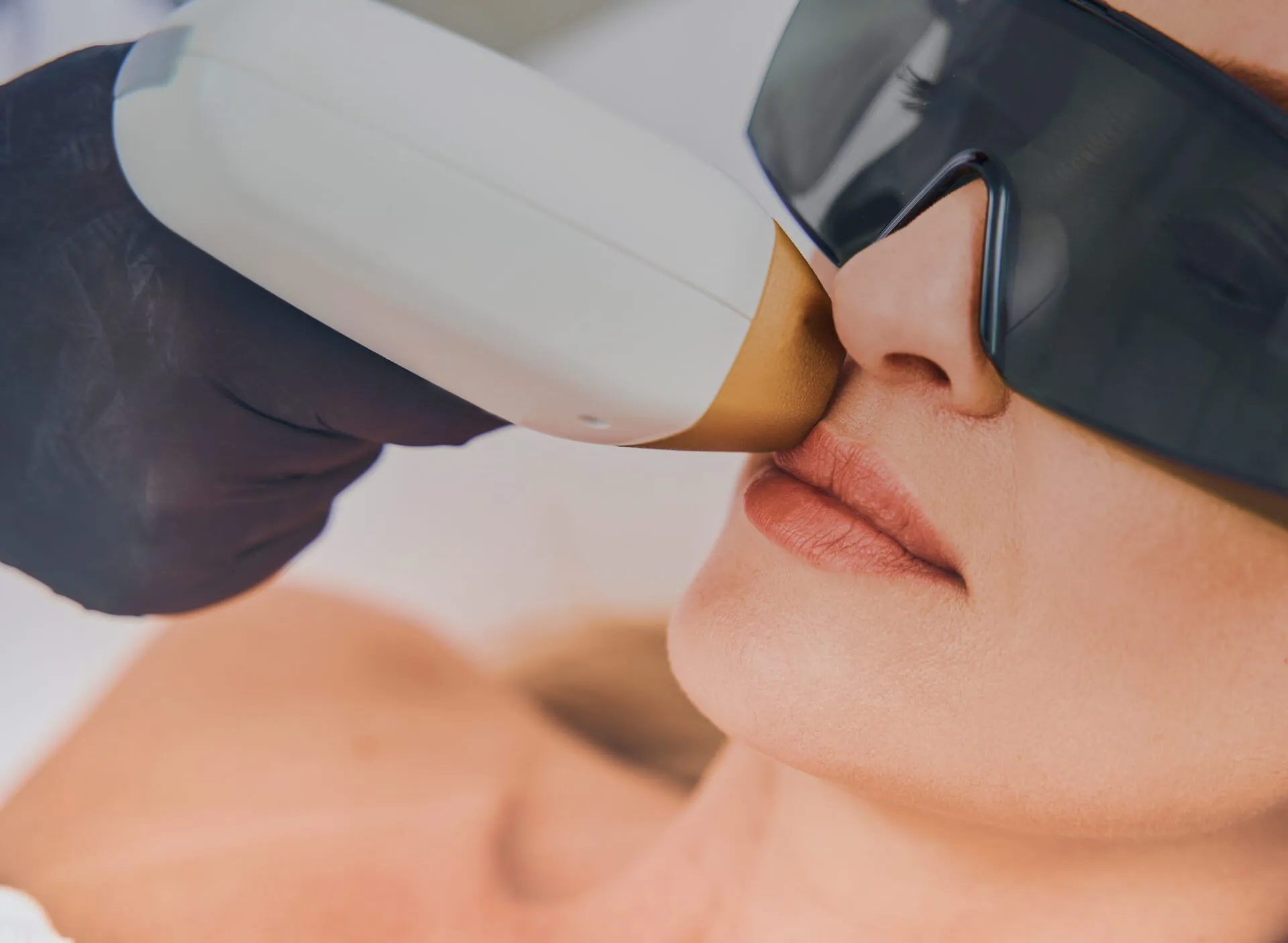
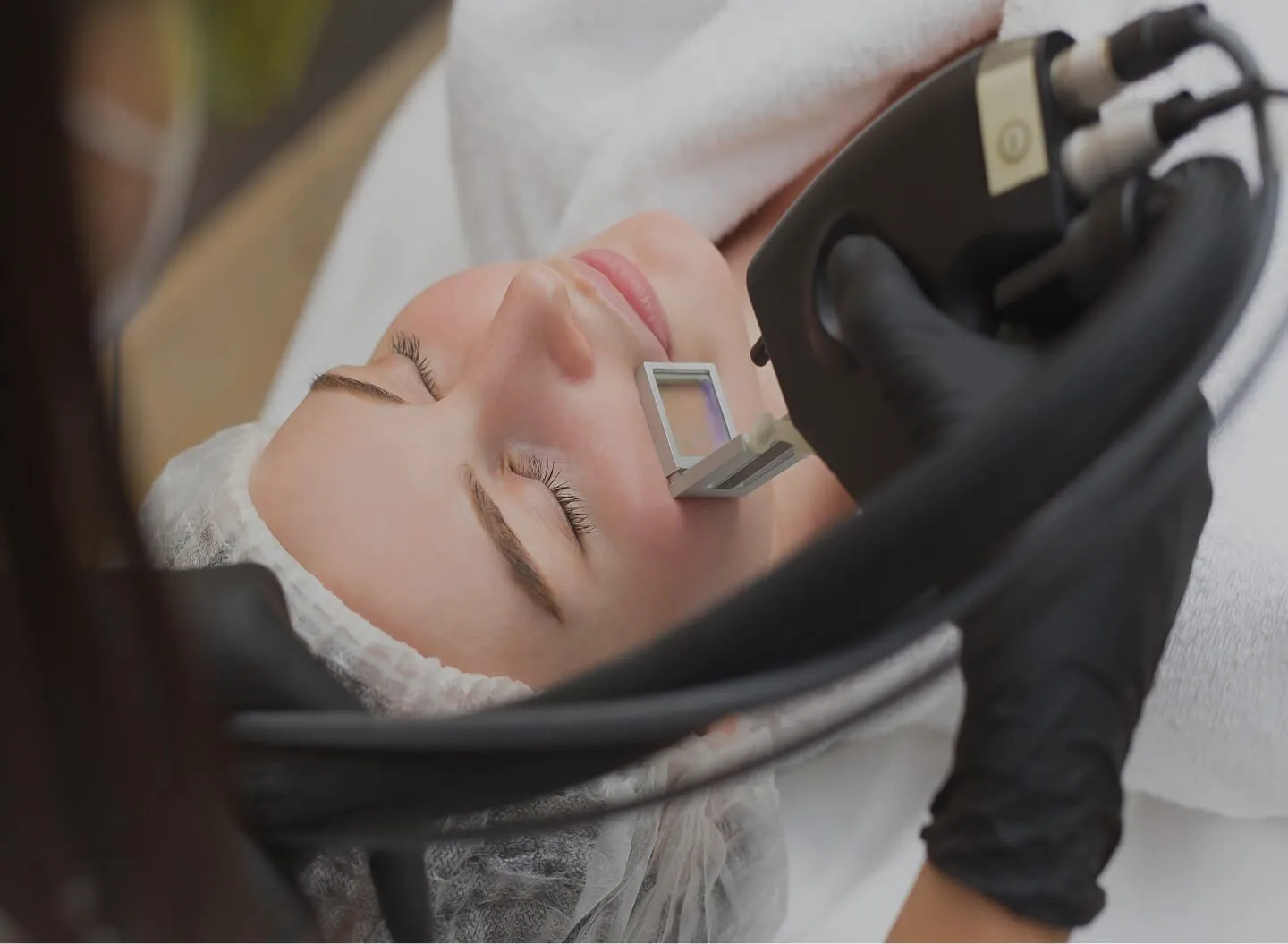
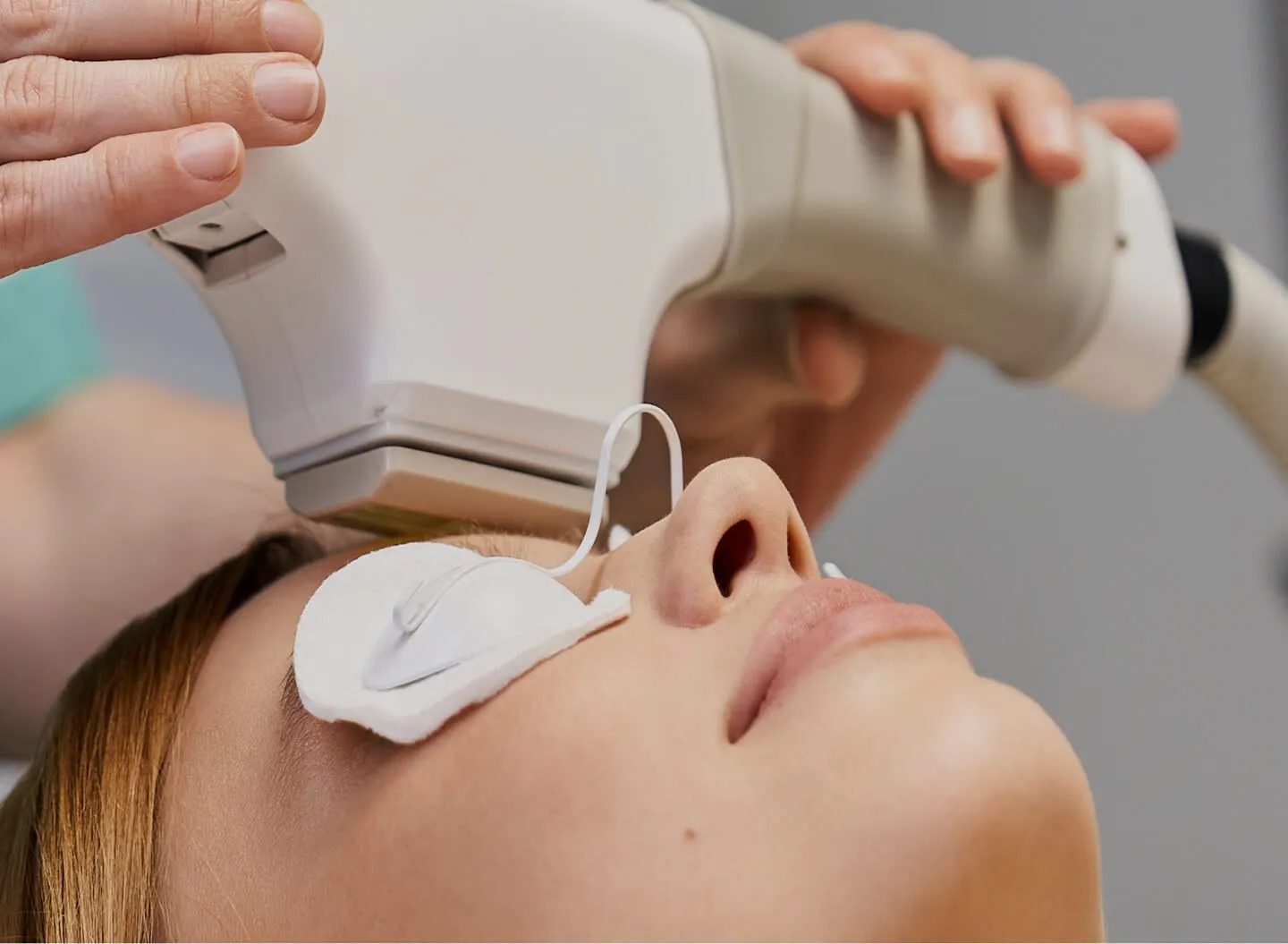
For persistent redness and visible blood vessels, device-based treatments are often used.
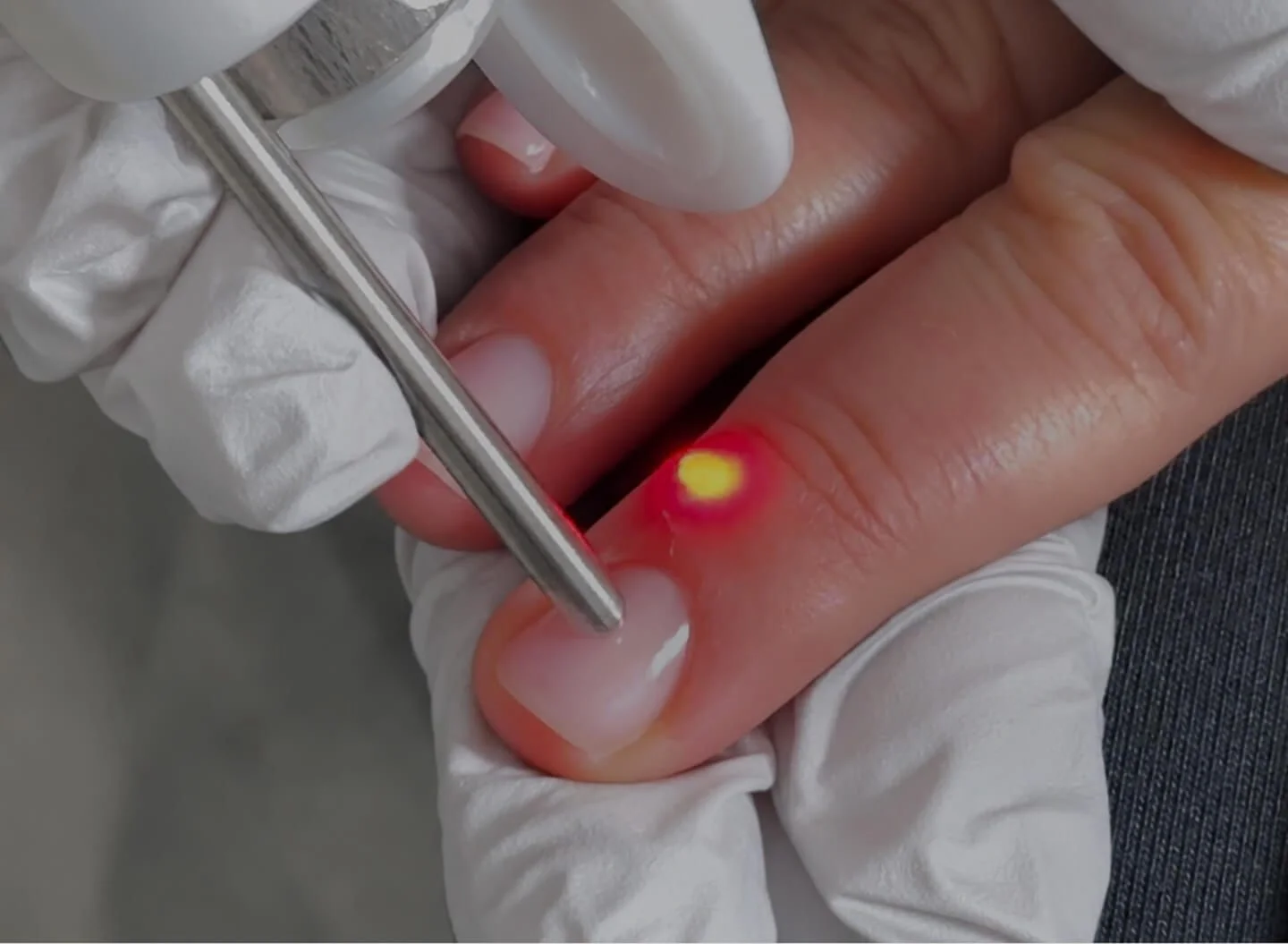
Laser treatments are typically used to target visible capillaries. The energy is absorbed by the blood vessels, which allows them to gradually reduce in appearance over time.
IPL (Intense Pulsed Light) is often used to address more generalised redness across the skin, helping to improve overall skin tone.
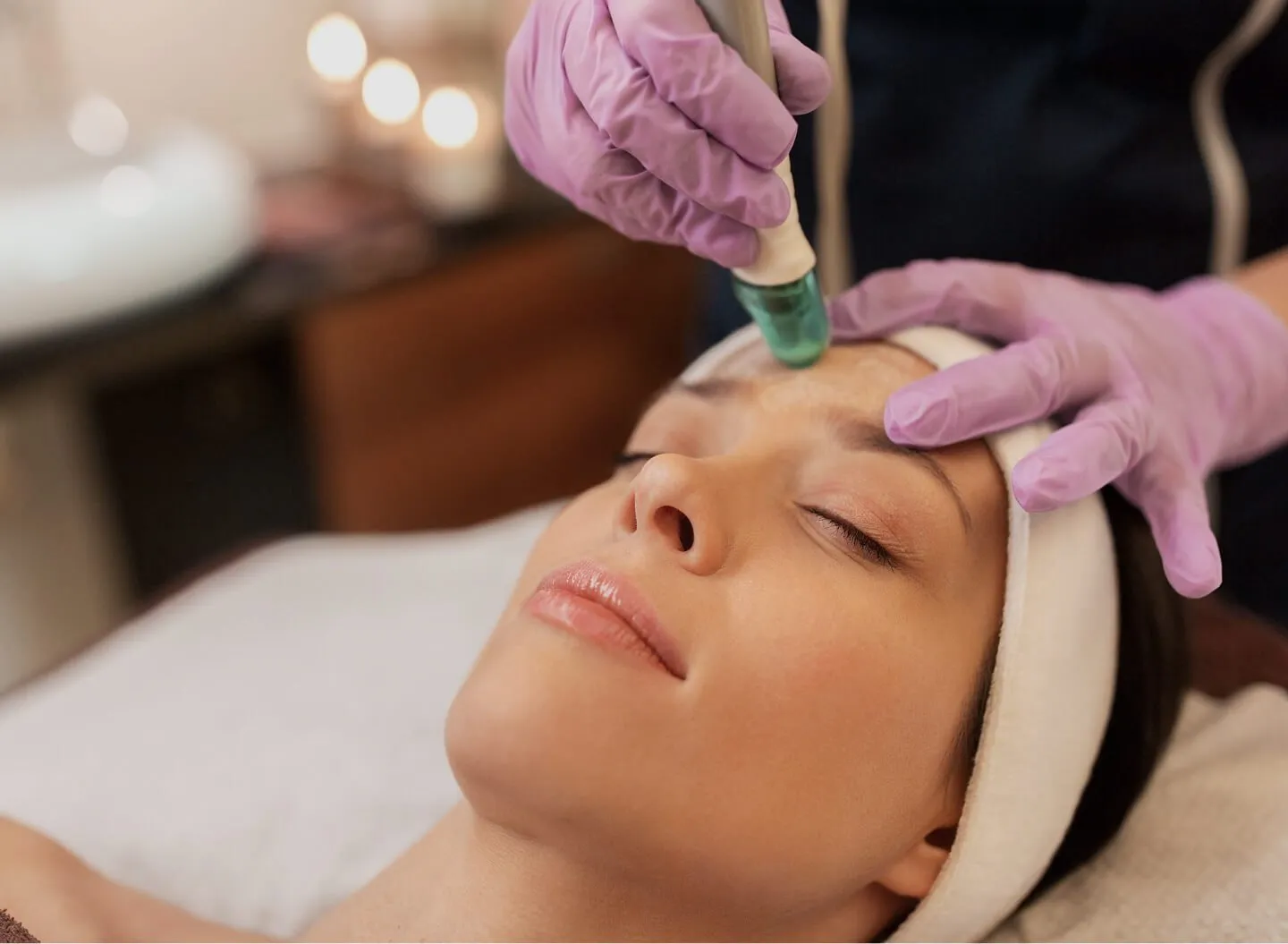
Based on my experience, combining treatments such as laser, IPL and LED light therapy can lead to noticeable improvement in many patients, depending on their skin condition.
Rosacea Treatment in Tunbridge Wells – Why Assessment Matters
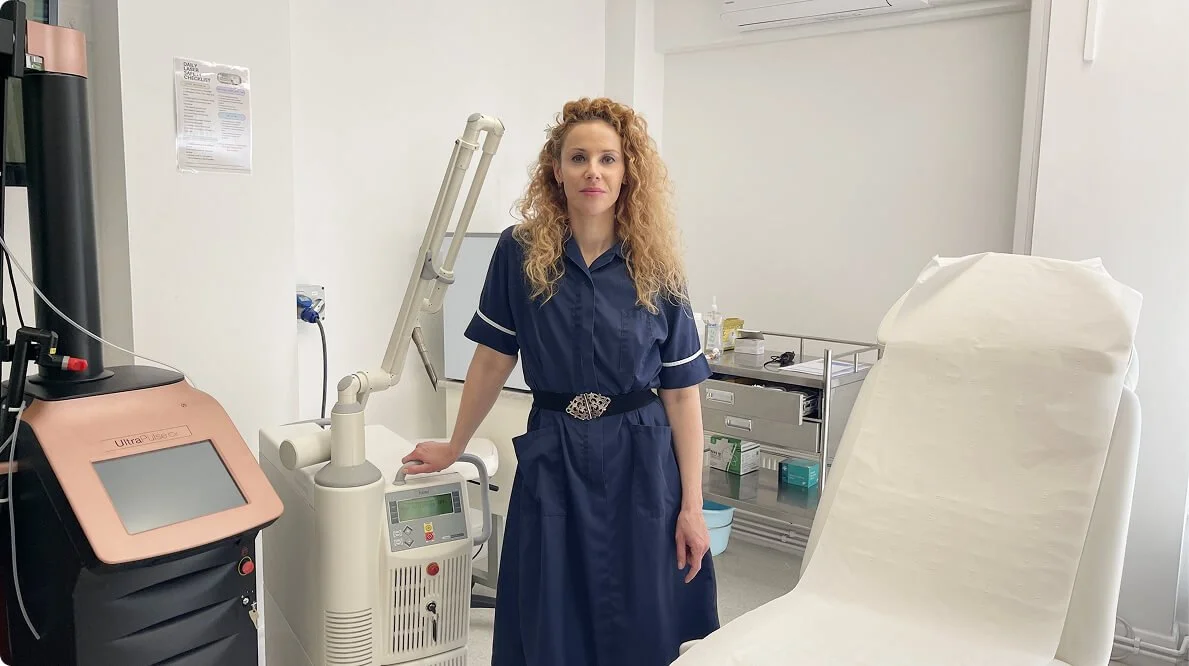
If you are considering treatment for persistent facial redness or rosacea in Tunbridge Wells or the wider Kent area, the first step is always a proper assessment.
In clinical practice, one of the most common issues I see is patients treating the wrong condition. Redness can have different underlying causes, and not all redness is rosacea. Using the wrong products or treatments can often make the skin more sensitive and more reactive over time.
This is why understanding how your skin behaves — rather than assuming the cause — is essential before starting treatment.
What Happens During a Consultation
A consultation is not just about confirming a diagnosis. It is about understanding the full picture of how your skin functions.
This typically includes reviewing your medical history, previous treatments, current skincare routine, and any triggers you may have noticed — such as sun exposure, heat, stress, or certain products.
The skin is then examined carefully, looking at the pattern of redness, the presence of visible blood vessels, and how sensitive or reactive the skin appears.
This allows us to distinguish between rosacea, acne, and other inflammatory conditions, and to build a treatment plan that is appropriate for your skin rather than based on assumptions.
What Patients Can Expect
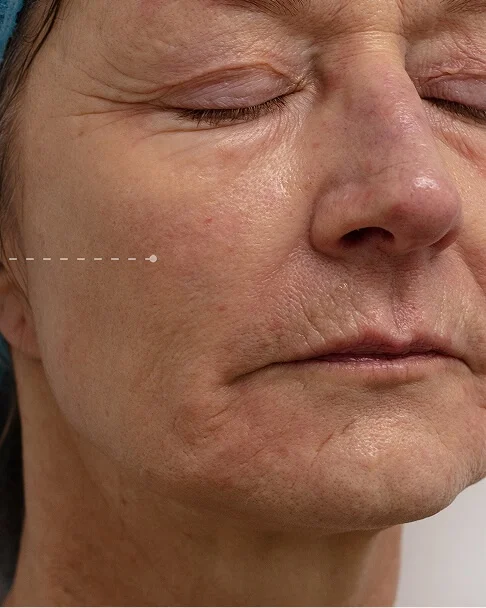
With the right approach, most patients see a gradual improvement in their skin over time.
This often includes a reduction in persistent redness, fewer flare-ups, and improved overall skin comfort. The skin tends to become less reactive and easier to manage on a day-to-day basis.
However, it is important to understand that rosacea is a chronic condition. It does not disappear completely, but with the right combination of treatment and skincare, it can be kept well under control.
When to Seek Advice
Many patients wait longer than they need to before seeking advice, often trying different products or treatments without seeing improvement.
If your redness is becoming more persistent, if you notice visible blood vessels, or if your skin reacts easily to products or environmental changes, it is worth having it assessed.
Early intervention often makes a significant difference, helping to prevent progression and making the condition easier to manage in the long term.
Is rosacea permanent?
Rosacea is a chronic condition, meaning it does not completely go away. However, with the right treatment and skincare approach, it can be effectively managed.
What triggers rosacea flare-ups?
Common triggers include heat, alcohol, spicy food, stress and sun exposure. Triggers can vary between individuals.
Can rosacea be cured?
Rosacea cannot be cured, but it can be controlled with appropriate treatment and lifestyle adjustments.
How do I know if I have rosacea or acne?
Rosacea usually involves redness, flushing and sensitivity without blackheads, whereas acne typically includes blackheads and clogged pores.
What is the best treatment for rosacea?
The best treatment depends on the type of rosacea. Options may include topical treatments, oral medication, laser or IPL, often used in combination.
Final Thoughts
A red face that does not go away is not always simply sensitive skin. In many cases, it is rosacea, and once identified, it can be managed effectively.
Rosacea does not typically improve through trial and error. It requires an accurate diagnosis and a treatment plan that reflects how the skin behaves.
At rtwskin, we assess the skin in detail and create a tailored plan step by step, helping patients move away from guesswork and towards a more structured approach.
If your skin is not improving or the redness is becoming more persistent, booking a consultation is the first step towards understanding what is happening and how it can be managed properly.