 Treatments



























































Polynucleotides vs PRP: What’s better for skin regeneration?
If you’re looking to improve skin quality and address visible signs of ageing, understanding the difference between PRP (Platelet-Rich Plasma) and polynucleotides is important.
There’s no one “best” option because these treatments work in different ways within the skin and are chosen for different goals. However, once you understand how they work, the difference becomes much clearer.
Why Patients Consider PRP or Polynucleotides
In practice, patients are rarely looking for a single “anti-ageing” treatment. More often, they come with specific concerns that have gradually become more noticeable.
Some describe their skin as looking tired, even when they feel well. Others notice early fine lines, loss of firmness, or a change in skin texture that skincare alone does not seem to improve.
The under-eye area is a particularly common concern — especially when the skin starts to look thinner, crepey, or slightly darker.
In some cases, skin sensitivity or inflammation also plays a role, which can influence which treatment is more appropriate.
Both are commonly used in regenerative aesthetics, but they act through different mechanisms and lead to different outcomes.
In recent years, there has been a noticeable shift in how we approach skin ageing. Rather than focusing purely on correction, we are increasingly looking at how to support the skin’s natural repair processes and improve overall skin quality.
Treatments such as PRP, polynucleotides, skin boosters, microneedling, and energy-based devices are often used as part of this approach, depending on the patient’s skin condition and long-term goals.
In this article, I will explain how PRP and polynucleotides differ, when each may be appropriate, and why in many cases a combined approach can provide more balanced and longer-lasting results.
What Is PRP and How Does It Work?
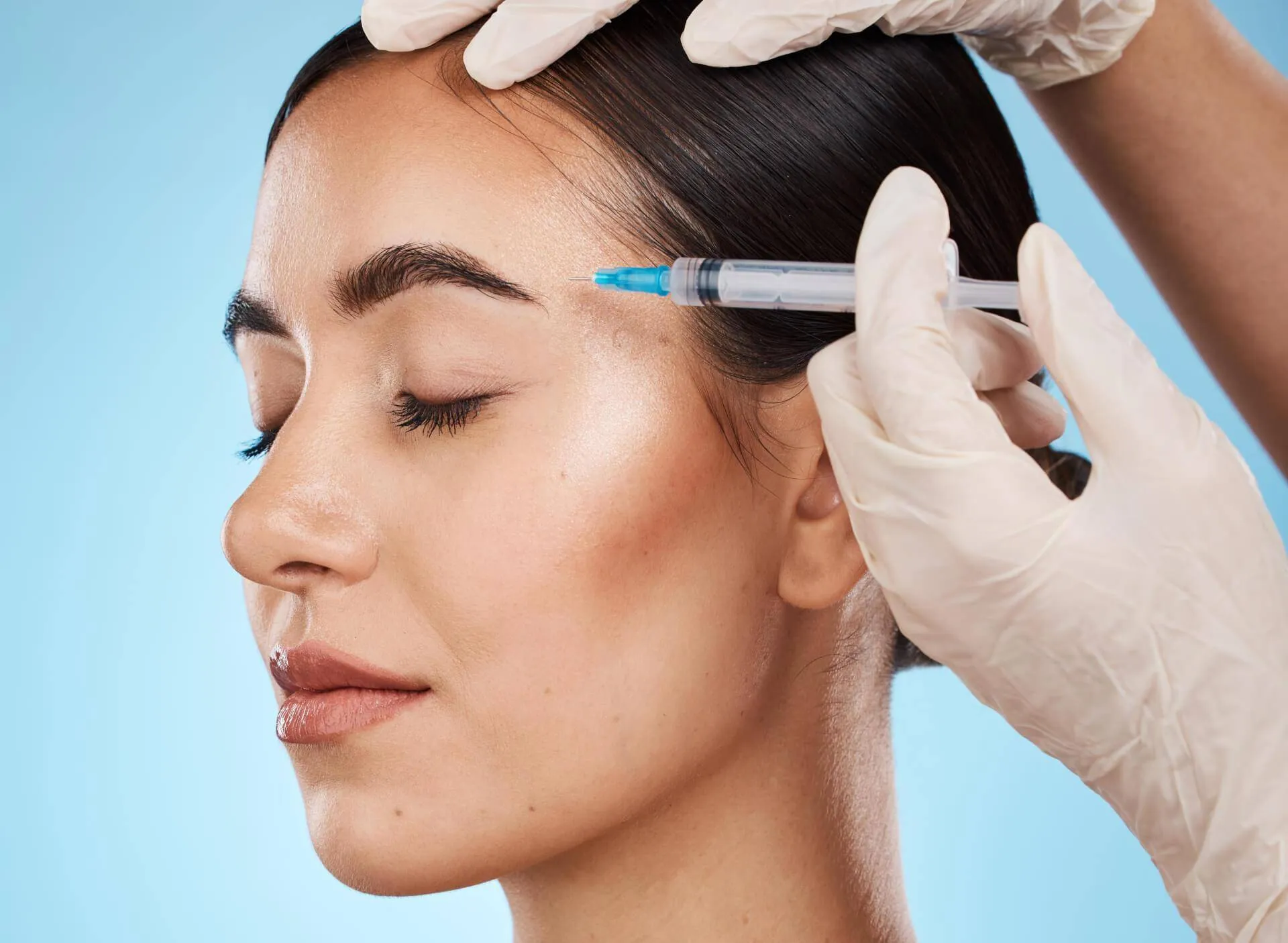
PRP is a regenerative treatment derived from your own blood. After processing, it contains a high concentration of platelets rich in growth factors.
Benefits of PRP
- Stimulates tissue regeneration and cell proliferation
- Boosts collagen and elastin production
- Improves skin texture, tone, and elasticity
- Reduces fine lines, wrinkles, and pigmentation
- Enhances hydration and overall skin quality
- Effective for atrophic scars, acne scars, stretch marks, and hair restoration
How PRP Is Often Used in Practice
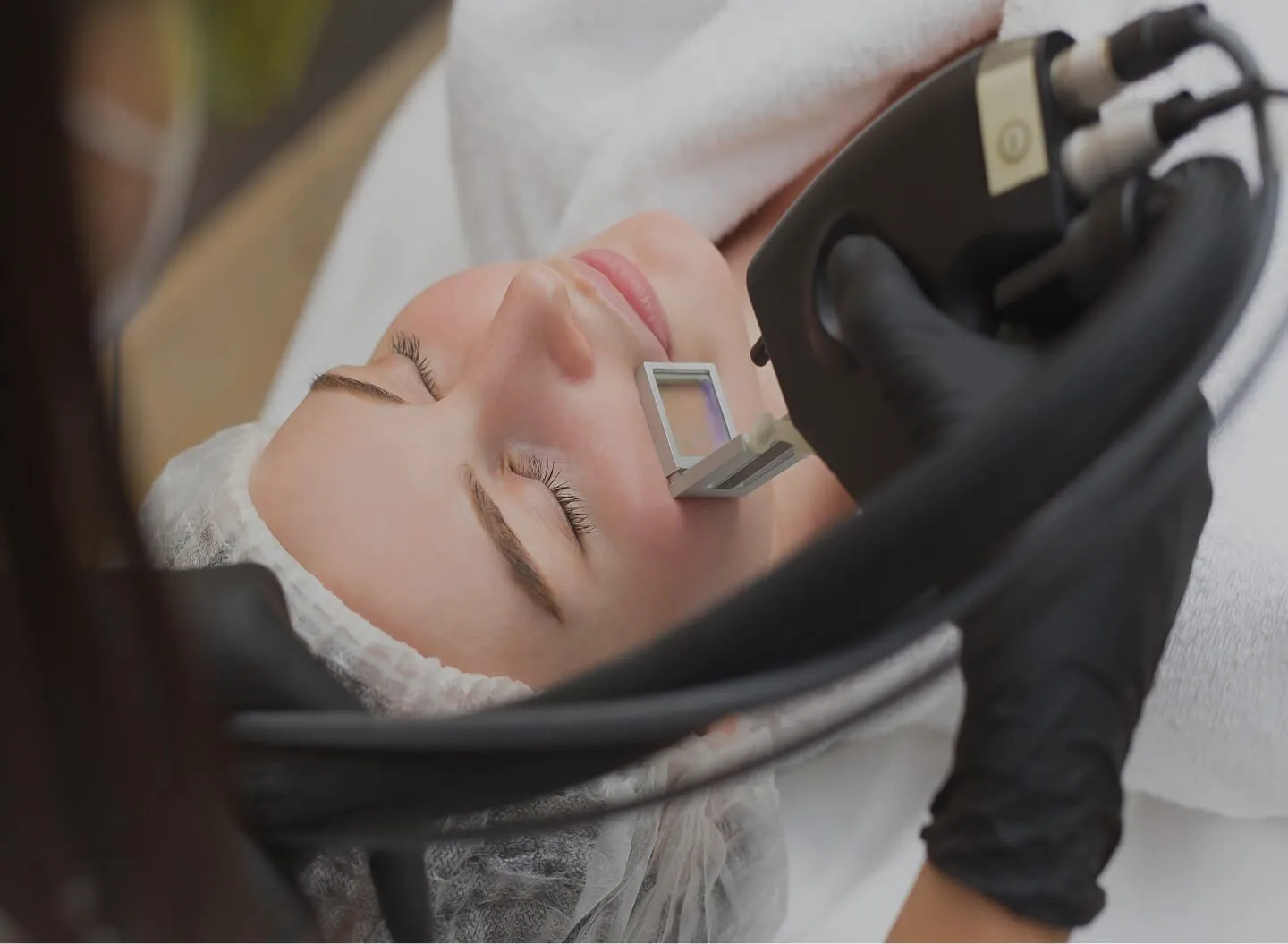
PRP is often combined with microneedling or fractional laser resurfacing to increase treatment penetration, significantly amplifying collagen stimulation and skin rejuvenation.
What Are Polynucleotides and How Do They Work?
Polynucleotides are purified DNA fragments designed to repair and rejuvenate the skin at a cellular level.
Benefits of Polynucleotides
- Stimulates fibroblasts to produce collagen
- Improves hydration, elasticity, and skin barrier function
- Reduces inflammation and sensitivity
- Supports gradual tissue repair
- Polynucleotides are particularly effective for under-eye rejuvenation, delicate or sensitive skin, and areas affected by inflammation, such as post-laser or rosacea-prone skin.
Unlike PRP, polynucleotides do not immediately remove wrinkles. Instead, they enhance the skin’s natural repair mechanisms, resulting in progressive improvements over time.
PRF: The Next Evolution of PRP
PRF (Platelet-Rich Fibrin) is similar to PRP but processed differently, forming a fibrin matrix that allows for:
- Slower, sustained release of growth factors
- Longer-lasting regenerative stimulation
- Gradual improvement in skin structure and elasticity
Comparison:
Feature |
PRP |
Polynucleotides |
|---|---|---|
Mechanism |
Stimulates skin with growth factors |
Repairs and strengthens skin at a cellular level |
Speed |
Quick visible effect |
Gradual improvement |
Main Benefits |
Improves lines, pigmentation, laxity |
Improves skin quality, hydration, and elasticity |
Ideal For |
Skin rejuvenation, scars, hair restoration |
Skin repair, sensitive areas, under-eyes, neck |
Combination |
Works synergistically with microneedling/laser |
Best combined with PRP for maximum effect |
In simple terms, PRP is more focused on stimulation, while polynucleotides are more focused on repair.
PRP delivers growth factors that activate regeneration processes within the skin, which is why it is often chosen when the goal is to improve overall skin vitality or support collagen production.
Polynucleotides, on the other hand, work by improving the skin environment itself — supporting repair, reducing inflammation, and helping the skin become more stable and resilient over time.
- PRP provides faster stimulation of regeneration
- PRF offers a slower, more sustained release of growth factors
- Polynucleotides focus on long-term repair and overall skin quality
How I Choose Between PRP and Polynucleotides in Practice
“Patient selection is crucial. Polynucleotides are particularly effective for improving skin quality and hydration, especially in delicate areas such as the under-eyes, neck, or face. However, they work through repair, so changes tend to be gradual rather than immediate.
PRP, on the other hand, actively stimulates tissue regeneration, collagen production, and overall skin renewal. It can help improve skin tone, soften fine lines, and support areas such as scars or hair thinning.
In many cases, combining PRP and polynucleotides over a course of treatments allows us to support both regeneration and repair, leading to more balanced and longer-lasting results.”
In clinical practice, I rarely think in terms of which treatment is “better”. The decision depends on how the skin presents and what it actually needs at that stage.
For example, if I see a patient with delicate under-eye skin that looks thin, slightly crepey, or reactive, I am more likely to start with polynucleotides. In this situation, the priority is to improve skin quality and reduce sensitivity before trying to stimulate collagen.
If a patient presents with generally dull or ageing skin, reduced elasticity, or early loss of firmness, PRP can be a very good option. In these cases, the aim is to stimulate regeneration and improve overall skin vitality.
In many cases, the most effective approach is not choosing one over the other, but combining them in a structured way. This allows us to support both repair and regeneration, which often leads to more balanced and longer-lasting results.
What Results Can You Expect?
PRP
With PRP, patients typically notice improvements related to overall skin vitality and regeneration. This may include:
- Smoother skin texture
- Reduced fine lines and wrinkles
- Improved pigmentation and skin tone
- Increased elasticity and hydration
- Better hair growth in suitable patients
- Enhanced results when combined with microneedling or laser therapy
Polynucleotides
With polynucleotides, results tend to develop more gradually, focusing on improving skin quality and resilience over time. Patients may notice:
- Gradual improvement in skin quality and firmness
- Enhanced hydration and natural glow
- Reduced inflammation and sensitivity
- Noticeable rejuvenation in delicate areas (under-eyes, neck, face)
PRP + Polynucleotides Combination
When combined, these treatments can address both regeneration and repair, leading to more balanced and progressive improvements. This may include:
- Maximum collagen stimulation and repair
- Progressive improvement in skin quality over time
- Improved elasticity, texture, and hydration
- Safe treatment with minimal downtime
- Results visible over 3–6 months after 3–4 sessions
Who Should Consider These Treatments?
These treatments are often considered by patients who are looking to improve skin quality in a natural and progressive way. This may include:
- Patients seeking anti-ageing and rejuvenation
- Patients who want natural-looking results using treatments with a strong safety record and natural components
- Those with fine lines, pigmentation, or early skin laxity
- Individuals looking to improve skin texture, elasticity, and hydration
- Patients wanting under-eye or facial rejuvenation with minimal downtime
Are These Treatments Always the Right Choice?
Not necessarily.
While both PRP and polynucleotides can be very effective in appropriate cases, they are not a replacement for all types of aesthetic treatment.
For example, where there is more advanced volume loss or deeper structural ageing, other treatments may be more suitable.
This is why a personalised assessment is essential — to ensure that the chosen treatment matches the underlying concern rather than following trends.
In practice, the best results come from choosing the right approach for your skin at the right time, rather than trying to find a single “best” treatment. If you are considering PRP or polynucleotides, a consultation allows us to assess your skin properly and recommend a plan that is tailored to you.