






















































Pigmentation treatment options
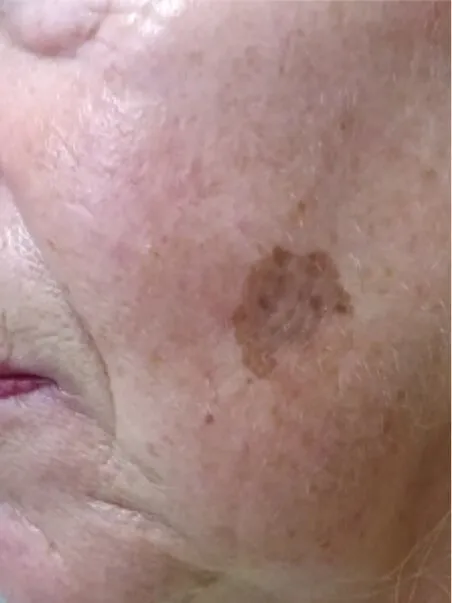
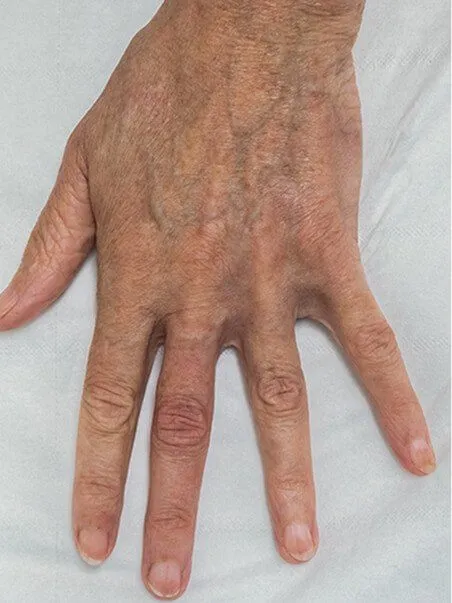
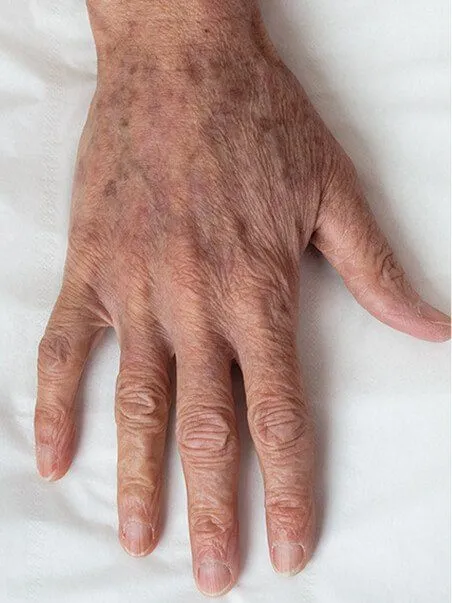
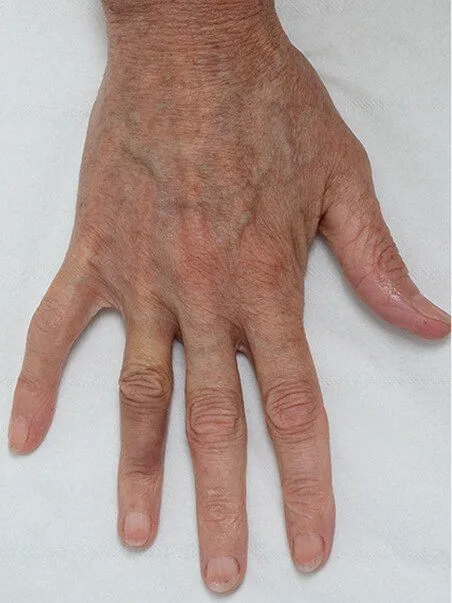
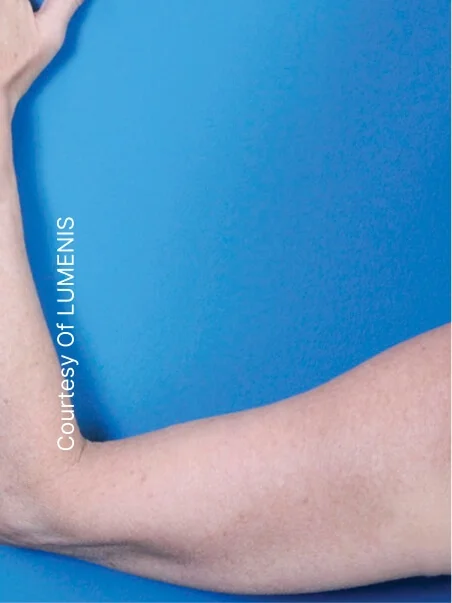
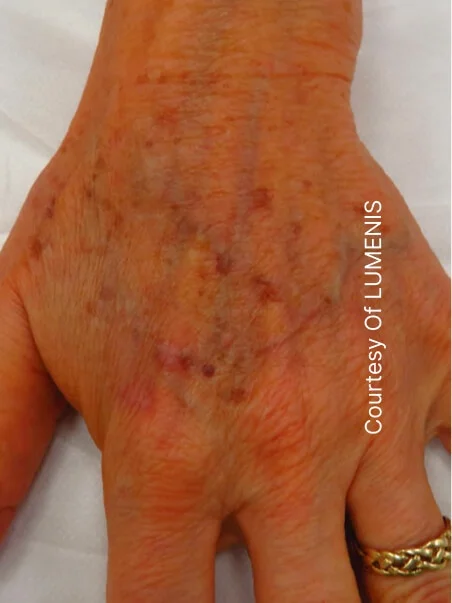
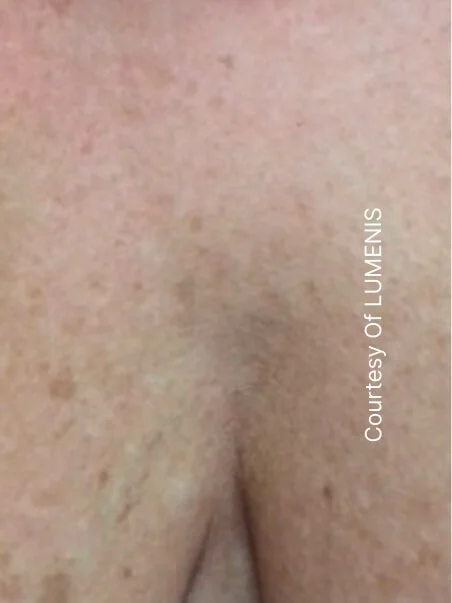
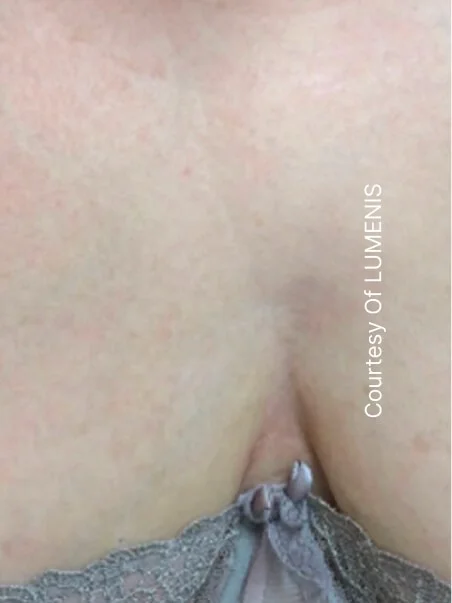
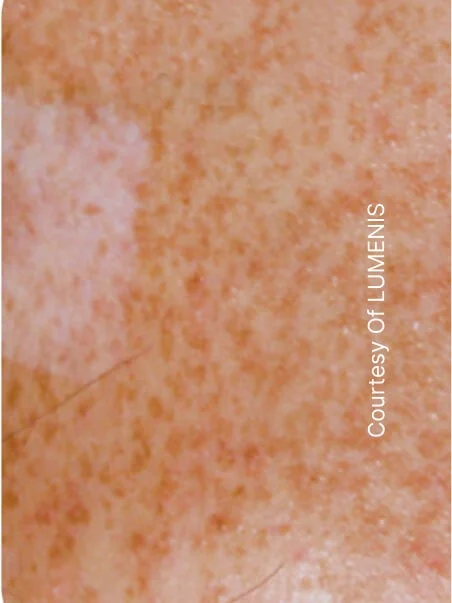
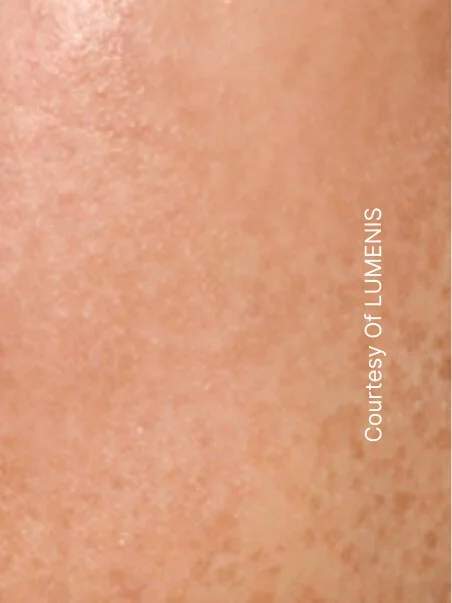
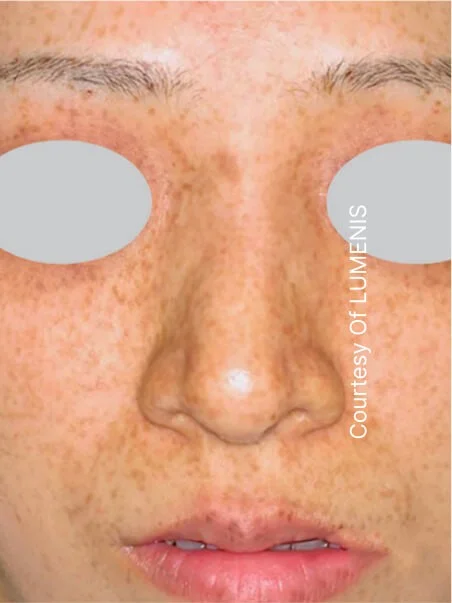
The best pigmentation treatment depends on the cause and your skin type. A distinct benign sun spot may respond to a targeted laser, while widespread sun spots in lighter skin may suit IPL. Melasma and marks after inflammation often need topical care first. The comparison below explains what each option may help with and the recovery to consider.
Option |
When it may help and its limits |
Recovery to plan for |
|---|---|---|
Q-switched laser |
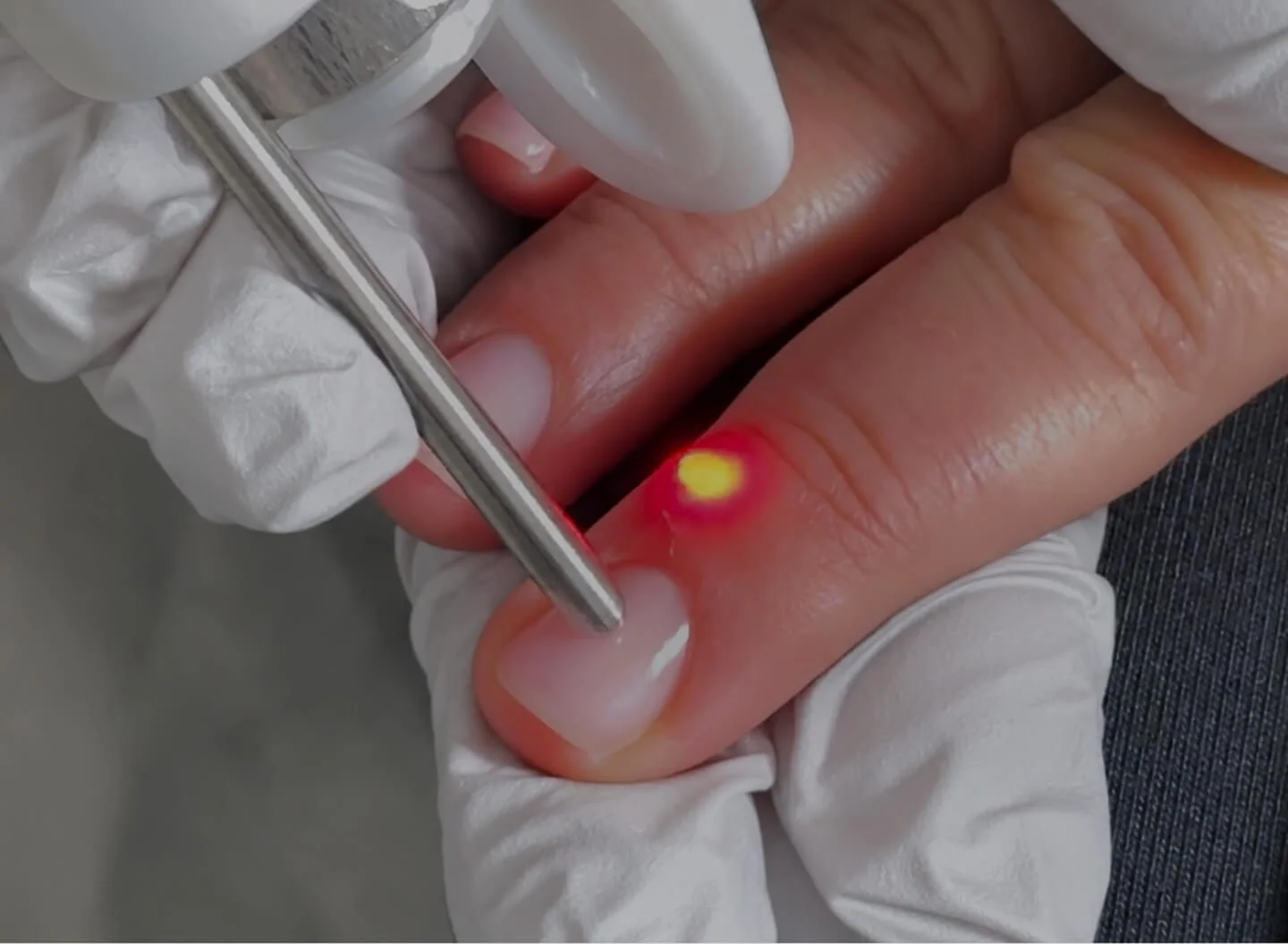
Targets melanin in selected benign spots at different depths. At rtwskin, we use it for suitable lighter skin. Diagnosis and settings matter; it is not a universal melasma treatment. |
Temporary whitening can be followed by redness and a brown crust. Facial crusts often shed in five to seven days; healing can take longer. On the body, allow around two weeks or longer. |
Alexandrite 755 nm laser |
An option for selected benign pigmented spots in lighter skin, generally Fitzpatrick phototypes I–III. It is not a universal treatment for melasma. |
Redness or swelling can occur. Treated pigment may darken or develop a light crust before fading. Recovery depends on the area and settings. |
IPL (intense pulsed light) |
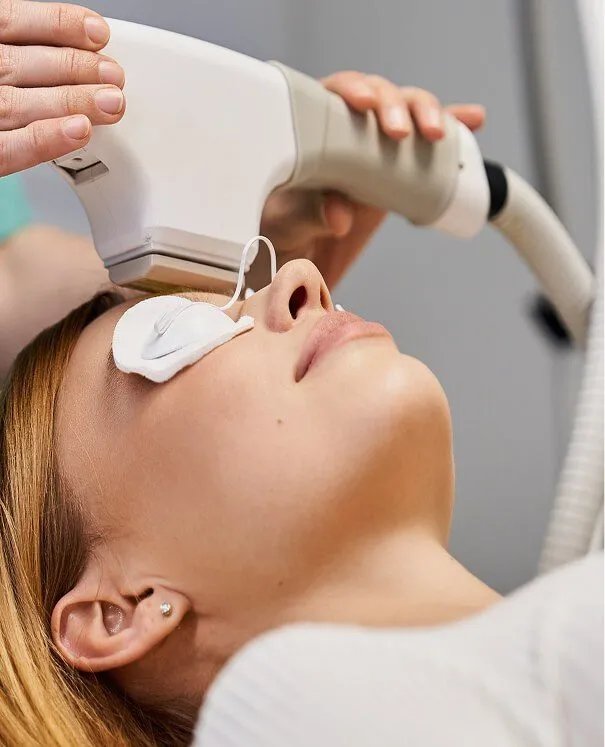
Uses broad-spectrum light rather than a laser beam. We often choose IPL for widespread superficial sun spots in lighter skin. It may also improve associated redness; skin tone and recent tanning affect suitability. |
Temporary warmth and redness can occur. Darkened spots usually flake over about 5–7 days on the face; on the chest or décolletage this may take 10 days to two weeks. |
Fractional CO2 (carbon dioxide) resurfacing |
Resurfaces small zones of skin when sun damage occurs with rough texture and fine lines, generally in lighter skin. It is not a routine melasma treatment: heat can provoke inflammation and further pigmentation. |
A visible healing period with redness, peeling or crusting. Recovery increases with treatment depth. |
Chemical peels |
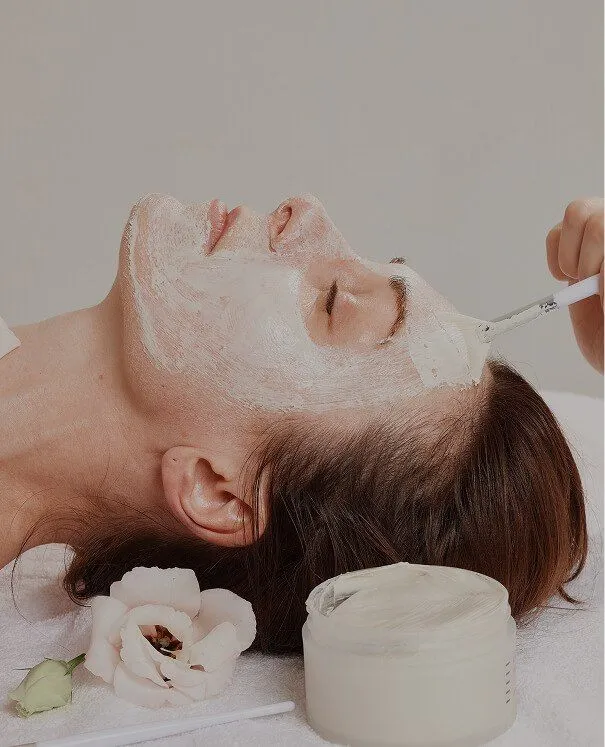
Remove surface skin cells to improve selected superficial pigmentation. Options include BioRePeel and VI Precision Plus; peel choice and strength matter. |
Stinging, redness, dryness or peeling depend on the peel used. Stronger treatment needs more recovery. |
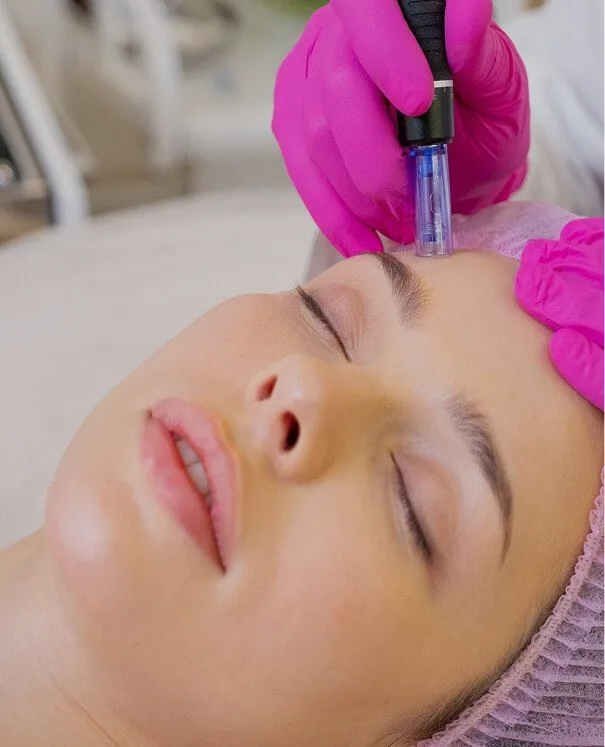
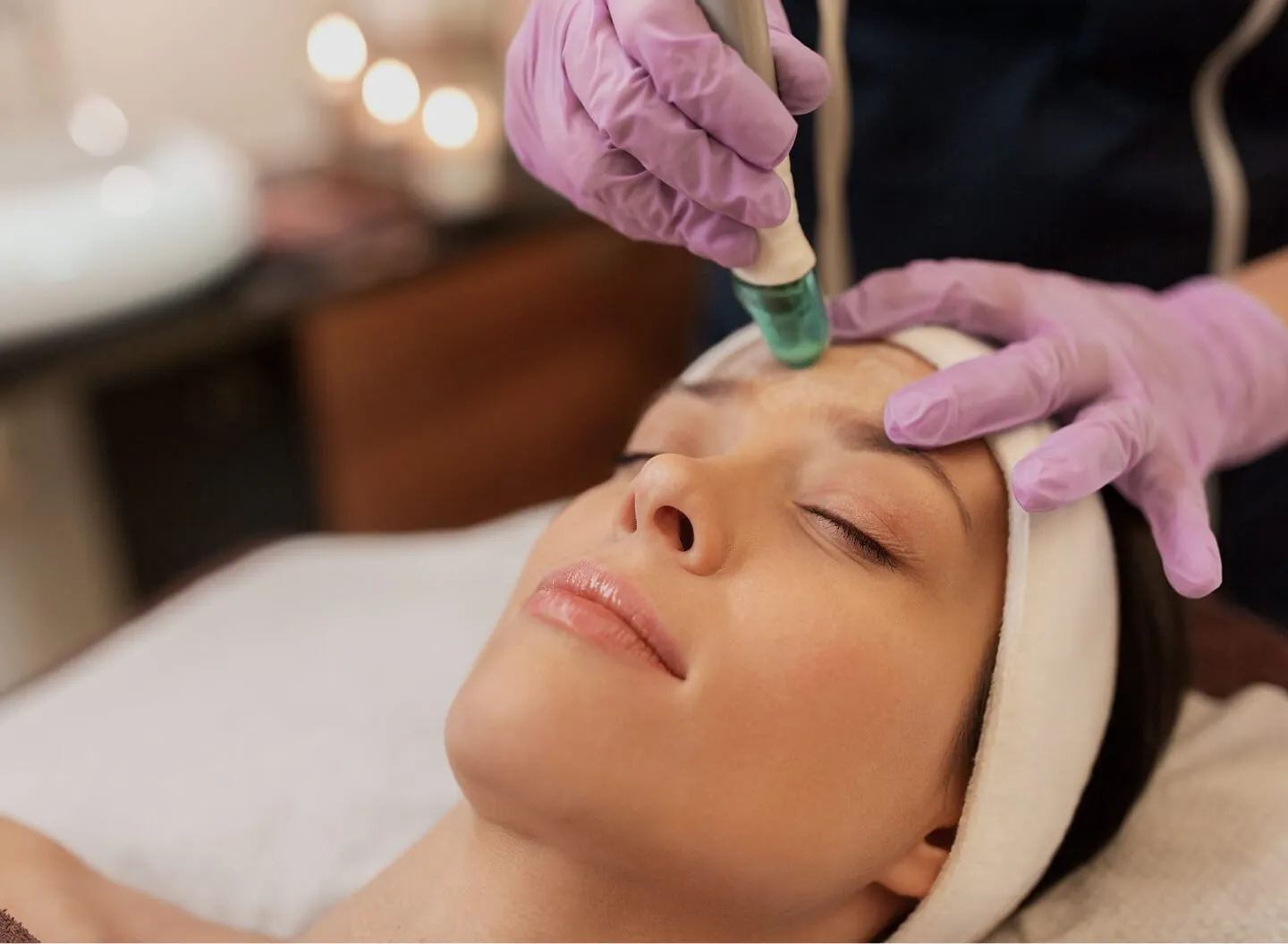
Dermapen and RF microneedling |
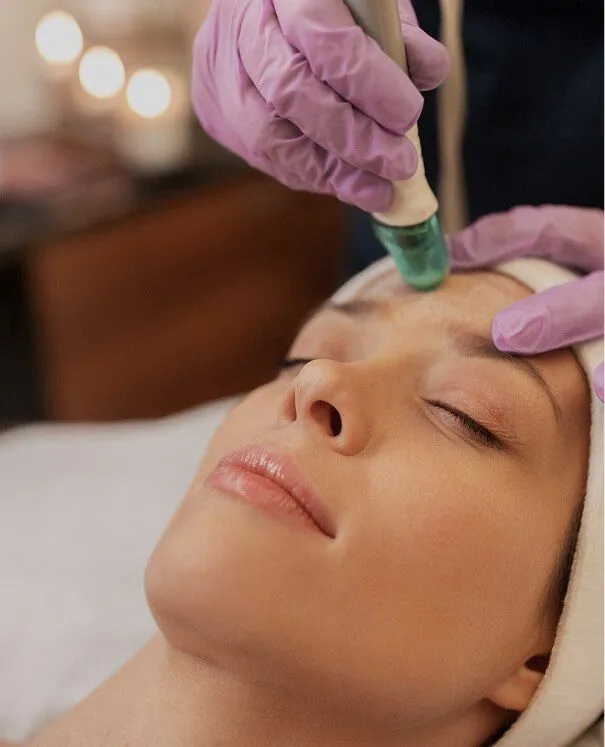
May help post-acne pigmentation when indented scars are also present, after active inflammation is controlled. RF adds radiofrequency energy; the device and settings must suit your skin. |
Redness, tenderness, swelling or pinpoint bleeding may occur. Healing depends on depth and intensity. |
Topical skincare (creams and serums) |
Often the starting point for melasma or marks after inflammation. Products may reduce excess pigment, support skin renewal or help restore the skin barrier. Prescription treatment requires supervision. |
No procedural wound, but irritation or dryness can occur. The routine may need adjusting. |