 Treatments


























































PQAge Evolution Peel: Dr Nina Sheffield Explains This Regenerative Skin Treatment
In my aesthetic practice at rtwskin in Tunbridge Wells, I am always looking for treatments that improve skin quality in a meaningful way — not just treatments that polish the surface temporarily.
Patients are increasingly asking for the same things: healthier-looking skin, more glow, improved firmness, better texture, less visible pigmentation and minimal disruption to their everyday lives. Many people want results, but they do not necessarily want aggressive peeling, prolonged redness, injections or significant downtime.
This is one of the reasons I introduced PQAge Evolution Peel into clinical practice at rtwskin.
It is a regenerative, low-downtime skin treatment designed to support skin quality, radiance and firmness while keeping the outer skin barrier as comfortable as possible. For suitable patients, it offers a modern alternative to more traditional peels, particularly when the aim is not heavy visible shedding but progressive skin rejuvenation.
What is PQAge Evolution Peel?
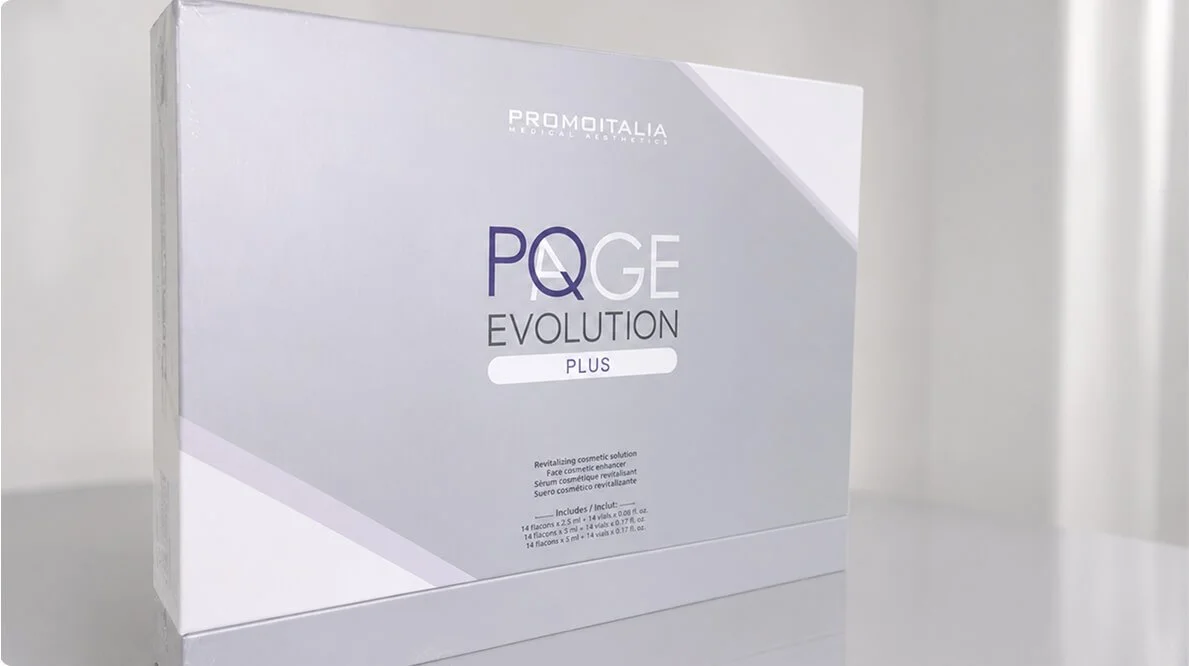
PQAge Evolution Peel is an advanced bio-revitalising peel designed to combine controlled skin resurfacing with regenerative skin stimulation.
Unlike traditional chemical peels, which often focus mainly on exfoliation and visible peeling, PQAge Evolution Peel is designed to work more deeply on skin quality. Its aim is to is designed to support the skin’s natural renewal processes, including pathways linked with collagen quality, elasticity and overall skin vitality, while causing minimal visible disruption to the skin surface.
In simple terms, it is not a peel where the goal is for the skin to visibly shed. The goal is to help the skin look brighter, smoother, firmer and more refreshed through a regenerative, low-downtime approach.
At rtwskin, I use it for patients who want a fresher and more radiant complexion, but who may not be ready for more invasive procedures or treatments with longer recovery time.
Why I introduced PQAge Evolution Peel at rtwskin
I introduced PQAge Evolution Peel because I was looking for a treatment that could support several important skin concerns at once:
- dull or tired-looking skin;
- fine lines and early signs of ageing;
- mild skin laxity;
- pigmentation and uneven tone;
- loss of radiance;
- reduced skin firmness;
- rough or uneven texture.
Many patients who come to clinic want visible improvement, but they also need treatments that fit around work, family, travel and social commitments. They often ask whether there is something that can improve skin quality without the downtime associated with traditional medium-depth peels or more intensive resurfacing treatments.
PQAge Evolution Peel stood out because of its regenerative focus. When I compared it with other treatments, including PRX-T33, I was particularly interested in its biostimulating properties, growth factor technology and minimal disruption to the skin barrier.
A short answer: who is this treatment for?
PQAge Evolution Peel may be suitable for patients who want a brighter, smoother and firmer-looking complexion without aggressive peeling or injectable treatment.
It is often considered for people with early signs of ageing, pigmentation, dullness, fine lines, uneven skin tone or mild skin laxity. It may also be useful for busy patients who want a refreshed appearance but cannot take time away from normal activities.
As with any clinical skin treatment, suitability must be assessed individually. The condition of the skin barrier, pigmentation type, sensitivity, current skincare routine and medical history all matter.
How does PQAge Evolution Peel work?
PQAge Evolution Peel works by combining controlled resurfacing with dermal stimulation and bio-revitalising ingredients.
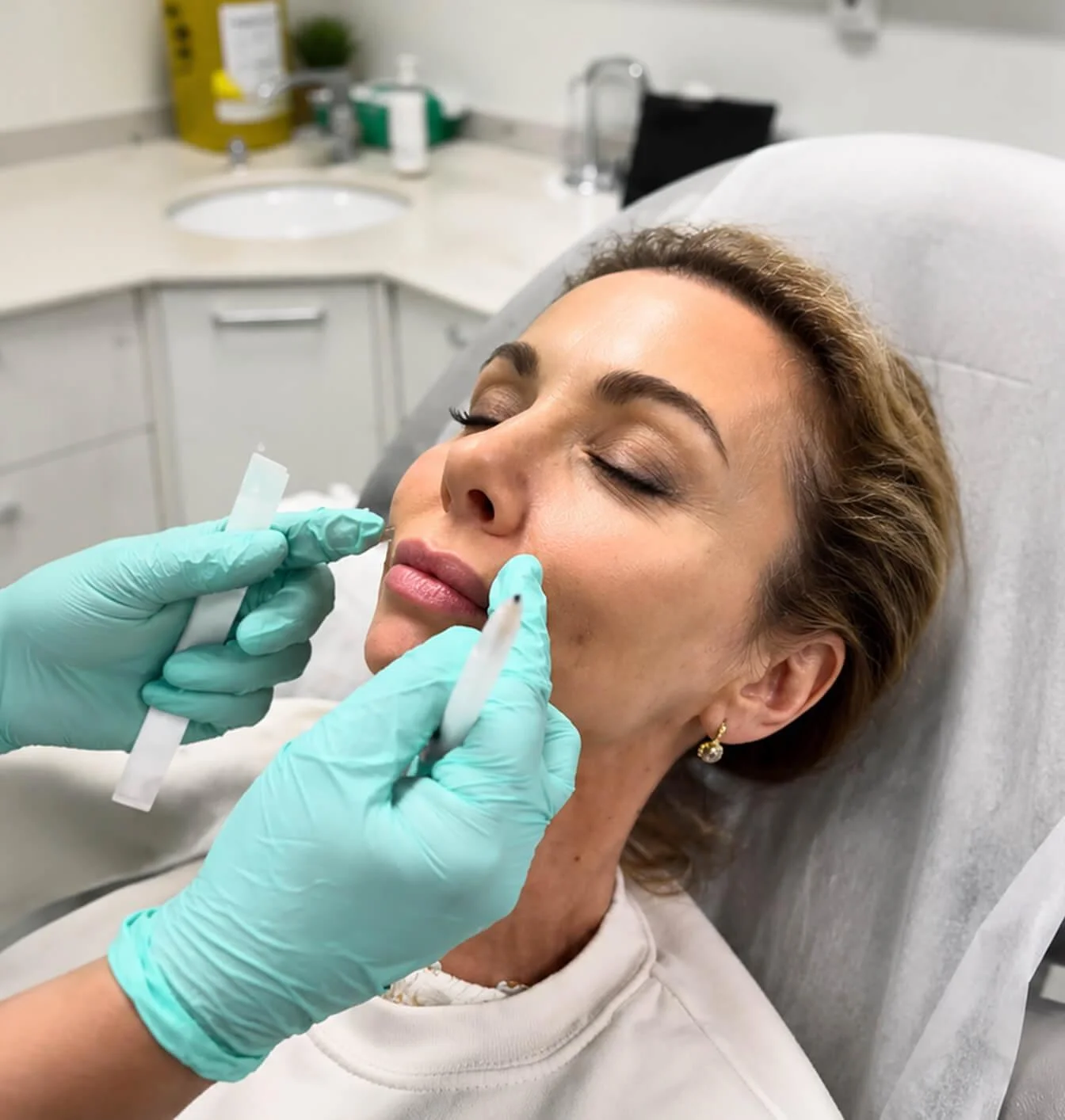
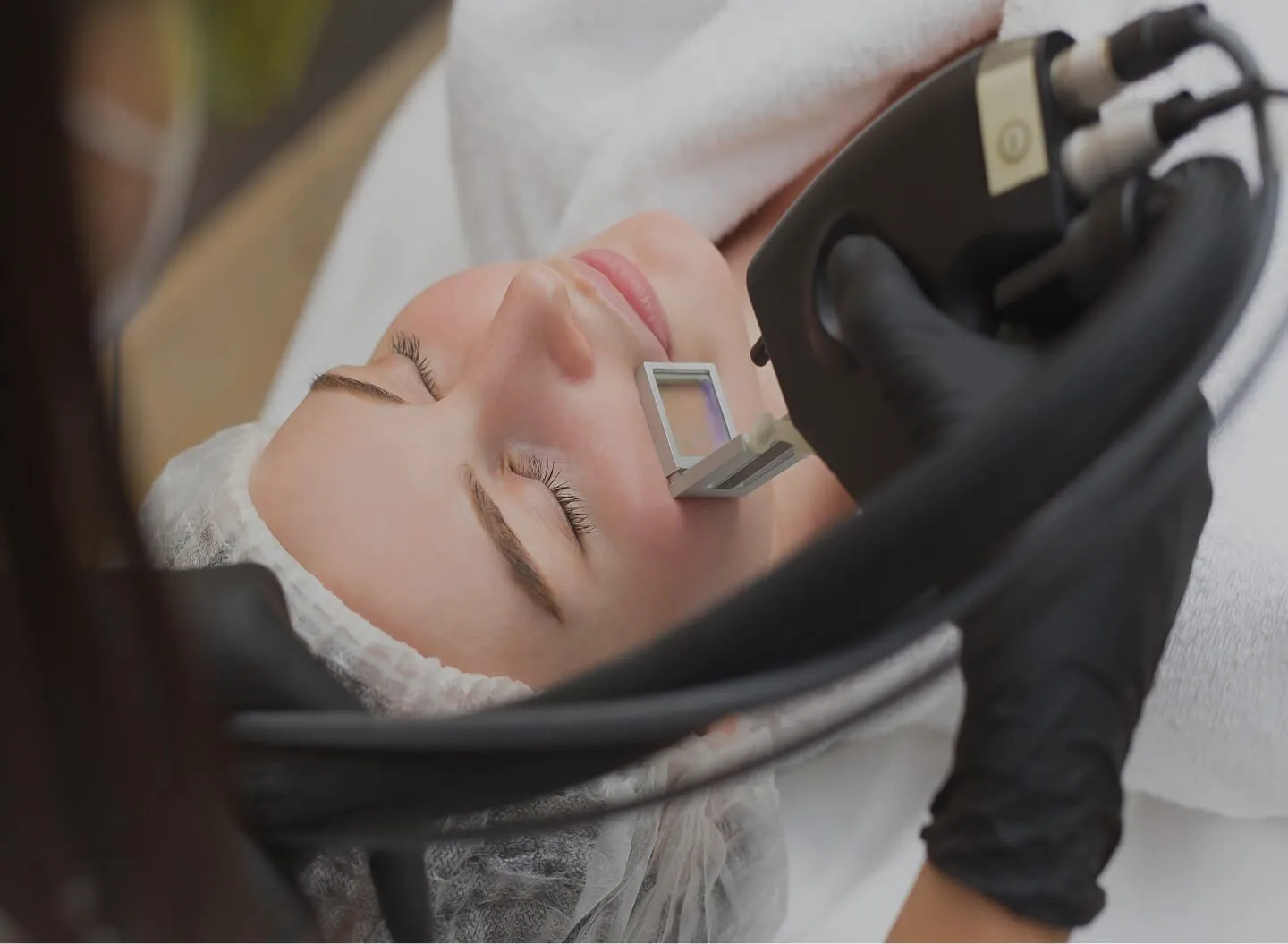
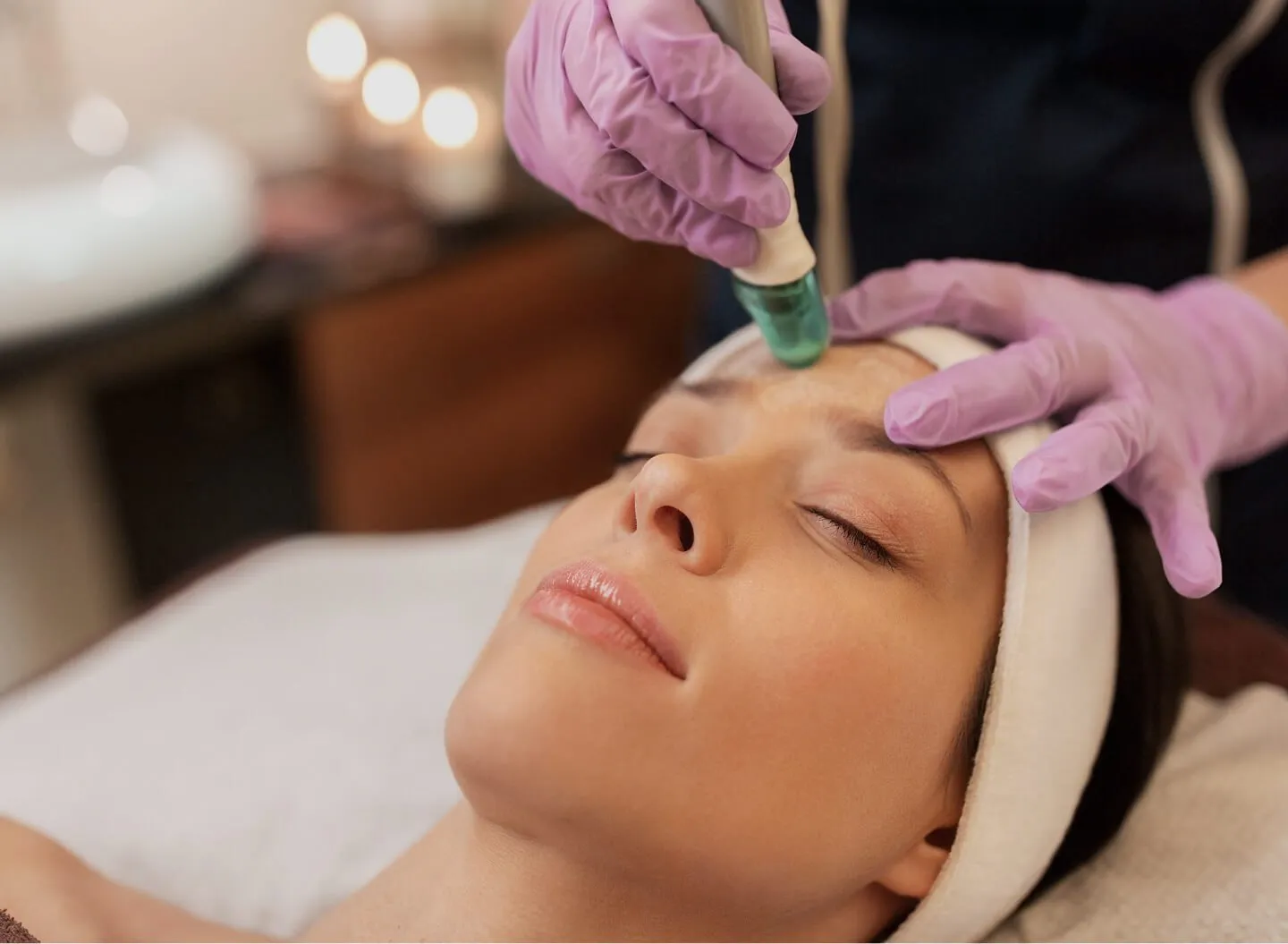
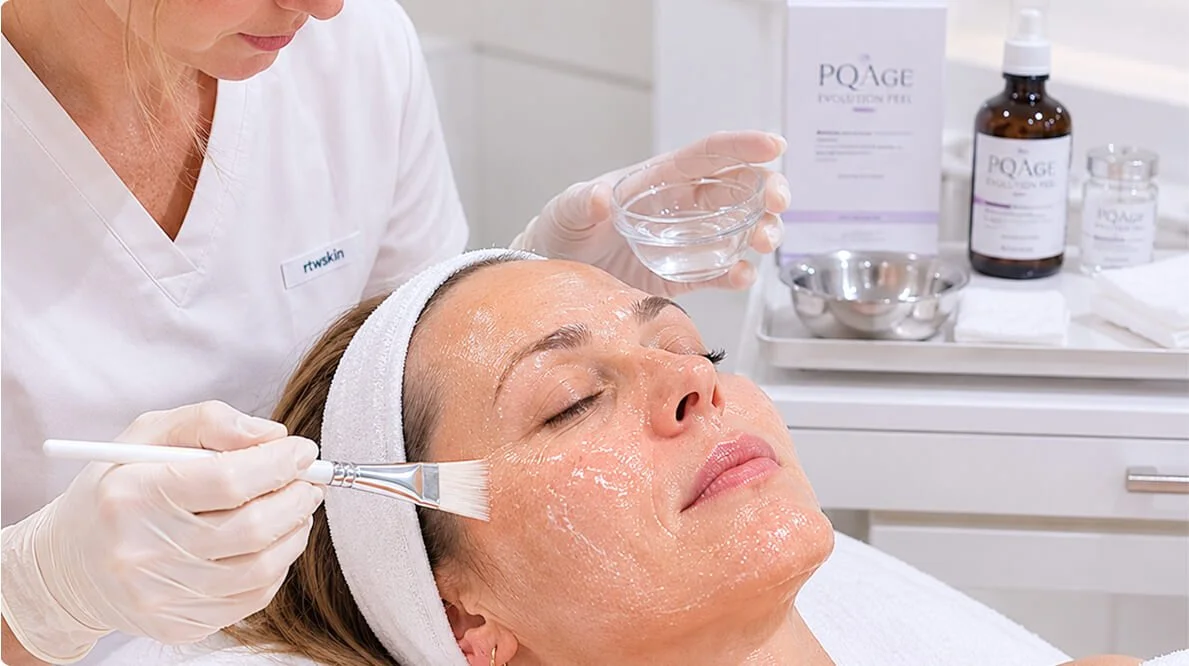
The treatment is applied to the skin using a gentle massage technique. This helps the active formulation interact with the skin while keeping the procedure comfortable for most patients.
- The aim is to support several aspects of skin quality, including:
- skin renewal;
- firmness;
- elasticity;
- hydration;
- texture refinement;
- more even-looking tone;
- antioxidant support;
- improved skin radiance.
This is why I describe PQAge Evolution Peel as a regenerative skin-quality treatment rather than simply a chemical peel. It is still a peel, but the clinical intention is different from a traditional peel that relies mainly on visible exfoliation.
The active ingredients and why they matter
PQAge Evolution Peel contains several active components that work together to support skin quality and regeneration.
Liposomal growth factors
One of the most important parts of the formulation is the use of liposomal growth factors, including Epidermal Growth Factor and Insulin-like Growth Factor 1.
In clinical terms, these are included to support fibroblast activity and skin regeneration pathways. Fibroblasts are important because they are involved in the production of collagen, elastin and hyaluronic acid — all of which contribute to firmness, hydration, elasticity and overall skin structure.
This is one of the reasons PQAge Evolution Peel has a regenerative positioning. It is not simply exfoliating the skin surface; it is designed to support deeper skin-quality improvement.
Peptide technology and the Glyne Complex
PQAge Evolution Peel is also enriched with peptide technology, including hexapeptide components within the Glyne Complex.
In skincare, some peptides are sometimes described as having a “Botox-like” effect. I think it is important to explain this carefully. PQAge Evolution Peel does not work like botulinum toxin. It does not relax muscles, it does not affect nerve signals, and it is not a substitute for anti-wrinkle injections.
Instead, the peptide technology is better understood as supportive for skin quality. In practice, this may contribute to smoother-looking skin, a more refined texture and a fresher appearance, especially when combined with the treatment’s growth factor technology.
Mandelic acid and kojic acid
Mandelic acid and kojic acid are particularly useful when we are thinking about uneven tone and pigmentation-prone skin.
Mandelic acid supports gentle exfoliation and texture refinement. Kojic acid is commonly used in pigmentation-focused skincare because it helps support a more even-looking complexion.
For patients with dullness, uneven tone or visible pigmentation, this combination can be helpful as part of a wider treatment plan. However, pigmentation is complex, and the correct approach depends on the cause, depth and behaviour of the pigmentation.
Modulated chloroacetic acid
PQAge Evolution Peel also includes modulated chloroacetic acid. This supports controlled dermal stimulation and skin renewal without aiming for aggressive peeling.
This is one of the reasons the treatment is different from older-style peels. The intention is to stimulate and renew the skin while avoiding unnecessary trauma to the skin barrier.
Coenzyme Q10
Coenzyme Q10 provides antioxidant support and is associated with cellular energy and skin vitality.
In an ageing skin context, antioxidant support is useful because the skin is constantly exposed to oxidative stress from UV exposure, pollution, lifestyle factors and natural ageing.
What results do I commonly see in clinical practice?
In my experience, patients often notice an immediate improvement in skin radiance. The complexion can look brighter, fresher and more rested after treatment.
Common early improvements may include:
- visible glow;
- brighter-looking skin;
- smoother texture;
- a more refreshed complexion;
- fine lines appearing softer;
- skin looking more awake and healthy.
Longer-term results usually require a course of treatments. Over time, suitable patients may notice:
- improved skin firmness;
- better skin elasticity;
- more even-looking pigmentation;
- smoother texture;
- reduced appearance of fine lines;
- improved overall skin quality.
It is important to be realistic. PQAge Evolution Peel is not a one-off solution for ageing, laxity or pigmentation. It is a course-based regenerative treatment, and results vary depending on skin condition, age, lifestyle, sun exposure, aftercare and consistency with the recommended plan.
Is PQAge Evolution Peel a no-downtime treatment?
PQAge Evolution Peel is best described as a low-downtime treatment, with minimal to no downtime for many patients.
Most patients can return to normal daily activities shortly after treatment. However, some may experience temporary redness, tightness, sensitivity or mild flaking, depending on skin type and barrier condition.
This is why consultation matters. If the skin barrier is compromised, inflamed or over-treated with actives, we may need to repair and prepare the skin before performing PQAge Evolution Peel.
PQAge Evolution Peel vs traditional chemical peels
Traditional chemical peels often focus on exfoliation. Depending on the depth and strength of the peel, they may lead to visible peeling, redness, sensitivity and several days of recovery.
PQAge Evolution Peel is different because its main focus is regenerative stimulation rather than visible shedding.
Compared with many traditional peels, PQAge Evolution Peel is designed to offer:
- less visible peeling;
- less disruption to the skin barrier;
- a regenerative focus;
- a fresher and more radiant appearance;
- minimal downtime for many patients;
- progressive improvement over a course.
This makes it particularly appealing to patients who want skin improvement but do not want a dramatic recovery phase.
PQAge Evolution Peel vs PRP
I have used PRP for facial rejuvenation for many years and have seen very good results with it. PRP is a well-established regenerative aesthetic treatment that uses the patient’s own blood-derived platelets and growth factors.
Source: American Academy of Dermatology
https://www.aad.org/public/cosmetic/younger-looking-skin/platelet-rich-plasma
PQAge Evolution Peel is not the same as PRP.
PRP involves a blood draw and injections. PQAge Evolution Peel is a topical, non-invasive treatment applied to the skin. It does not use the patient’s blood and does not replace PRP.
However, I often describe PQAge Evolution Peel as a non-invasive way of supporting regenerative skin pathways. For patients who are interested in the glow, firmness and skin-quality benefits associated with regenerative aesthetics but do not want injections, PQAge Evolution Peel may be a gentler option.
In some patients, depending on the skin concern and protocol, it can provide a very refined improvement in glow, firmness and overall skin quality. But the right choice depends on the individual patient and their treatment goals.
PQAge Evolution Peel vs PRX-T33
PQAge Evolution Peel and PRX-T33 are both modern regenerative peels that aim to improve skin quality with minimal downtime.
They are similar in that neither treatment is focused primarily on heavy visible peeling. Both can be useful for patients who want brighter, smoother and firmer-looking skin without a traditional peel recovery.
However, they use different formulations and mechanisms. PQAge Evolution Peel includes liposomal growth factors and peptide technology, which support its regenerative and skin-quality positioning.
At rtwskin, I do not choose between these treatments based only on the name. I assess the patient’s skin condition, sensitivity, pigmentation, barrier health, goals and previous treatment history before deciding which option is most appropriate.
How does it compare with microneedling or laser resurfacing?
PQAge Evolution Peel is not a direct replacement for microneedling or laser resurfacing. These treatments work differently and may be better suited to different concerns.
Compared with microneedling, PQAge Evolution Peel is non-invasive and does not create controlled micro-injuries in the same way. It may be preferred by patients who want a gentler approach or who are not ready for needle-based treatment.
Compared with laser resurfacing, PQAge Evolution Peel usually involves much less downtime. It can also be used as part of a preparatory skin-quality plan before more intensive treatments, depending on the patient’s needs.
For deeper wrinkles, more significant laxity, acne scarring or advanced resurfacing needs, laser, microneedling or combination protocols may still be more appropriate.
Who is the ideal patient?
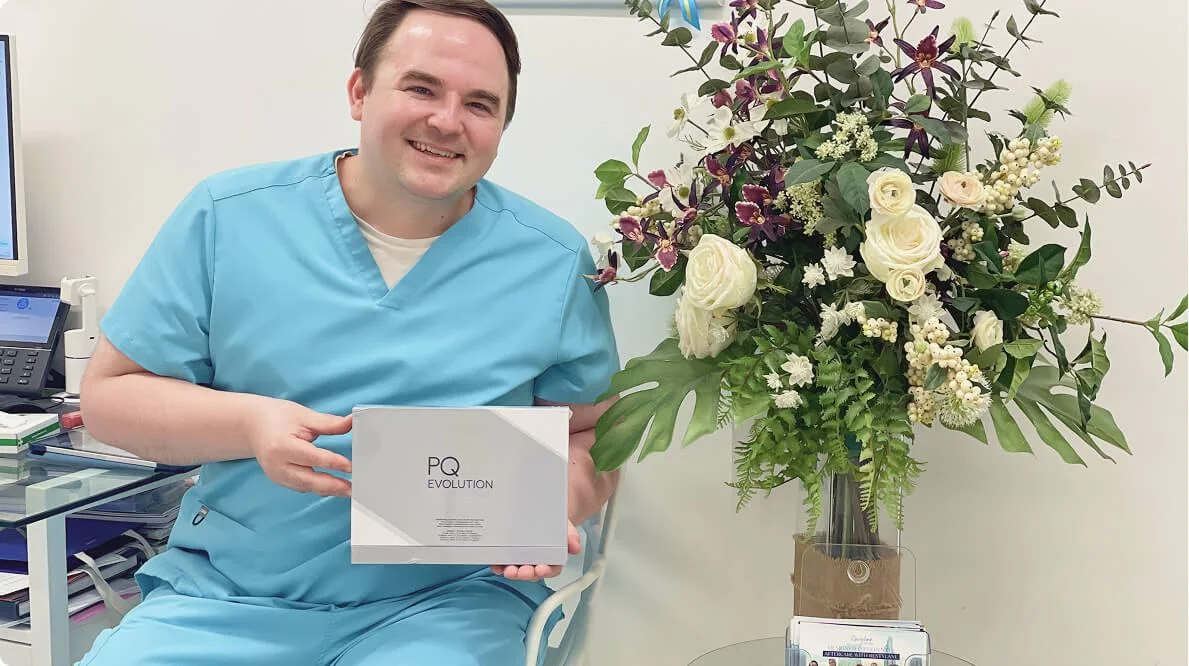
In my experience, PQAge Evolution Peel is most suitable for patients who want natural-looking skin improvement and are concerned about early or moderate signs of skin ageing.
It may be suitable for:
- patients aged 30+ noticing early ageing changes;
- fine lines;
- mild skin laxity;
- dullness;
- pigmentation and uneven tone;
- busy professionals;
- patients preparing for an event;
- people who want a low-downtime skin treatment;
- patients who prefer non-invasive options;
- those interested in regenerative skin quality rather than aggressive peeling.
It may also be useful for patients who feel their skin looks tired, flat or less resilient, even when they are using good skincare at home.
Who may not be suitable?
PQAge Evolution Peel is not suitable for everyone.
It may not be appropriate during pregnancy or breastfeeding, or where there are active inflammatory skin conditions, active infection, open wounds or a severely compromised skin barrier.
We may also need to delay treatment if the patient has recently used strong active skincare, prescription retinoids or exfoliating acids that have made the skin sensitive.
This is why I always assess the skin first. A treatment can be excellent, but it still needs to be right for that patient at that time.
The most common mistake I see after treatment
The most common mistake I see is patients restarting active skincare too early.
This includes retinol, exfoliating acids, AHA or BHA products, strong vitamin C products and physical scrubs. Restarting these too quickly can lead to temporary flaking, sensitivity or barrier disruption.
After treatment, the skin needs calm support. The focus should be on hydration, barrier repair and daily SPF.
Aftercare after PQAge Evolution Peel
Aftercare is simple but important.
I usually advise patients to:
- use daily broad-spectrum SPF;
- avoid excessive sun exposure;
- pause retinol and exfoliating acids for around one to two weeks, unless advised otherwise;
- avoid physical scrubs;
- use gentle, barrier-supporting moisturisers;
- avoid heat exposure, saunas or intense exercise for the first 24–48 hours if the skin feels sensitive;
- contact the clinic if irritation or sensitivity feels unusual or prolonged.
Good aftercare helps protect the skin barrier and supports the best possible treatment outcome.
How many treatments are needed?
Some patients notice a visible glow after one treatment, but PQAge Evolution Peel is best understood as a course-based regenerative treatment.
A course may be recommended for patients who want more progressive improvement in firmness, fine lines, pigmentation, texture and overall skin quality.
The number of sessions depends on the patient’s age, skin condition, pigmentation, sensitivity, lifestyle and treatment goals. Maintenance sessions may also be recommended where appropriate.
My clinical view
For me, PQAge Evolution Peel fits into a modern category of aesthetic treatments that aim to improve skin quality without creating unnecessary disruption.
It is not about forcing the skin to peel dramatically. It is about supporting regeneration, radiance, firmness and healthier-looking skin in a way that fits real life.
For the right patient, PQAge Evolution Peel can be a powerful option for natural-looking skin rejuvenation, especially when the goal is glow, smoothness, pigmentation support, fine line improvement and a fresher overall appearance.
At rtwskin in Tunbridge Wells, we recommend it only after assessing the skin properly and deciding whether it is the right treatment for the patient’s needs.
Is PQAge Evolution Peel a chemical peel?
Yes, it is an advanced type of chemical peel, but it works differently from traditional peels. It focuses more on regenerative skin stimulation and skin-quality improvement than heavy visible peeling.
Does PQAge Evolution Peel cause peeling?
Not usually in the same way as a traditional medium-depth peel. Some patients may experience mild flaking or sensitivity, but the treatment is designed to minimise visible shedding.
Is there downtime after PQAge Evolution Peel?
Downtime is minimal for many patients. Some people may have temporary redness, tightness, mild sensitivity or light flaking, depending on skin type and barrier condition.
What does PQAge Evolution Peel help with?
It may help improve dullness, fine lines, mild laxity, pigmentation, uneven tone, rough texture and loss of radiance.
Is PQAge Evolution Peel suitable for pigmentation?
It may be useful for uneven tone and some pigmentation concerns, especially as part of a wider skin plan. A consultation is needed to assess the type and cause of pigmentation.
How quickly will I see results?
Many patients notice brighter, fresher-looking skin after one treatment. Improvements in firmness, fine lines, pigmentation and texture usually develop more progressively over a course.
Is PQAge Evolution Peel the same as PRP?
No. PRP uses the patient’s own blood-derived platelets and is delivered by injection. PQAge Evolution Peel is a topical, non-invasive regenerative peel. They are different treatments, although both are used within regenerative aesthetics.
Is PQAge Evolution Peel better than PRX-T33?
Not necessarily. PQAge Evolution Peel and PRX-T33 are both regenerative low-downtime peels, but they use different formulations. The best choice depends on the patient’s skin condition and goals.
Can I wear makeup after PQAge Evolution Peel?
Your practitioner will give personalised advice, but it is usually best to avoid makeup immediately after treatment and allow the skin to settle. Mineral makeup may be suitable later, depending on skin response.
Can I use retinol after PQAge Evolution Peel?
Retinol should usually be paused for a period after treatment. Restarting too soon may increase sensitivity or flaking. Your practitioner will advise when it is safe to reintroduce active skincare.
Is PQAge Evolution Peel suitable before an event?
It may be suitable before an event because downtime is minimal for many patients. However, if it is your first treatment, it is better to plan it in advance so your skin response can be assessed.
Where is PQAge Evolution Peel available?
PQAge Evolution Peel is available at rtwskin clinic in Tunbridge Wells for suitable patients following consultation and skin assessment.
How many PQAge Evolution Peel sessions do I need?
One treatment can give the skin a fresher glow, but a course is usually recommended for concerns such as firmness, fine lines, pigmentation or uneven texture. The exact number of sessions depends on your skin condition and treatment goals.
Is PQAge Evolution Peel suitable for sensitive skin?
It may be suitable for some sensitive skin types, but not when the skin is inflamed, very reactive or recently over-exfoliated. In these cases, treatment may need to be delayed until the skin has settled.
Interested in PQAge Evolution Peel?
If you would like to improve skin glow, texture, firmness or uneven tone without aggressive peeling, book a consultation at rtwskin in Tunbridge Wells. We will assess your skin and advise whether PQAge Evolution Peel is suitable for you.