
 Treatments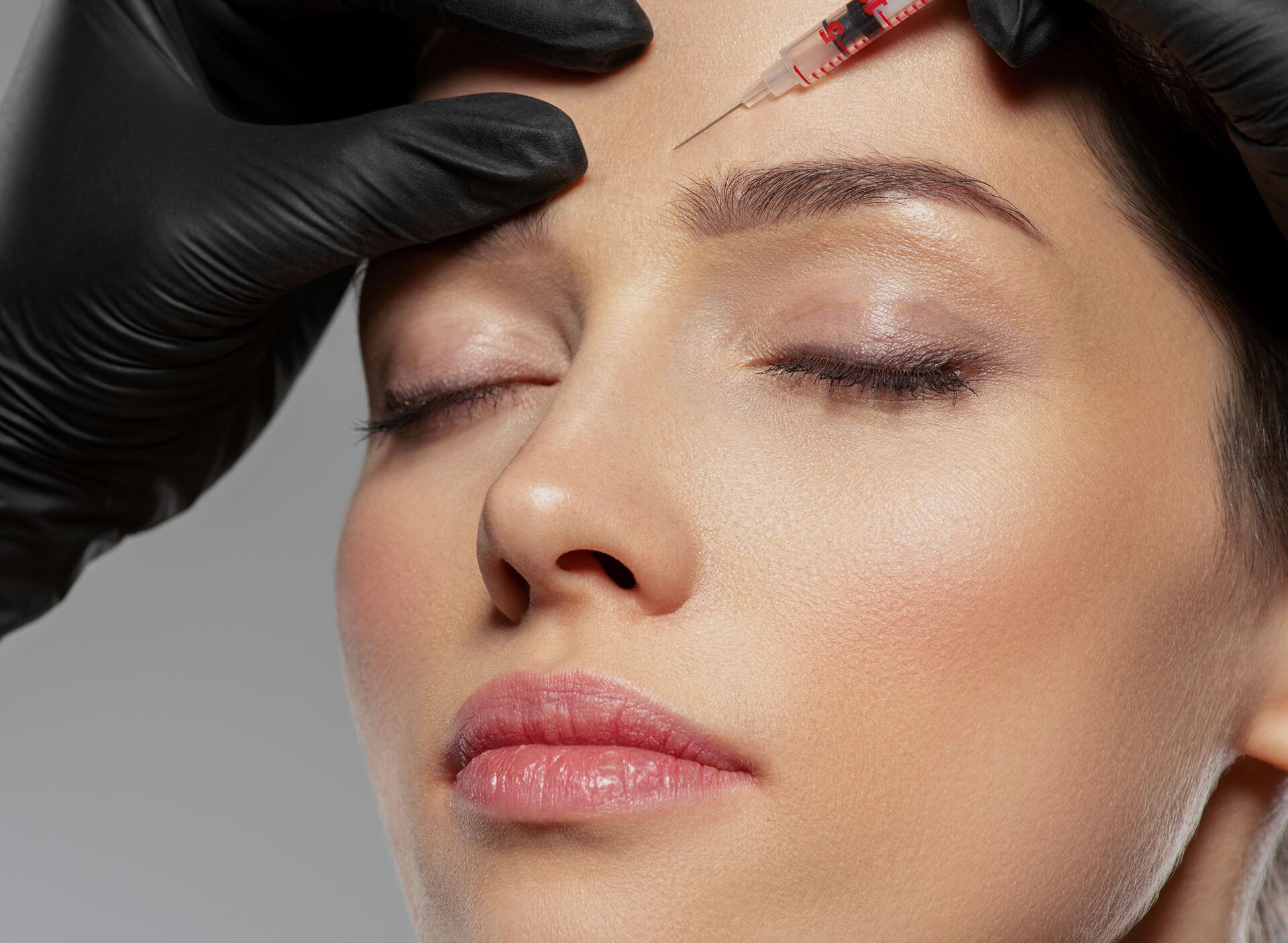





































































Signature Regenerative Programme in Tunbridge Wells
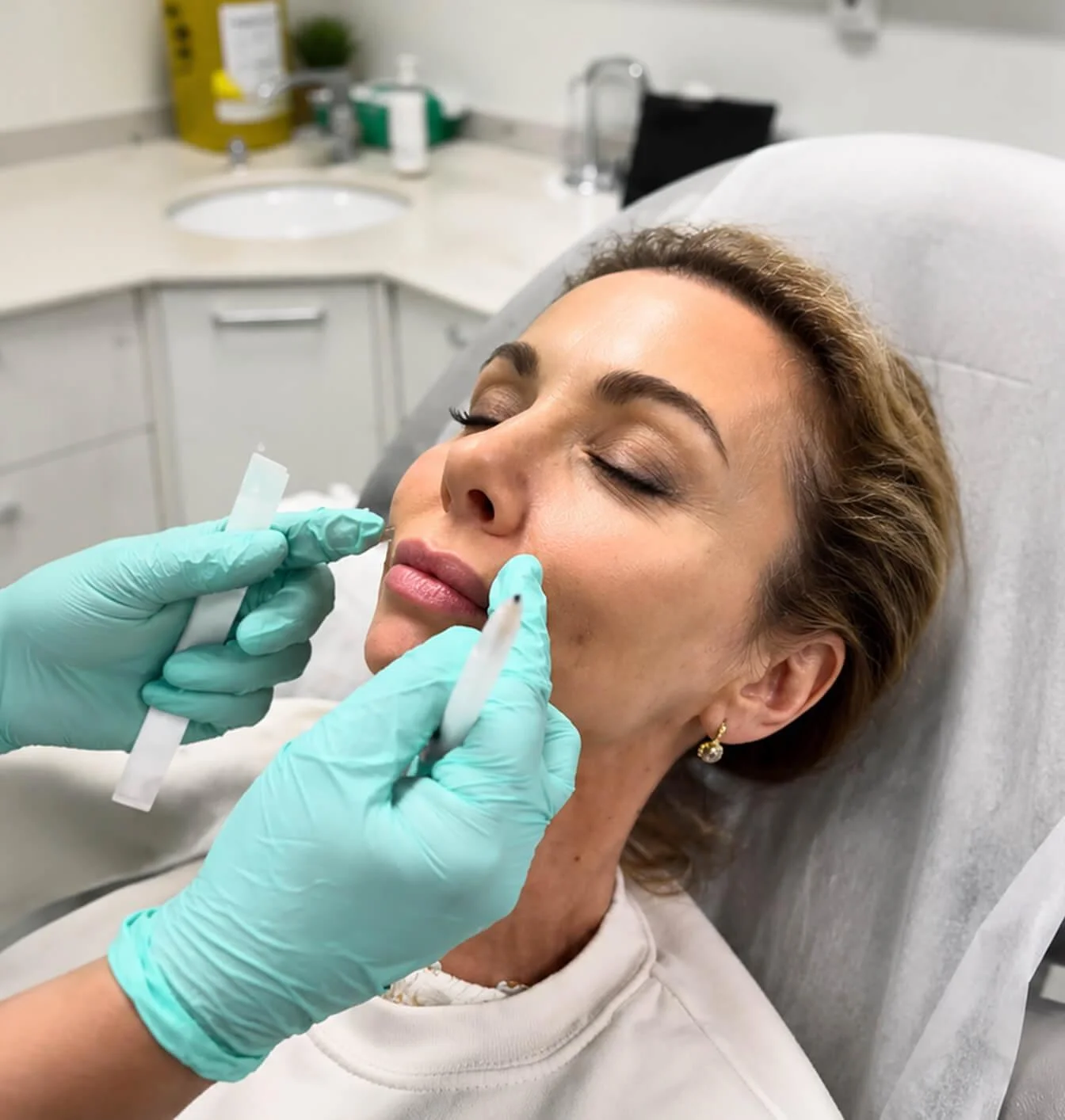
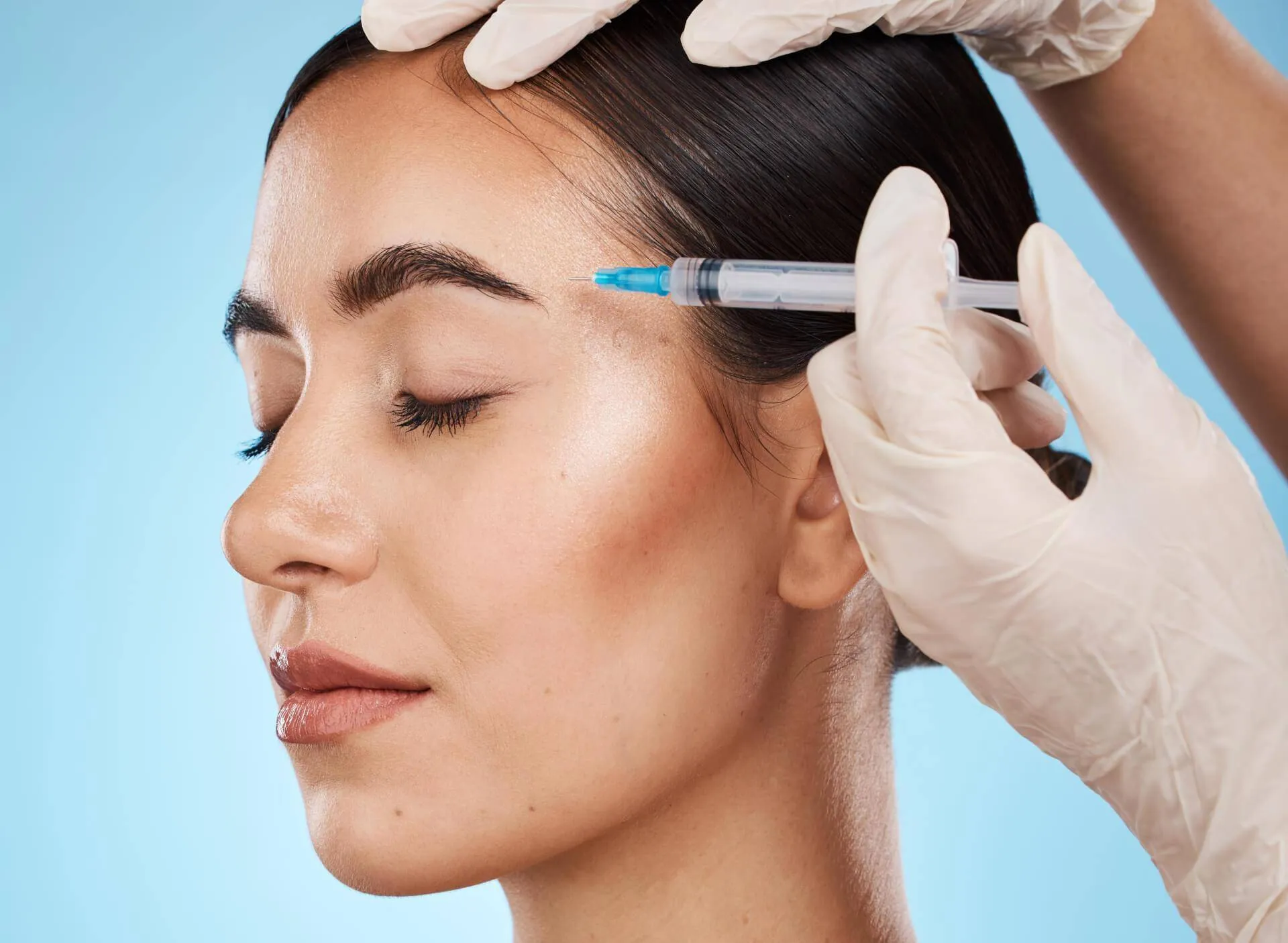
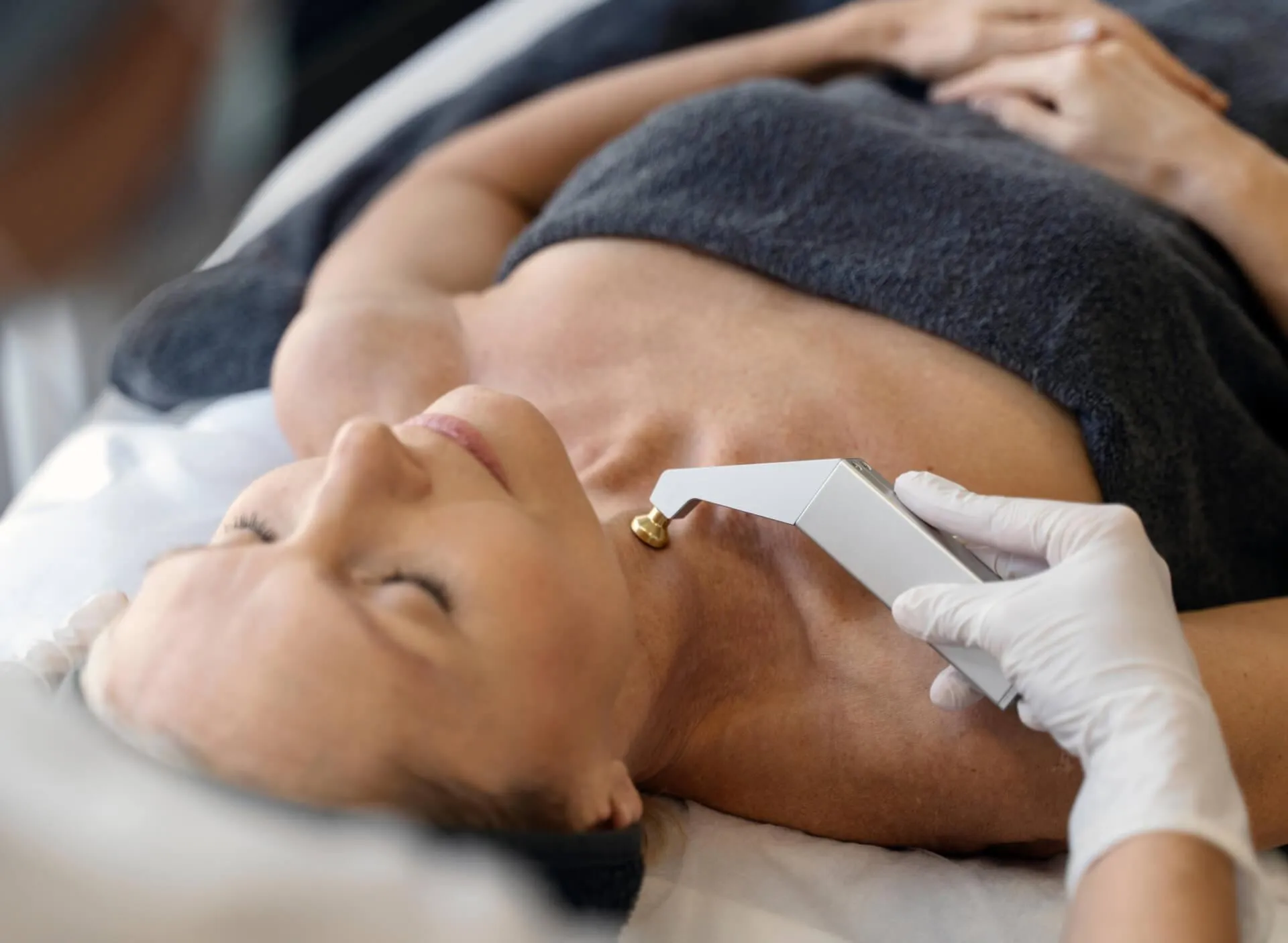
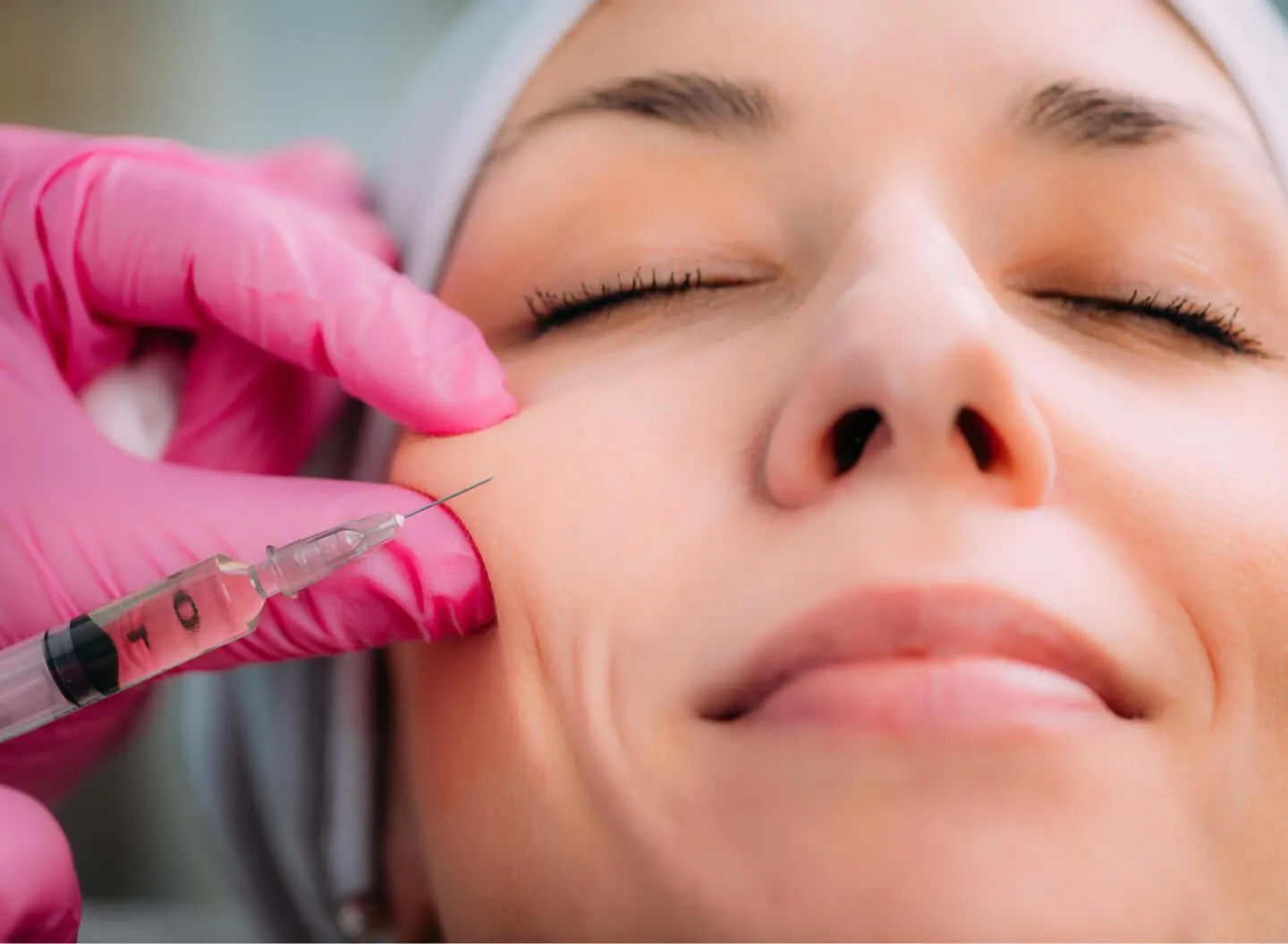
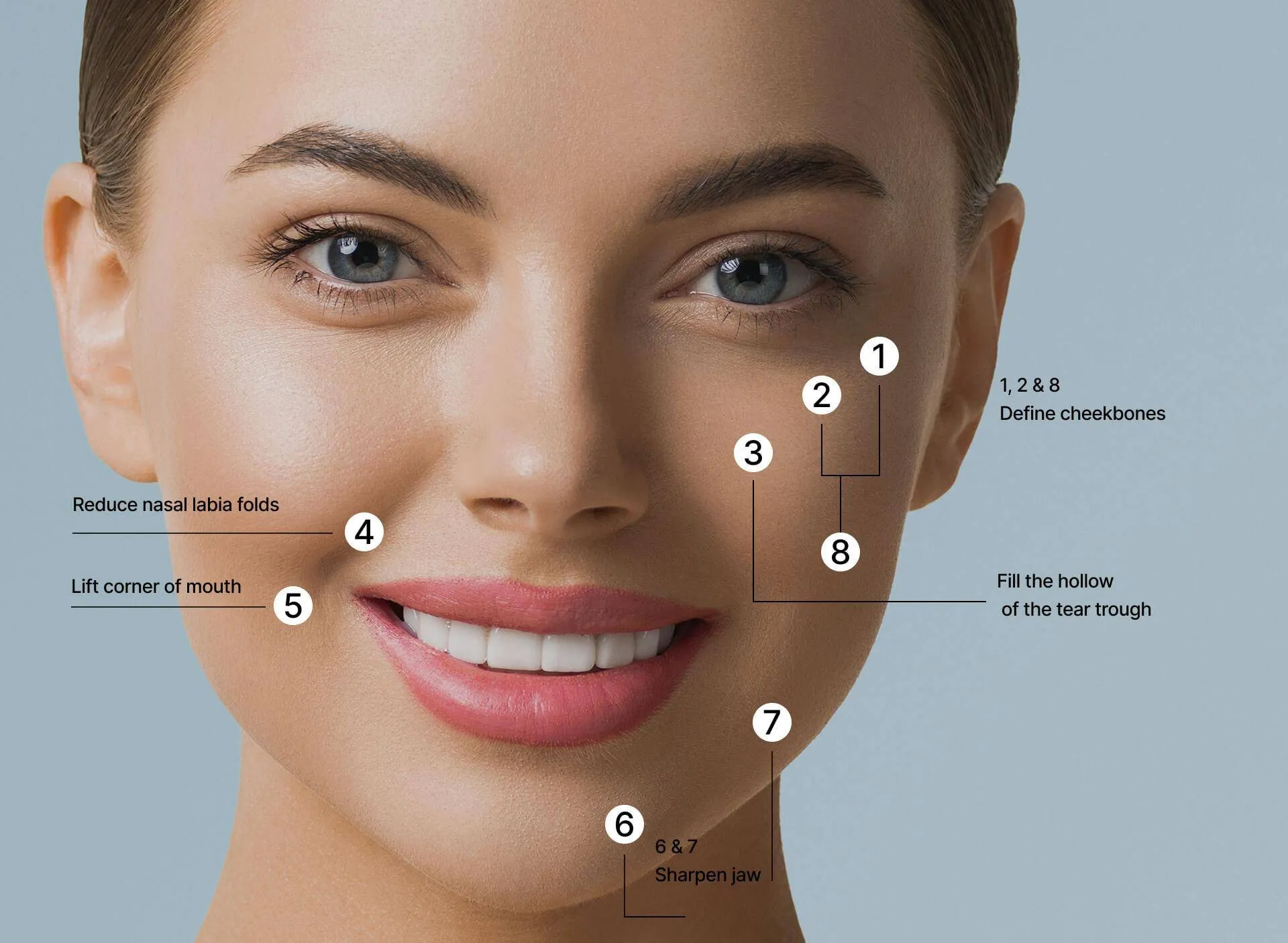
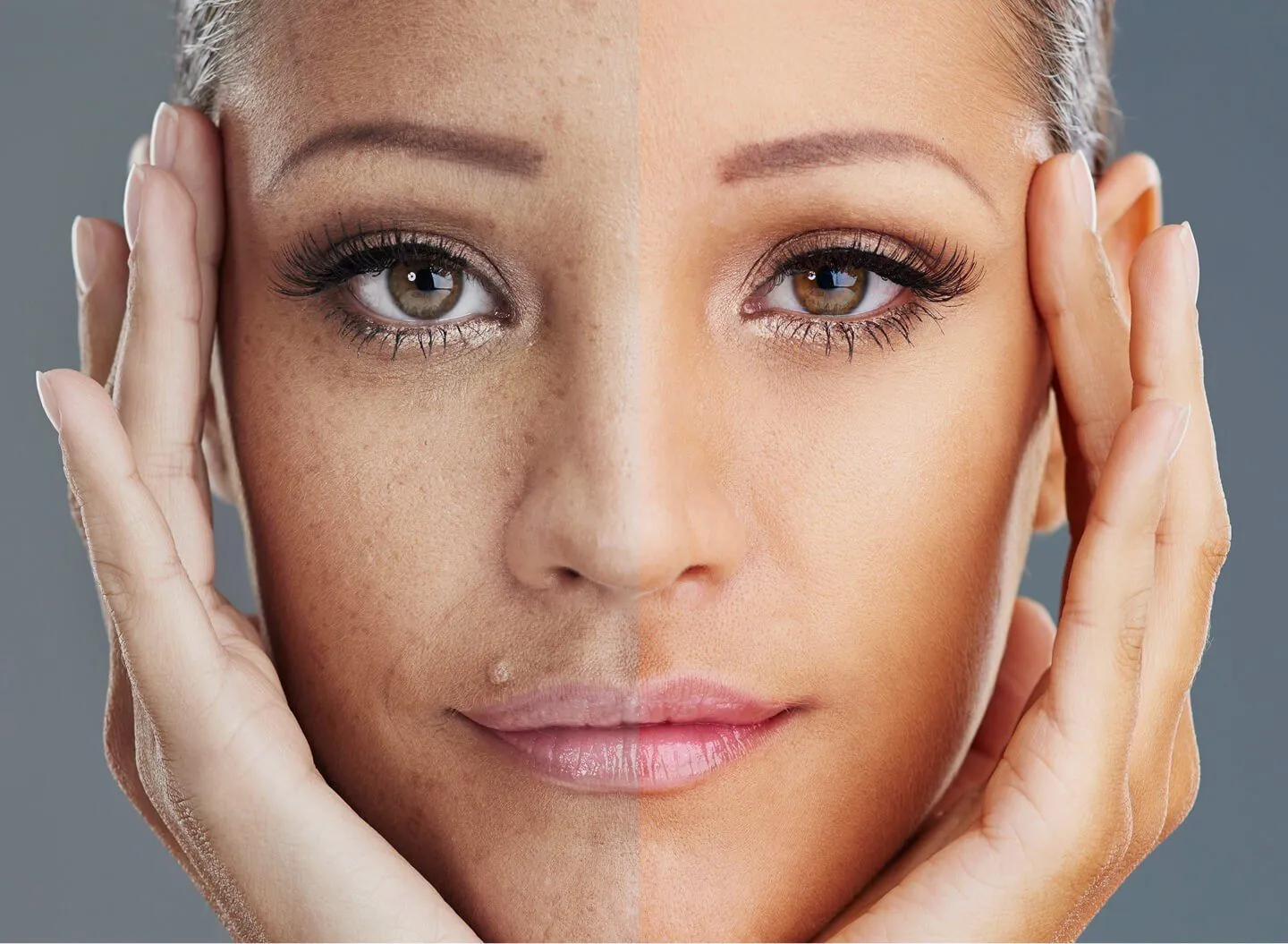
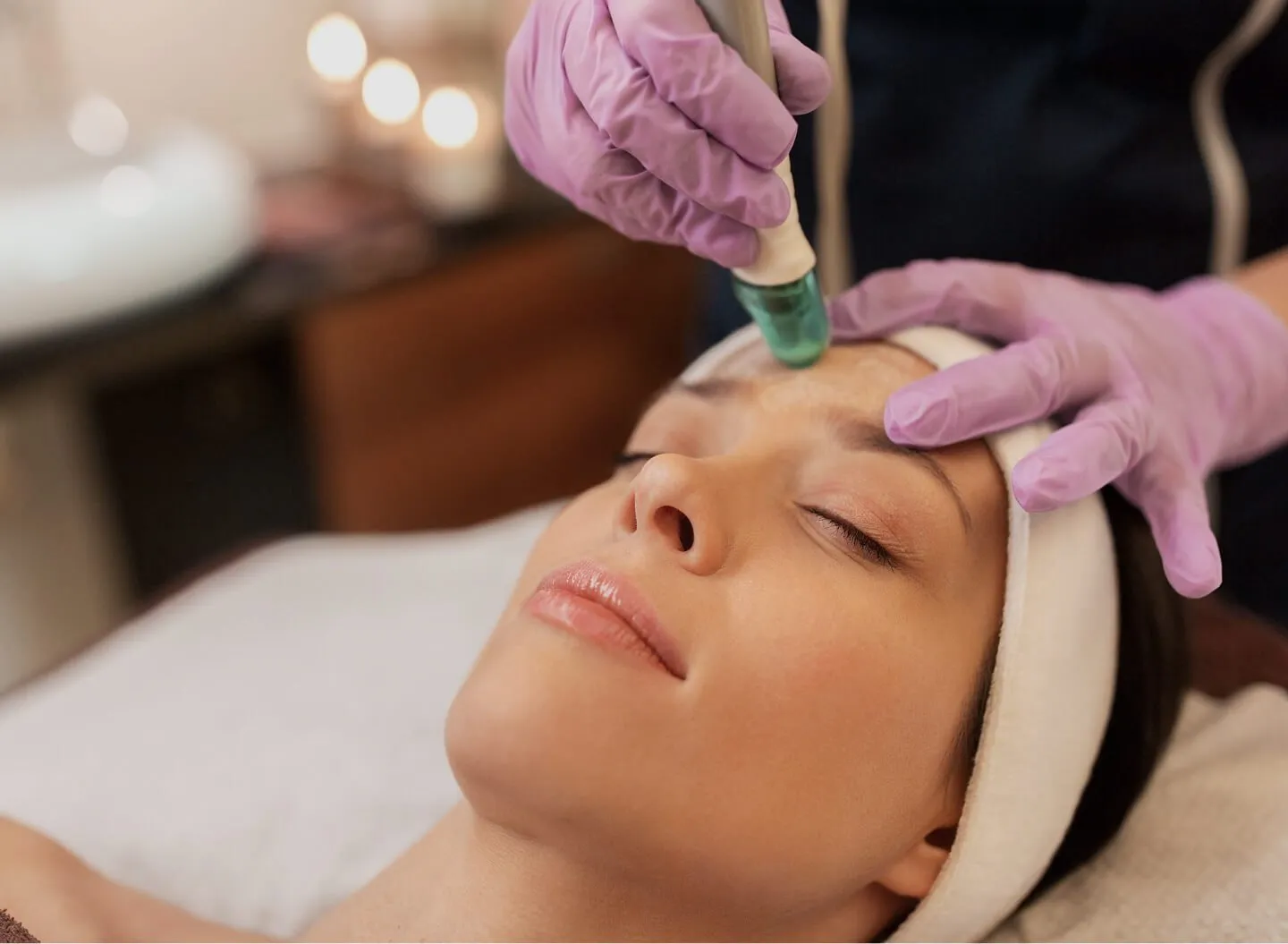
In clinical practice, I rarely rely on a single isolated treatment. At rtwskin in Tunbridge Wells, skin rejuvenation is approached as a structured regenerative process rather than a single isolated treatment.
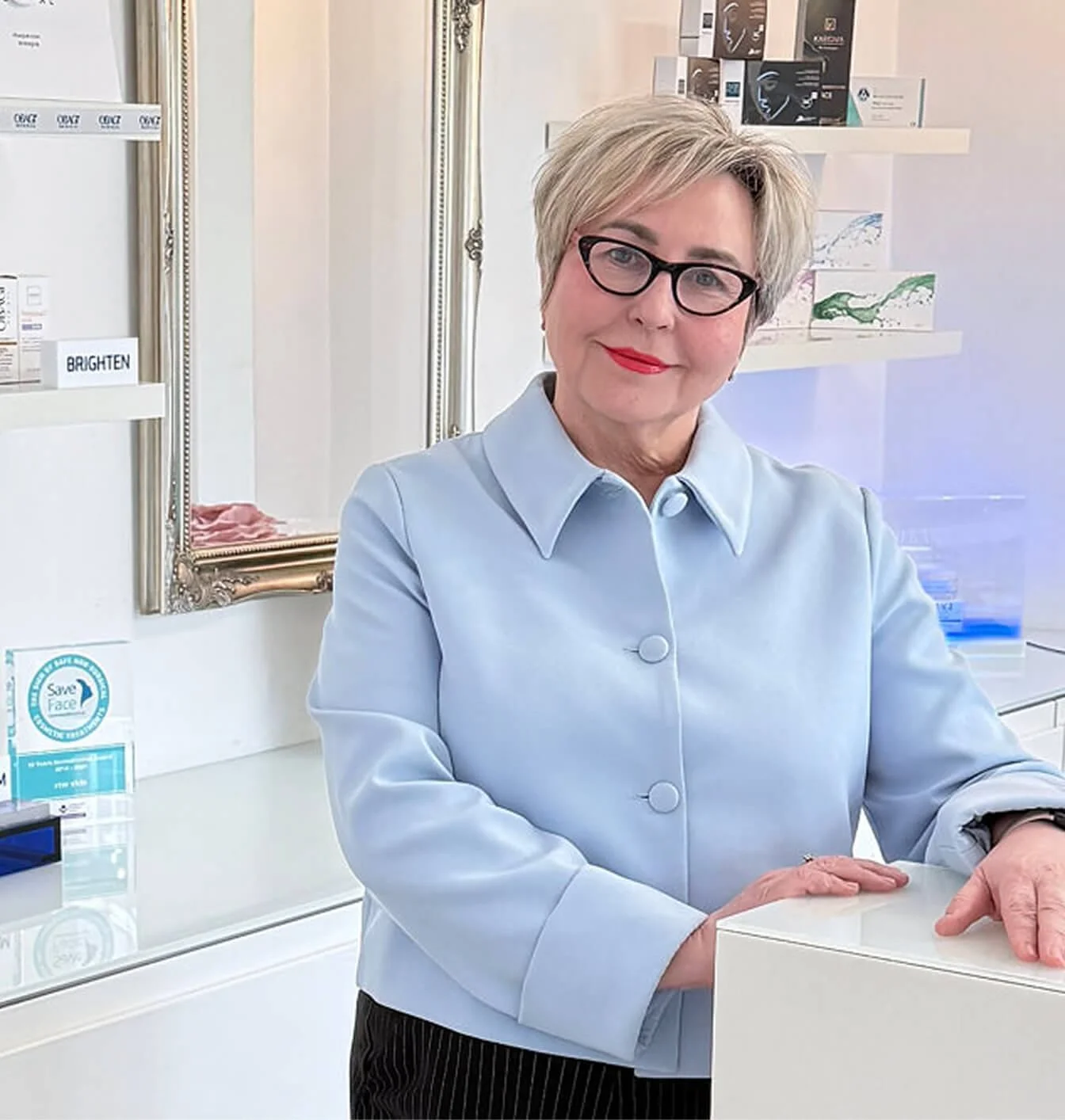
The Signature Regenerative Programme is a medically designed 4–6 month protocol developed by Dr Nina Sheffield. It combines biological preparation, collagen activation and advanced resurfacing in a staged sequence.
The programme may include:
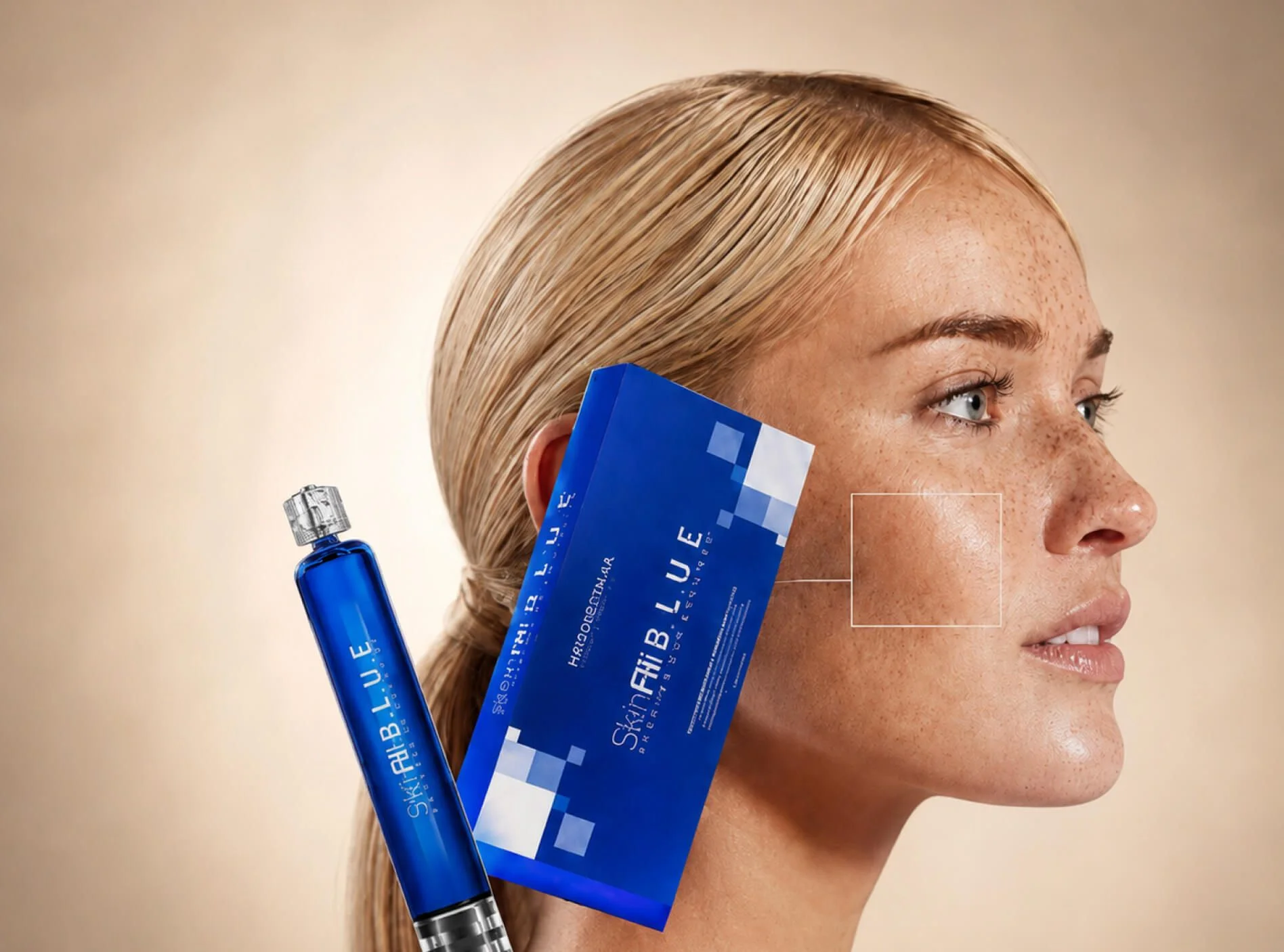
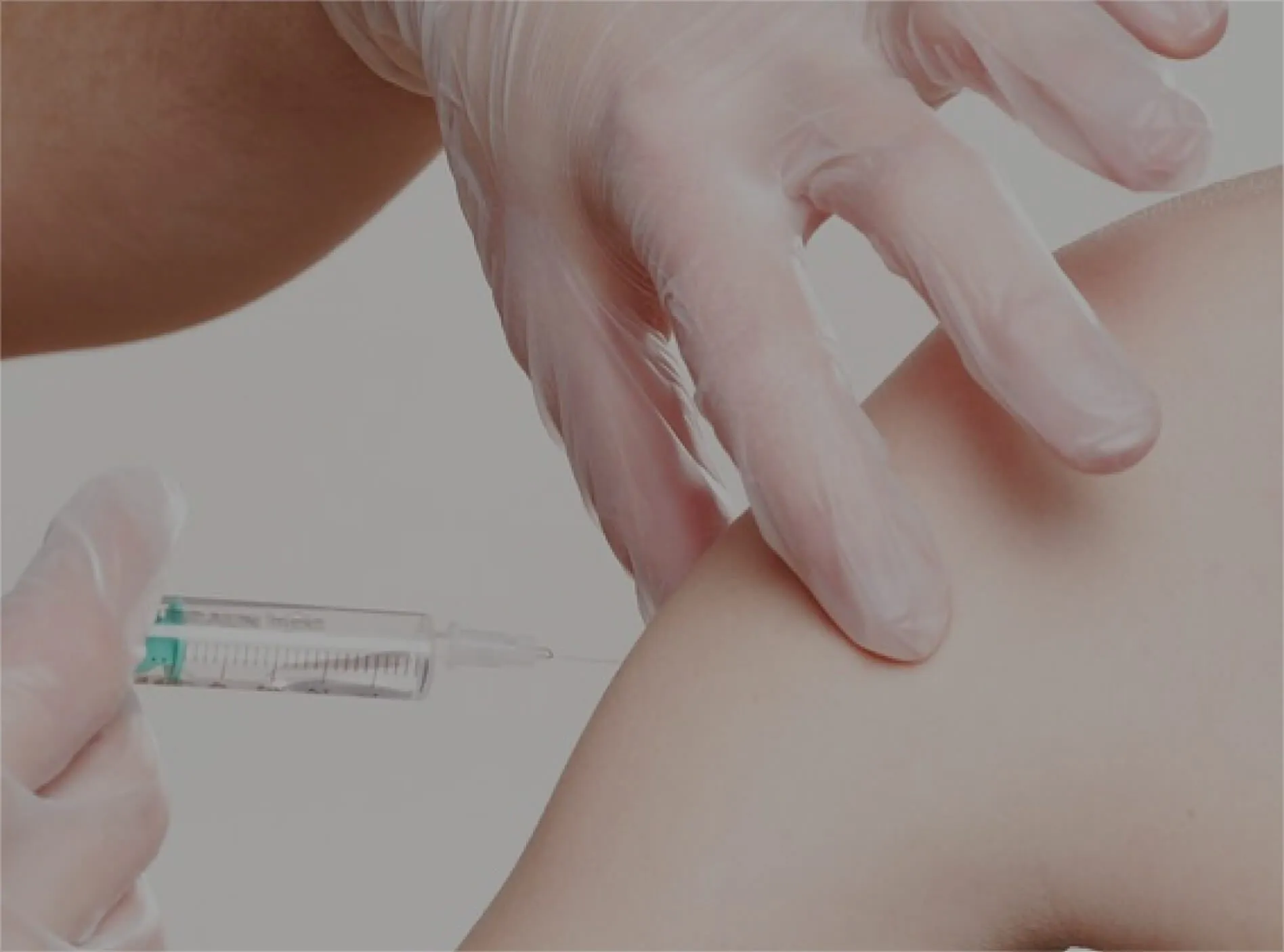
- Polynucleotides
- Sunekos or NCTF 135HA
- Ameela Exosome microneedling
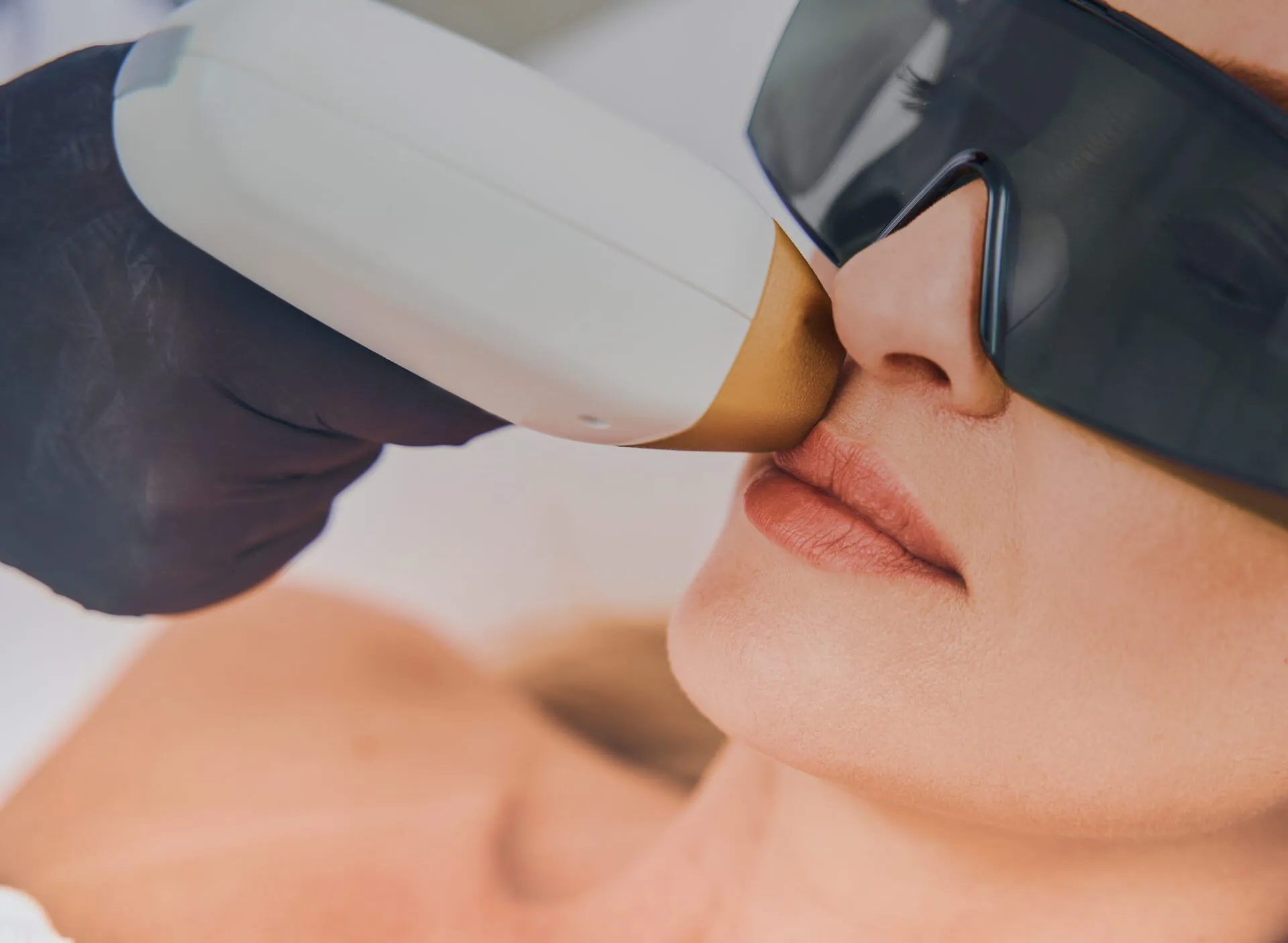
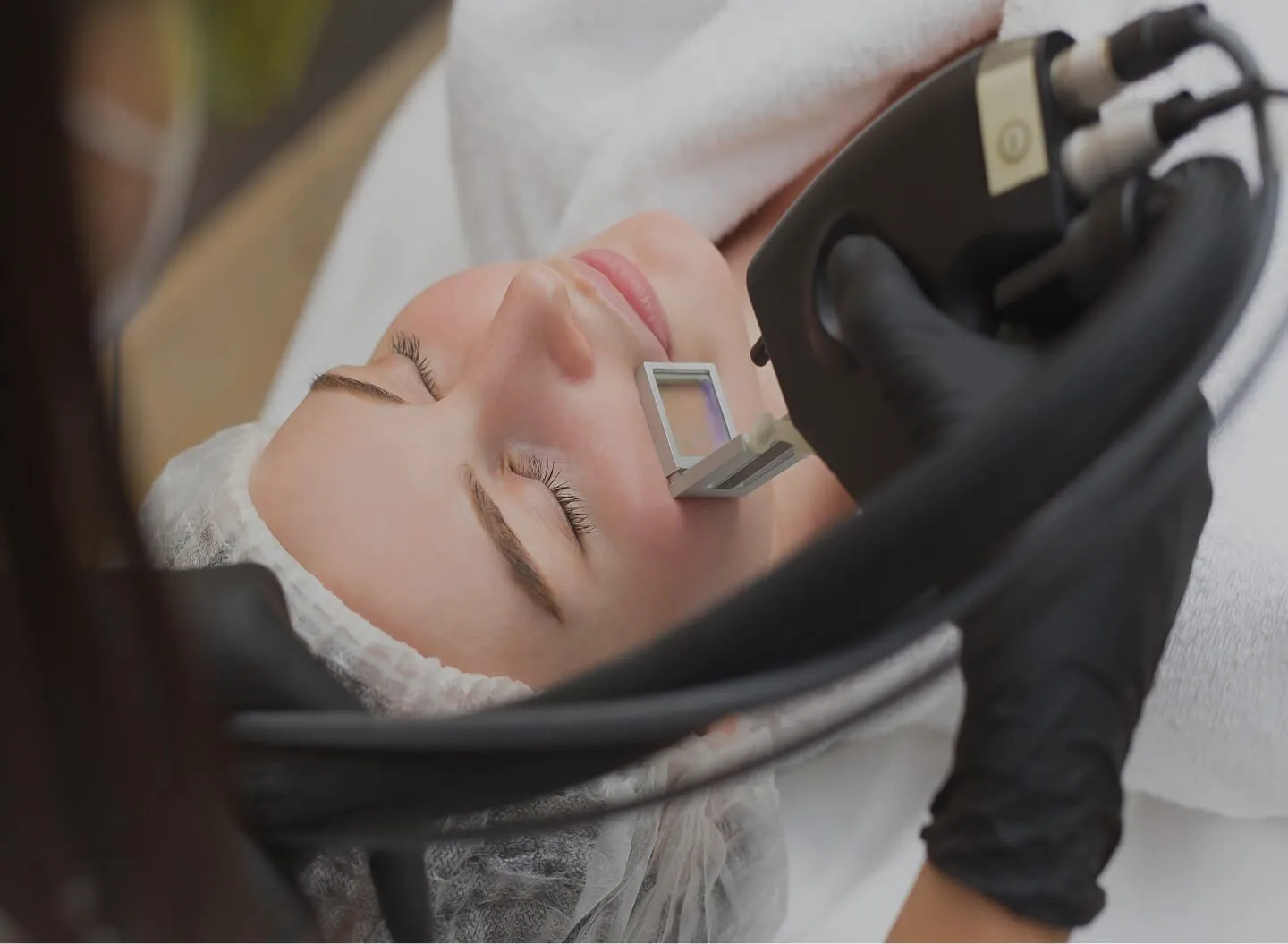
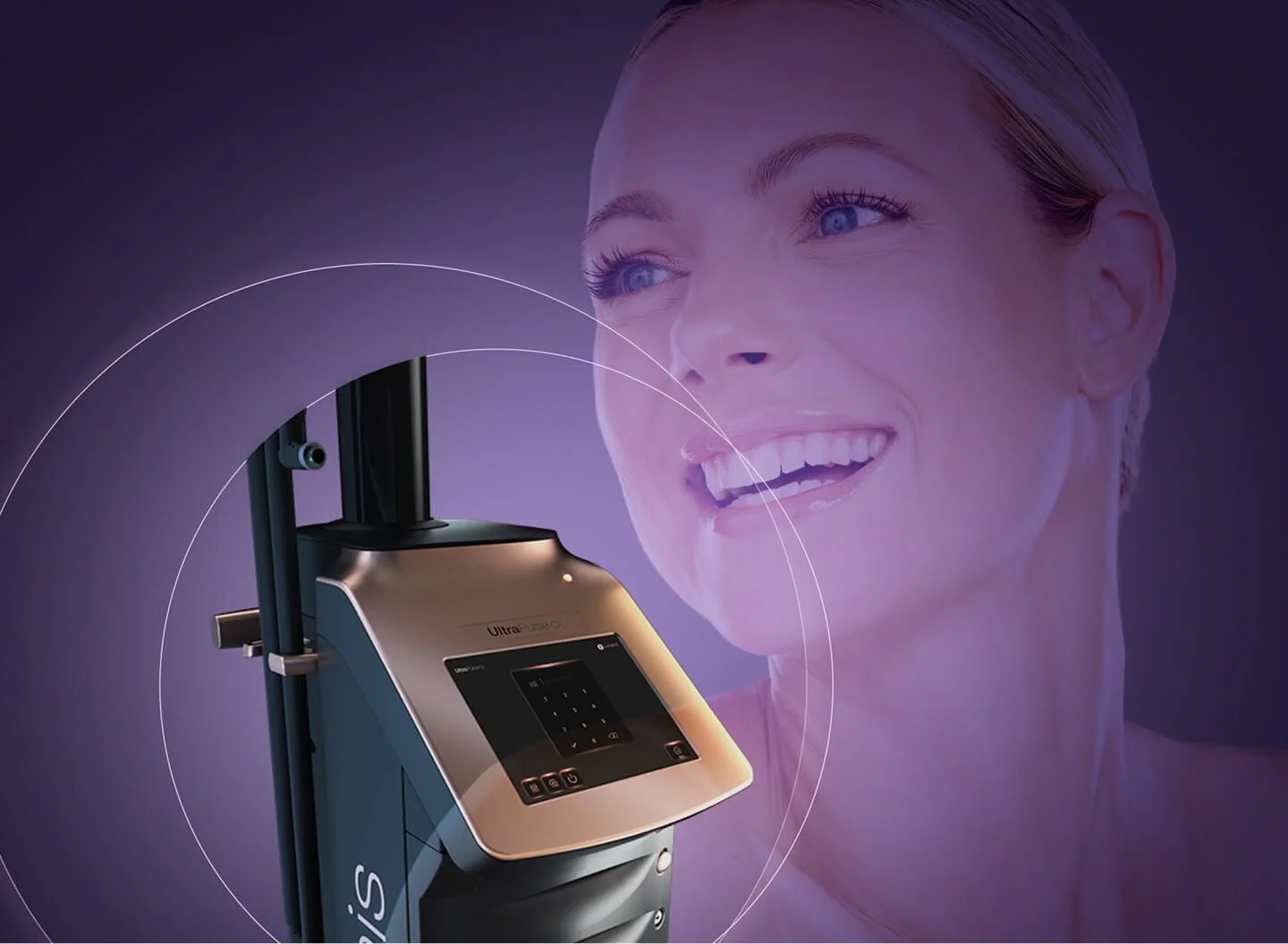
- CO2 laser resurfacing
- Erbium laser resurfacing
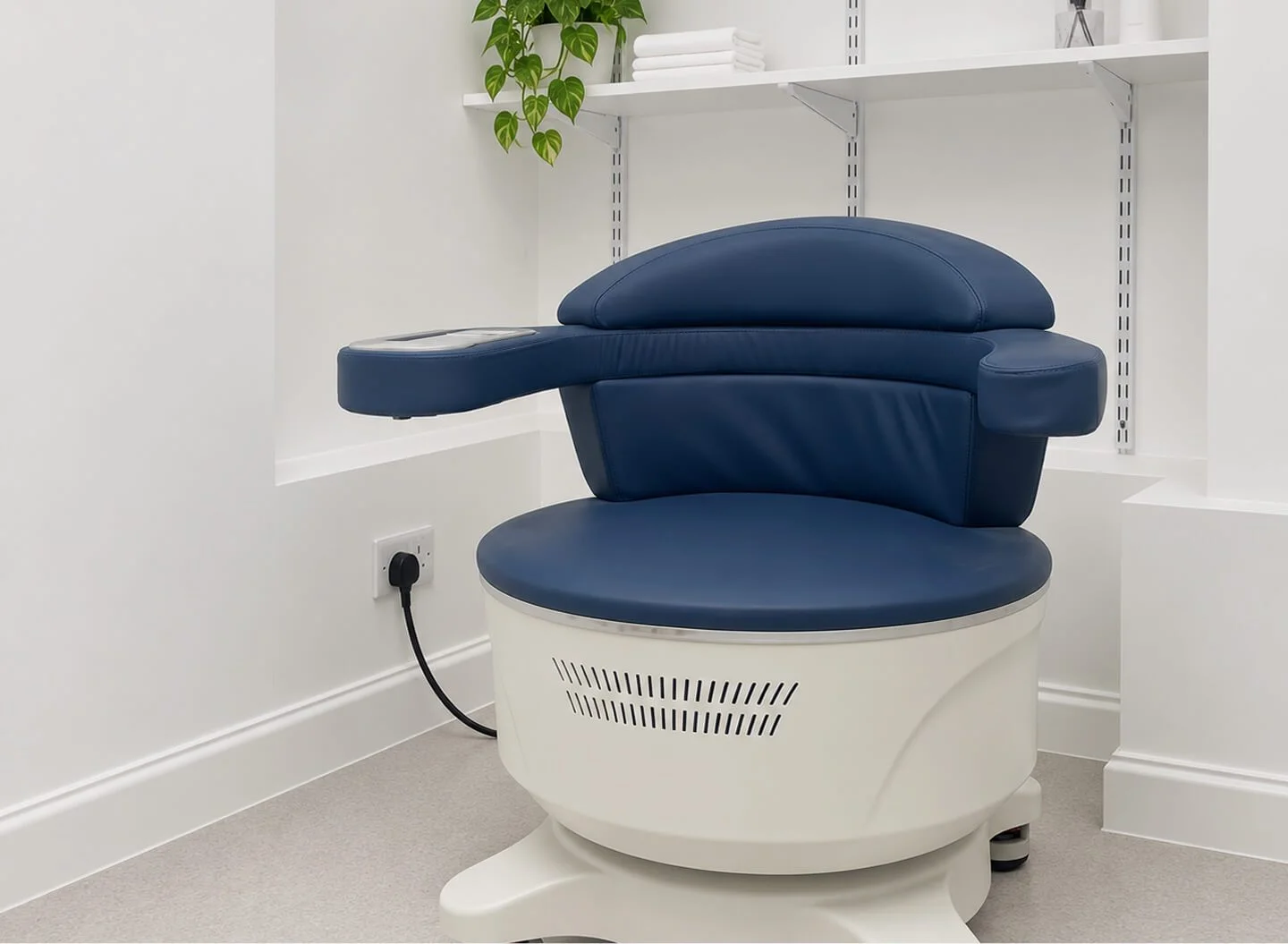
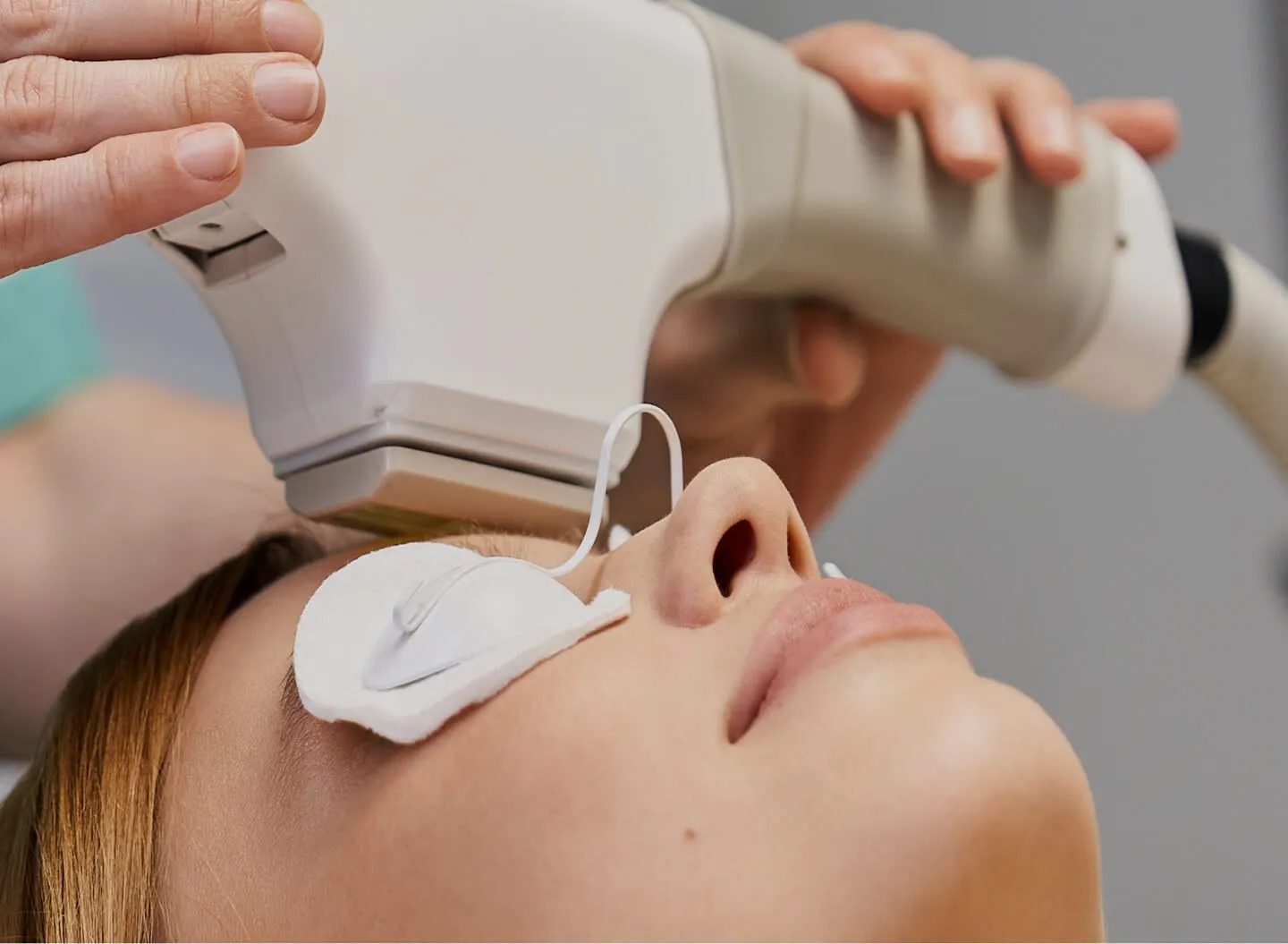
- HIFU
The objective is natural, proportionate rejuvenation through biological optimisation.
Why a Staged Approach Matters
Skin responds best when treatments are delivered in the correct biological order.
Instead of stimulating aggressively from the outset, this programme follows three principles:
- Repair
- Activate
- Remodel
This reduces the risk of overcorrection and supports more stable long-term outcomes.
Phase 1: Repair and Conditioning
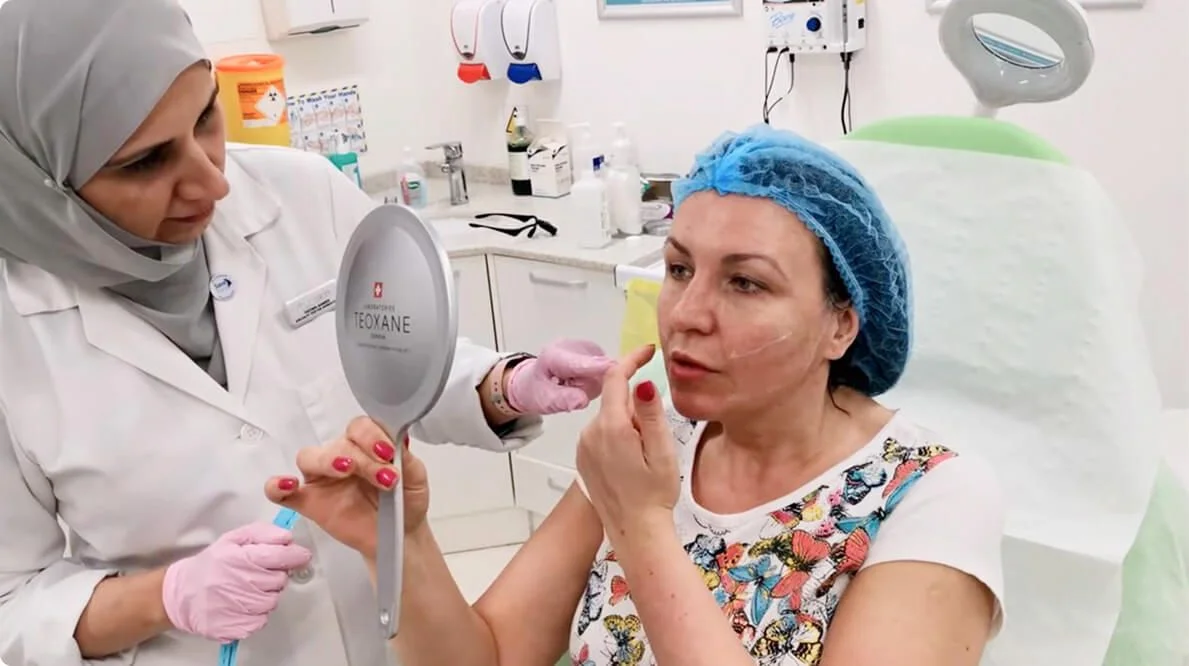
Polynucleotides – Foundation Therapy
The first stage focuses on strengthening the dermis.
Polynucleotides are used to:
- Improve hydration
- Strengthen tissue resilience
- Reduce inflammation
- Enhance recovery capacity
- Prepare skin for advanced procedures
Protocol:
- 3 sessions
- 2–3 weeks apart
- 6–8 weeks total duration
This stage ensures the skin is biologically prepared before collagen stimulation or resurfacing.
Phase 2: Targeted Collagen Activation
Once the dermis has been stabilised and strengthened, active collagen stimulation can begin.
Option A: Sunekos
Selected when patients present with:
- Fine lines
- Early wrinkles
- Mild laxity
- Loss of firmness
Protocol:
- 3–4 sessions
- 14 days apart
Sunekos stimulates collagen and elastin synthesis while enhancing hydration.
Option B: NCTF 135HA
Chosen when concerns include:
- Dullness
- Dehydration
- Uneven texture
- Post-summer skin damage
NCTF contains non-crosslinked hyaluronic acid combined with 59 active ingredients including vitamins and amino acids.
Protocol:
- 3–6 sessions
- 2–3 weeks apart
Effects may last up to six months.
Phase 3: Advanced Regeneration or Resurfacing
When the skin environment has been repaired and collagen pathways activated, resurfacing becomes both safer and more effective.
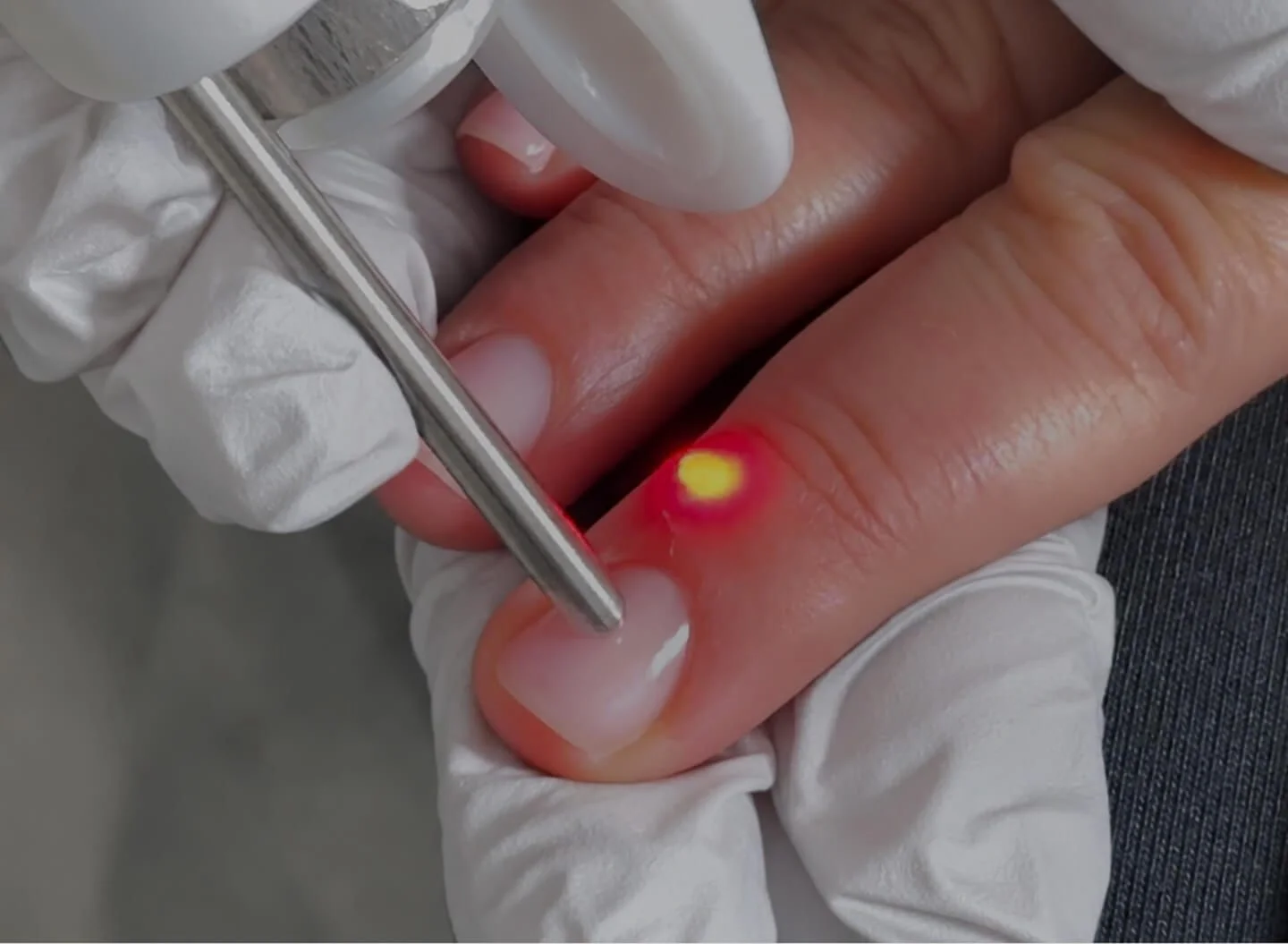
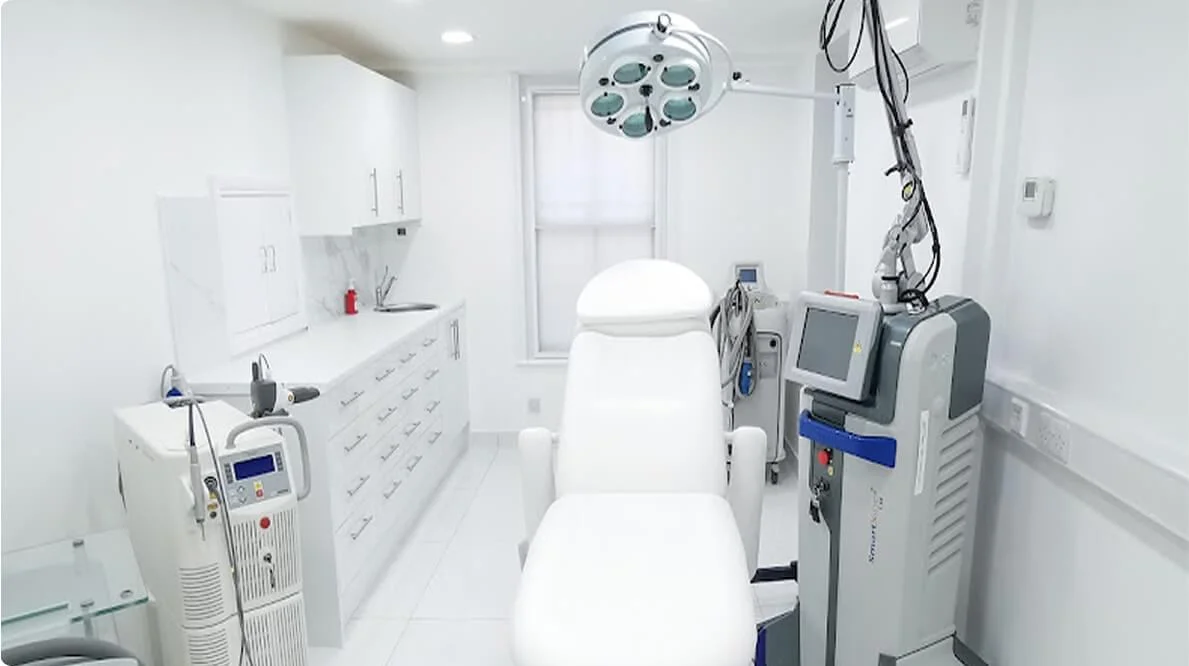
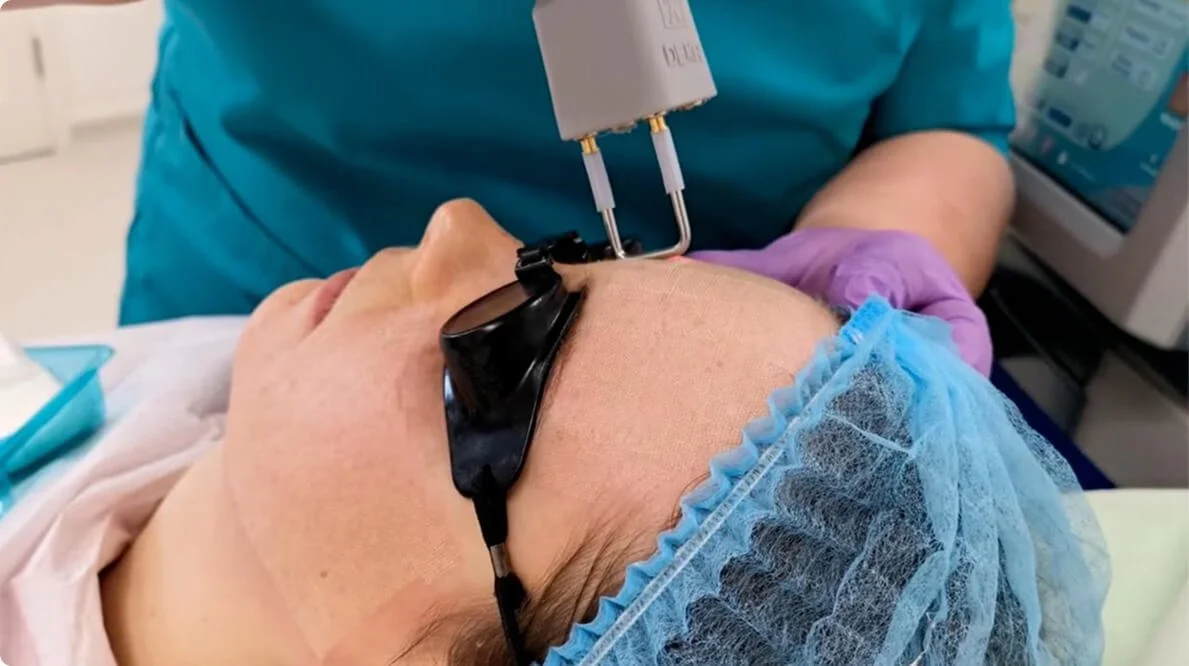
CO2 Fractional Laser
Recommended for:
- Deeper wrinkles
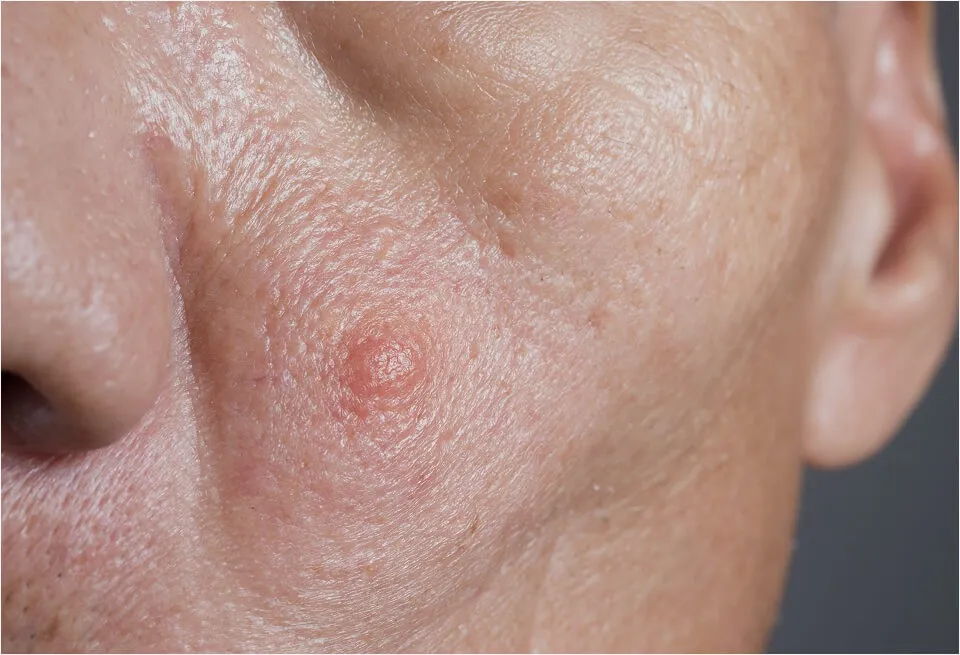
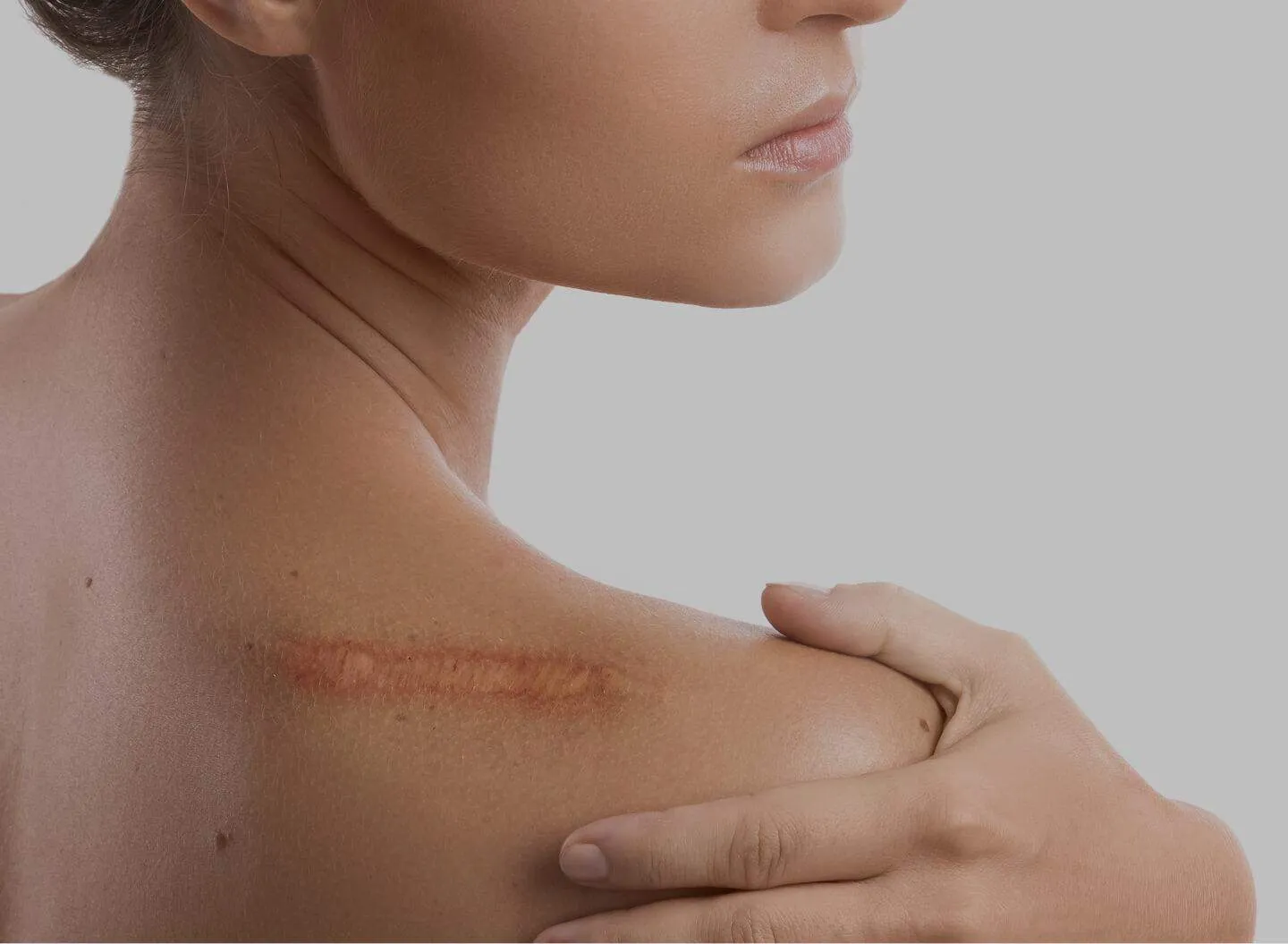
- Acne scarring
- Advanced texture irregularities
- 1–3 sessions
- 5–10 days downtime
- Ongoing collagen remodelling for 3–6 months
Erbium Laser
Recommended for:
- Fine lines
- Surface irregularities
- Pigmentation
- 1–2 sessions
- 4–8 weeks apart
Example 6-Month Treatment Timeline
Month 1–2
→ Polynucleotides
Month 3–4
→ Sunekos or NCTF
Month 5–6
→ Laser resurfacing
This sequencing supports progressive, biologically guided rejuvenation.
Who Is Suitable for the Programme?
- Patients aged 30–65+
- Those preparing for laser treatment
- Individuals seeking structured rejuvenation
- Patients preferring regenerative treatments over filler-based correction
Safety and Medical Governance
Assessment includes:
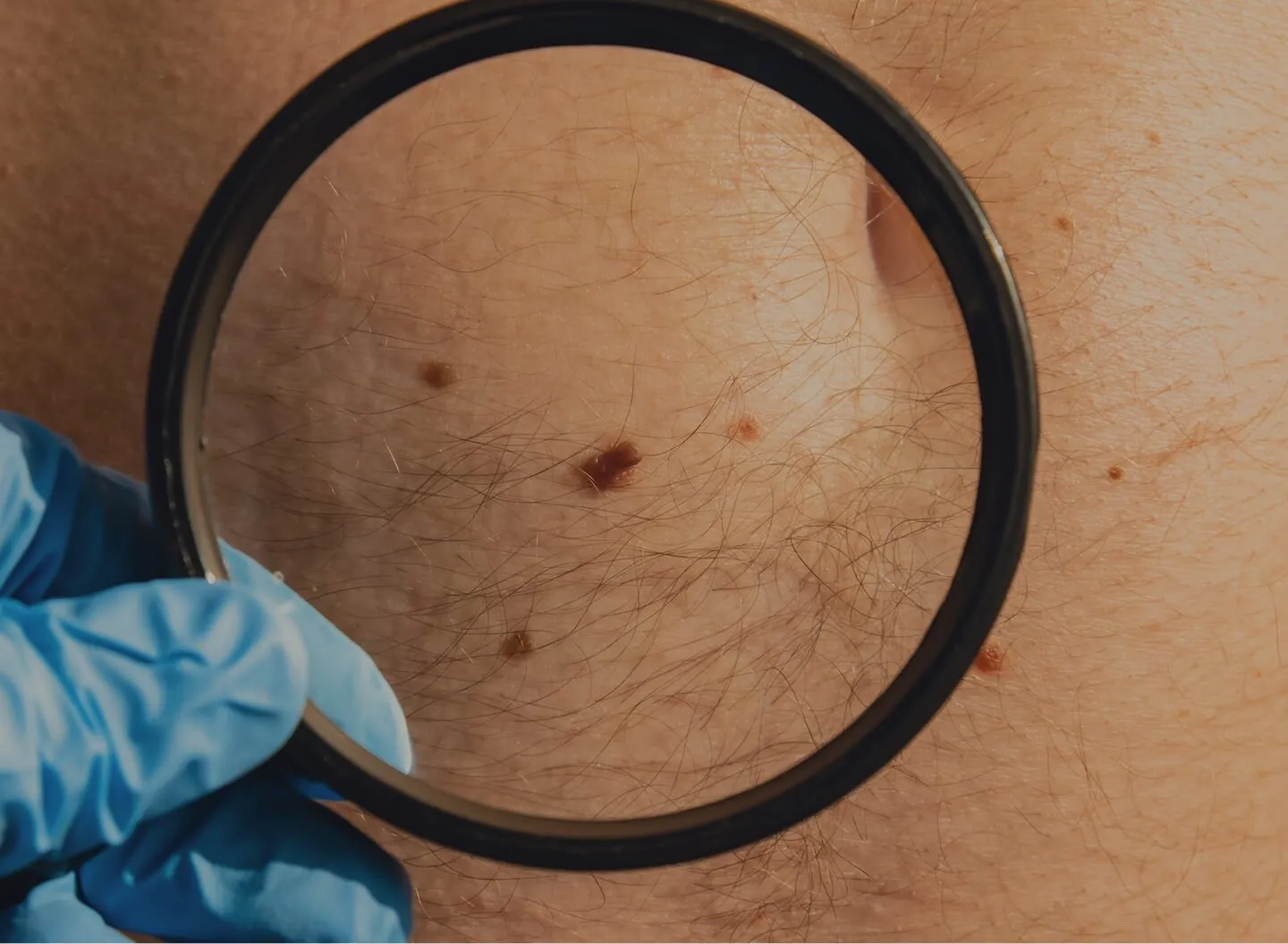
- Skin quality
- Medical history
- Lifestyle factors
- Aesthetic objectives
The clinic follows UK medical and aesthetic standards to ensure proportionate treatment.
How long does the Signature Regenerative Programme take to complete?
The programme is typically delivered over a period of four to six months. This allows sufficient time for dermal conditioning, collagen activation and, where appropriate, laser resurfacing. The staged timeline is intentional, as regenerative treatments require biological response rather than immediate cosmetic change.
Is the programme suitable for all skin types?
Most patients aged 30–65+ experiencing early to moderate signs of ageing may be suitable candidates. However, suitability depends on medical history, skin quality, previous treatments and overall health. A comprehensive in-person consultation is required before commencing any injectable or laser-based treatment.
Will I need time off work?
Downtime depends on the stage of treatment. Injectable phases (polynucleotides, Sunekos, NCTF) typically involve minimal downtime, with possible mild swelling or redness for 24–48 hours. Laser resurfacing (particularly CO2) may require 5–10 days of visible recovery. This will be discussed in detail during consultation so patients can plan accordingly.
Is the programme painful?
Most injectable treatments are well tolerated. Topical anaesthetic may be used where appropriate. Laser procedures may involve temporary discomfort, which is managed with appropriate medical protocols. Patient comfort and safety are prioritised at every stage.
Why is treatment delivered in phases rather than all at once?
The skin responds more predictably when treatments are sequenced biologically. Conditioning the dermis before stimulating collagen or performing resurfacing improves tissue resilience and recovery capacity. Delivering all treatments simultaneously would not support optimal healing or long-term stability.
Are results permanent?
No regenerative treatment can permanently stop the ageing process. However, improvements in skin quality and collagen stimulation may last several months. Maintenance plans can be discussed depending on individual goals and lifestyle factors.
Is this programme a replacement for dermal fillers?
Not necessarily. The Signature Regenerative Programme focuses on skin quality, texture and collagen support. It does not replace structural volume where this may be clinically indicated. During consultation, treatment recommendations are tailored to the individual rather than based on trends.
Is treatment regulated and medically supervised?
Yes. All injectable and laser treatments are carried out in a medical setting. Treatment plans are developed in accordance with UK aesthetic guidelines and evidence-based practice.
Can I undergo this programme if I have previously had fillers or anti-wrinkle injections?
In many cases, yes. Previous treatments will be reviewed during consultation. The programme may be adapted to complement existing treatments while maintaining a natural, proportionate result.
How soon will I see visible improvement?
Some patients notice early improvements in hydration and skin luminosity during the conditioning phase. More significant collagen-related changes typically develop gradually over several months. Regenerative treatments prioritise progressive, natural improvement rather than immediate transformation.
Conclusion
The Signature Regenerative Programme in Tunbridge Wells offers a structured, medically guided pathway to skin rejuvenation.
By preparing, stimulating and resurfacing in the correct sequence, patients can achieve natural improvement without aggressive correction.