

 Treatments











































































Nasolabial Fold Treatment: Why Filler Alone May Not Be Enough
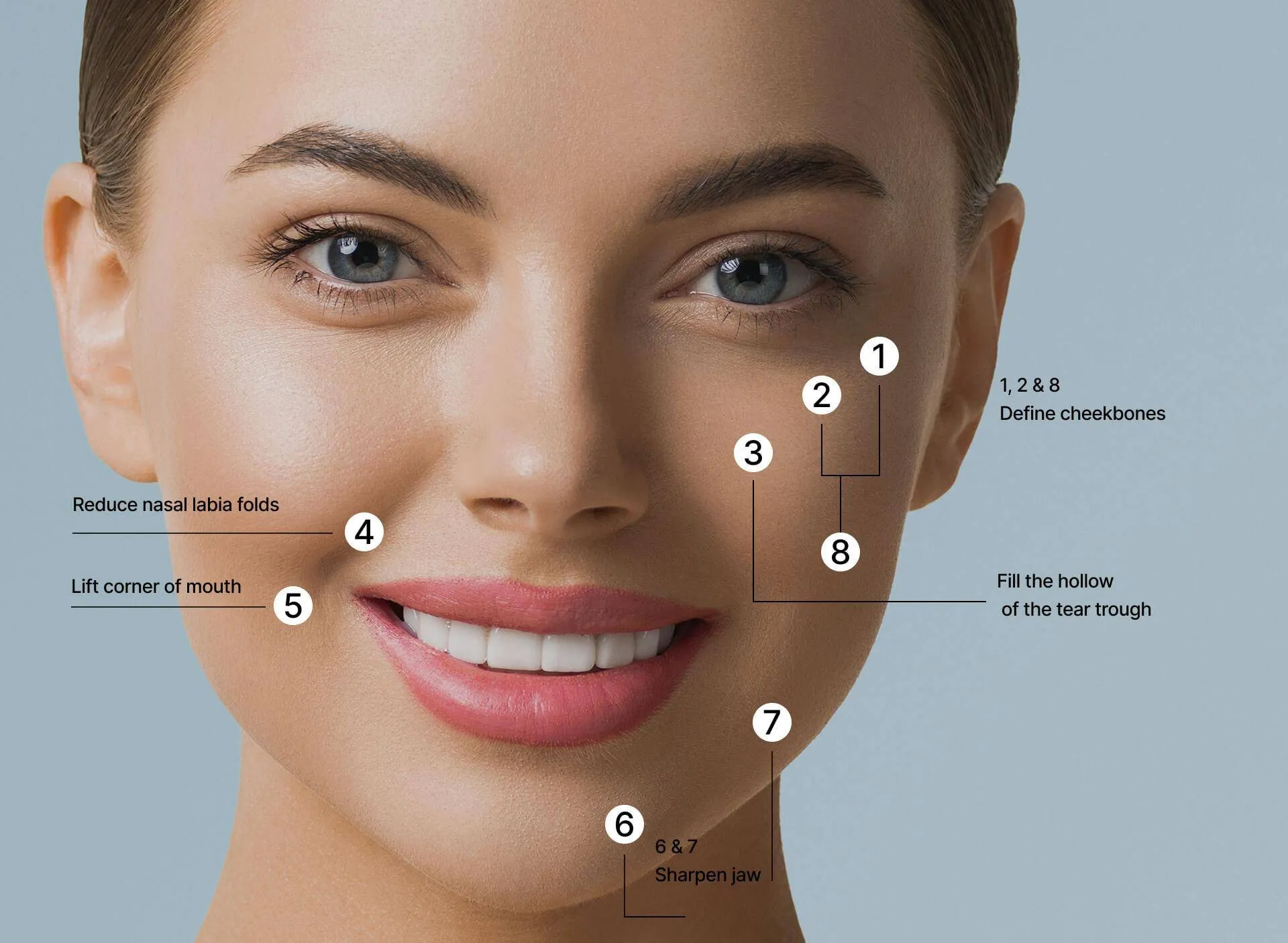
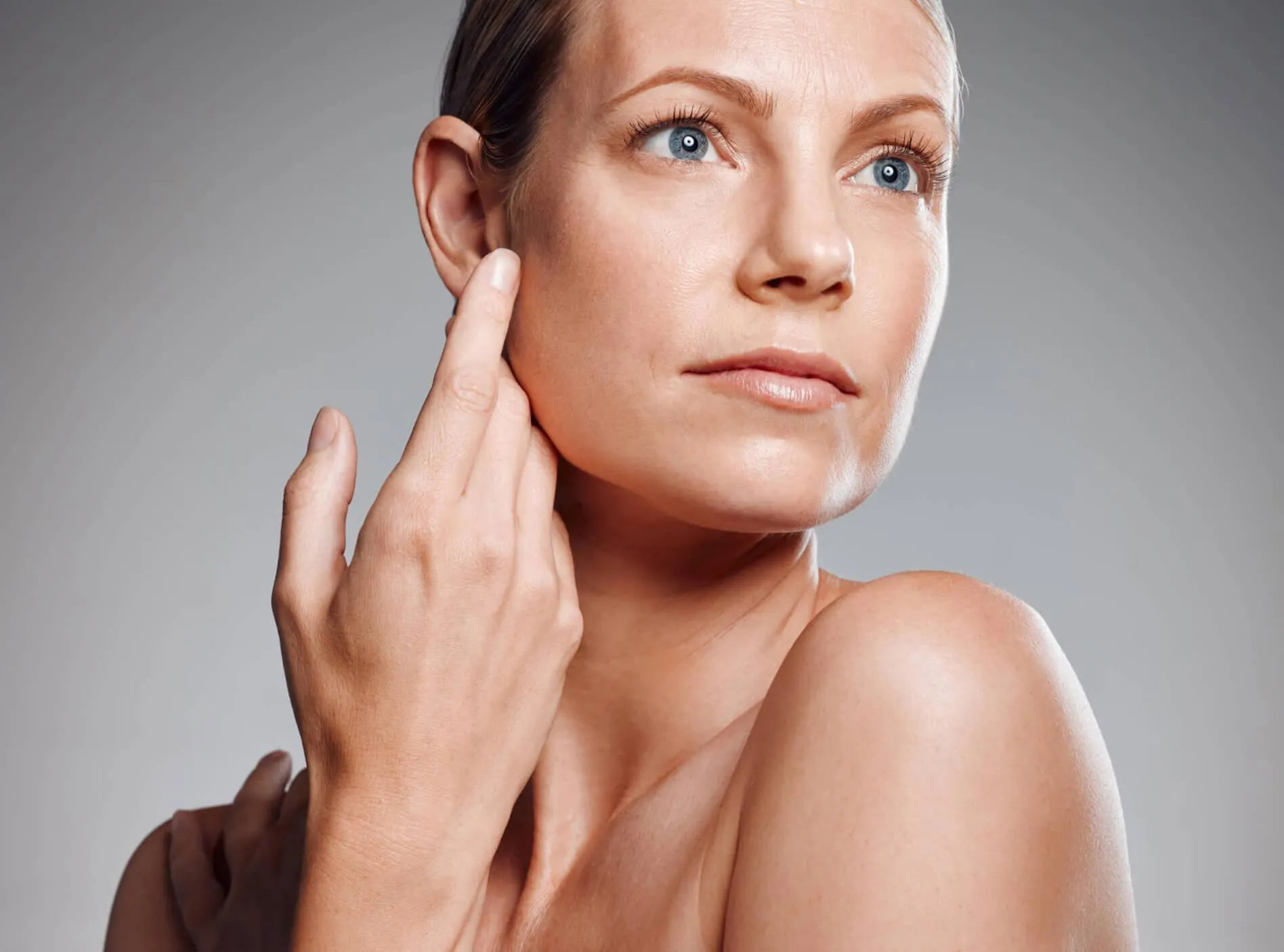
Nasolabial folds, commonly called nose-to-mouth lines, are one of the most frequent concerns patients mention during an aesthetic consultation.
It is understandable to assume that the solution is simply to place dermal filler directly into the visible fold. For some patients, a small amount of carefully selected filler in this area may be appropriate. However, nasolabial folds do not always develop because of volume loss within the line itself.
Their appearance may be influenced by changes in the cheeks, facial fat compartments, muscles, retaining ligaments, skin quality and underlying bone support. This means that treating only the visible crease may not always produce the most balanced or natural-looking result.
Modern facial rejuvenation therefore begins with understanding why the fold has become more noticeable, rather than automatically filling it in isolation.
The Short Answer
Direct nasolabial fold filler can be suitable for some patients, particularly when there is a defined crease or localised loss of support.
However, when the fold is being made more prominent by reduced cheek support, movement of facial fat, skin laxity or wider structural ageing, placing filler only into the line may create unnecessary fullness around the mouth without adequately addressing the contributing anatomy.
A full facial assessment should therefore come before deciding where filler should be placed.
Key Takeaways
- Nasolabial folds are a normal part of facial anatomy and expression.
- They may deepen because of changes occurring across several layers of the face.
- Direct filler is one possible treatment, but it is not automatically the right option for every patient.
- In some cases, restoring appropriate midface or cheek support may soften the fold more naturally.
- Not every patient with nasolabial folds needs cheek filler.
- Treatment should preserve facial movement and individuality rather than attempt to remove every natural line.
- Product choice, injection depth, anatomical knowledge and complication management are important parts of safe treatment planning.

What Are Nasolabial Folds?
Nasolabial folds are the natural lines that extend from each side of the nose towards the corners of the mouth. They separate the cheek from the upper lip and become more visible during smiling and other facial expressions.
They are not automatically a sign that something is wrong or that treatment is needed. Nasolabial folds are present even in younger people and are an important part of normal facial movement.
With age, however, these folds may become deeper, longer or more noticeable at rest. Some patients describe them as heavy smile lines, shadows beside the mouth or lines that make the lower face appear tired.
The objective of treatment should not be to erase every fold. Completely flattening this area can look unnatural and may affect the normal transition between the cheek and mouth.
A more appropriate aim is usually to soften excessive depth, restore facial balance and maintain natural expression.
Why Do Nasolabial Folds Become Deeper With Age?
Nasolabial folds are influenced by several parts of the face. In most patients, there is not one single cause.
Loss of Midface and Cheek Support
The cheek provides important structural support for the central and lower face.
As facial volume changes over time, the midface may appear flatter and the transition between the cheek and mouth may become heavier. This can increase shadowing around the nasolabial area and make the fold appear deeper.
In these cases, placing filler only into the visible crease may not address the wider change in facial support.
Changes in Facial Fat Compartments
Facial fat is organised into separate compartments rather than forming one continuous layer.
Ageing can affect the volume, position and relationship of these compartments. Some areas may lose volume, while others may descend or become more prominent.
These changes can affect the transition between the nose, cheek and mouth, contributing to deeper smile lines.
Facial Muscle Activity
The muscles involved in smiling, raising the upper lip and moving the cheeks influence the shape of the nasolabial fold.
Repeated movement does not mean that facial expression is a problem that needs to be stopped. Natural expression should be preserved. However, muscle activity can be one of several factors contributing to the position and depth of the crease.
Skin and Collagen Changes
Over time, the skin produces less collagen and elastin and may become thinner or less resilient.
Reduced elasticity can make a superficial crease more visible, particularly when combined with volume loss or changes in deeper facial structures.
For patients whose concern is mainly related to skin quality, directly adding volume may not be the only or most appropriate option.
Retaining Ligaments and Bone Support
Facial retaining ligaments help connect the skin and soft tissues to deeper structures.
Changes in ligament support and the underlying facial skeleton can affect how tissues are positioned. Reduced projection in parts of the midface may make the nasolabial fold appear more pronounced.
This is another reason why the fold should be assessed as part of the whole face rather than as an isolated wrinkle.
Not All Nasolabial Folds Are the Same
Different patients develop nasolabial folds for different anatomical reasons.
One published study involving 900 Asian patients proposed five broad anatomical categories. Although this classification should not be treated as a universal diagnostic system for every population, it provides a useful illustration of how varied nasolabial folds can be.
Skin-Dominant Type
The visible line is influenced mainly by superficial skin ageing, reduced elasticity and an etched-in crease.
These patients may need a treatment plan that considers skin quality as well as volume.
Fat Pad-Dominant Type
Changes in facial fat compartments contribute to tissue descent and increased fold visibility.
A wider midface assessment may be more important than simply filling the crease.
Muscular Type
Facial muscle activity plays a significant role in the shape or depth of the fold.
This does not automatically mean that botulinum toxin is the correct treatment. Movement around the mouth is functionally and aesthetically important, so any intervention must be carefully assessed.
Bone Retrusion Type
Reduced skeletal projection or underlying support may contribute to the prominence of the fold.
Treatment in these cases may require consideration of facial proportions rather than correction of the line alone.
Hybrid Type
Several anatomical factors contribute at the same time.
This is common in facial ageing and is one reason why a standard amount of filler placed in the same location will not suit every patient.
Different Visible Patterns of Nasolabial Folds
Clinicians may also describe nasolabial folds according to their visible shape.
A superficial linear fold is usually a fine, shallow line associated with early skin changes.
A deep indented fold appears as a more pronounced depression and may be associated with localised volume deficiency or structural separation.
A gradient fold is characterised by a marked difference in contour between the cheek and the upper lip.
Recognising these different patterns can help determine whether treatment should focus on the skin, the fold itself, the midface or a combination of areas.
Should the Cheeks Be Assessed Before the Nasolabial Fold?
Yes. The cheeks and midface should form part of the assessment before deciding whether direct nasolabial fold filler is appropriate.
The fold does not exist independently from the cheek. Loss or redistribution of midface volume can cause tissues to sit differently, increasing the shadow between the cheek and upper lip.
In suitable patients, carefully restoring cheek or midface support may soften the appearance of the nasolabial fold and reduce the amount of filler needed directly around the mouth.
However, this does not mean that every patient with smile lines should receive cheek filler. Adding unnecessary volume to the cheeks can also create imbalance.
The decision should be based on individual anatomy, facial proportions and the patient’s goals.
Is Direct Nasolabial Fold Filler Ever Appropriate?
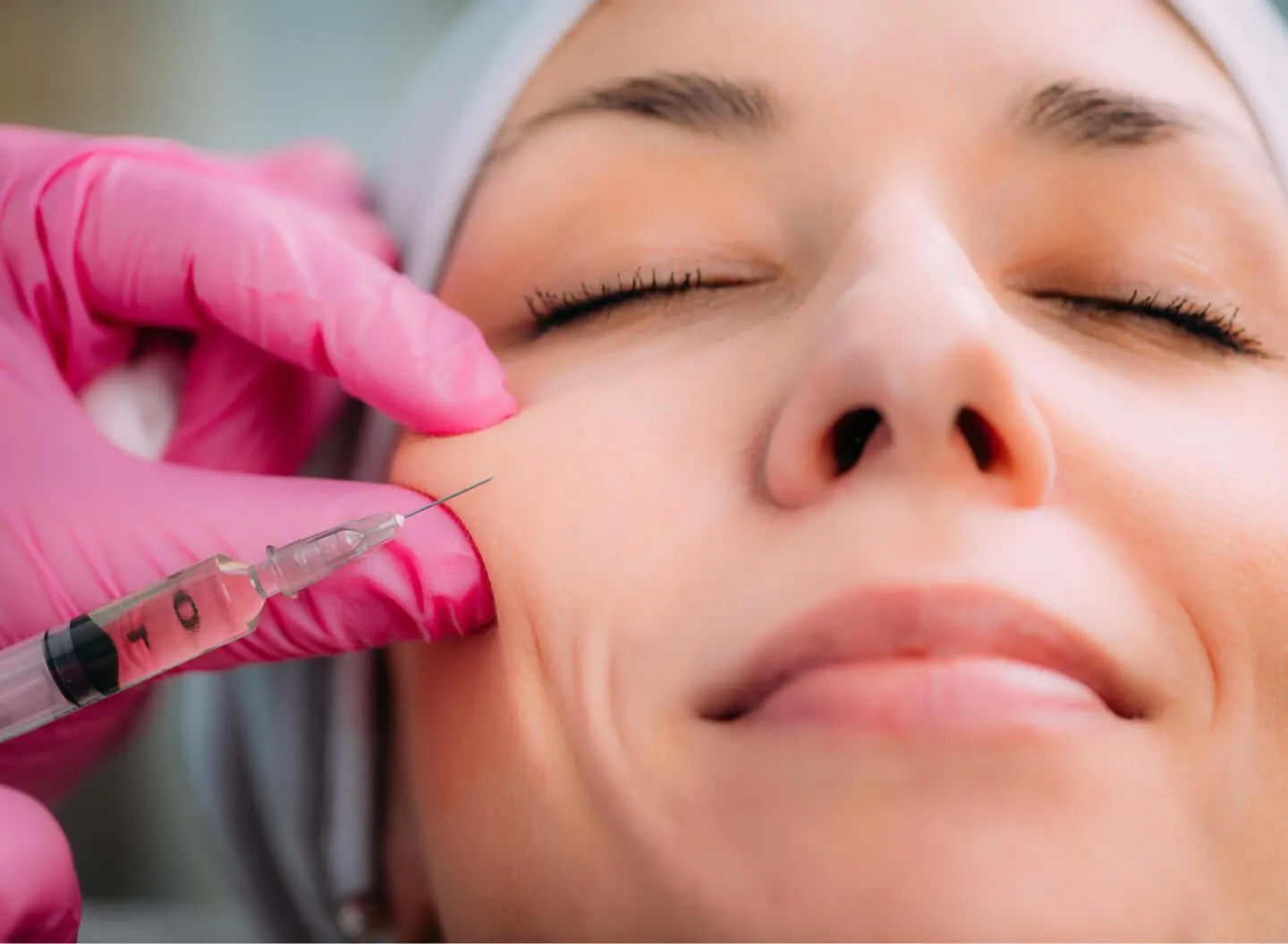
Yes. Direct treatment may be appropriate when the fold contains a defined localised depression or an etched-in line that remains visible after wider facial support has been assessed.
A conservative amount of hyaluronic acid filler may help:
- soften a visible crease
- reduce localised shadowing
- create a smoother transition between the cheek and upper lip
- improve asymmetry between the two sides
- complement treatment in the midface where appropriate
The objective should usually be softening rather than completely flattening the fold.
Why Filling Only the Fold May Not Give the Best Result
When the main contributing factor is midface descent or loss of cheek support, placing filler only into the nasolabial crease may not address the wider anatomical change.
Using too much product directly around the mouth can potentially create:
- excessive fullness beside the nose
- heaviness around the upper lip
- an unnatural or overfilled appearance
- limited improvement in the wider facial proportions
- repeated treatment of the same line without addressing contributing areas
This does not mean that direct filler is inherently wrong. It means that the treatment location and amount should be selected after assessment rather than decided before the consultation.
Nasolabial Fold Filler Versus Cheek Filler
Patients often ask whether cheek filler is better than nasolabial fold filler.
Neither treatment is automatically better. They address different anatomical findings.
Cheek or midface filler may be considered when reduced support is contributing to tissue descent and shadowing around the fold.
Direct nasolabial filler may be considered when there is a localised depression or persistent crease that would benefit from conservative correction.
Some patients may benefit from a combination, while others may not need filler in either area.
A good treatment plan is not based on placing as much product as possible. It is based on identifying the smallest and most appropriate intervention for the patient’s anatomy.

Other Treatments That May Be Considered
Dermal filler is not the only option that may be discussed during a consultation.
Depending on the contributing factors, a personalised treatment plan may consider:
Skin Quality Treatments
Treatments intended to improve hydration, texture, collagen support or skin resilience may be appropriate when superficial ageing is making the crease more noticeable.
Collagen Biostimulators
Collagen-stimulating treatments may be considered for selected patients when the wider concern involves skin firmness, tissue quality or gradual facial rejuvenation.
These treatments do not provide the same immediate correction as hyaluronic acid filler and should not be viewed as interchangeable.
Energy-Based or Laser Treatments
Where skin laxity, texture or photoageing contributes to the appearance of the lower face, an energy-based or laser treatment may form part of a broader plan.
Combination Treatment
Some patients have several contributing factors and may benefit from a staged approach rather than attempting to correct everything in one appointment.
The appropriate sequence should be determined during consultation.
Techniques Used for Nasolabial Fold Correction
The technique used depends on the depth and shape of the fold, facial anatomy, product characteristics and treatment objective.
A clinician may use linear retrograde placement for a superficial line, deeper support for a structural depression or small microbolus placements for precise correction.
These techniques are not interchangeable. The same product, volume and injection depth should not be used for every patient.
The nasolabial region also contains important blood vessels. Detailed anatomical knowledge and the ability to recognise and manage complications are therefore essential.
What Happens During a Consultation?
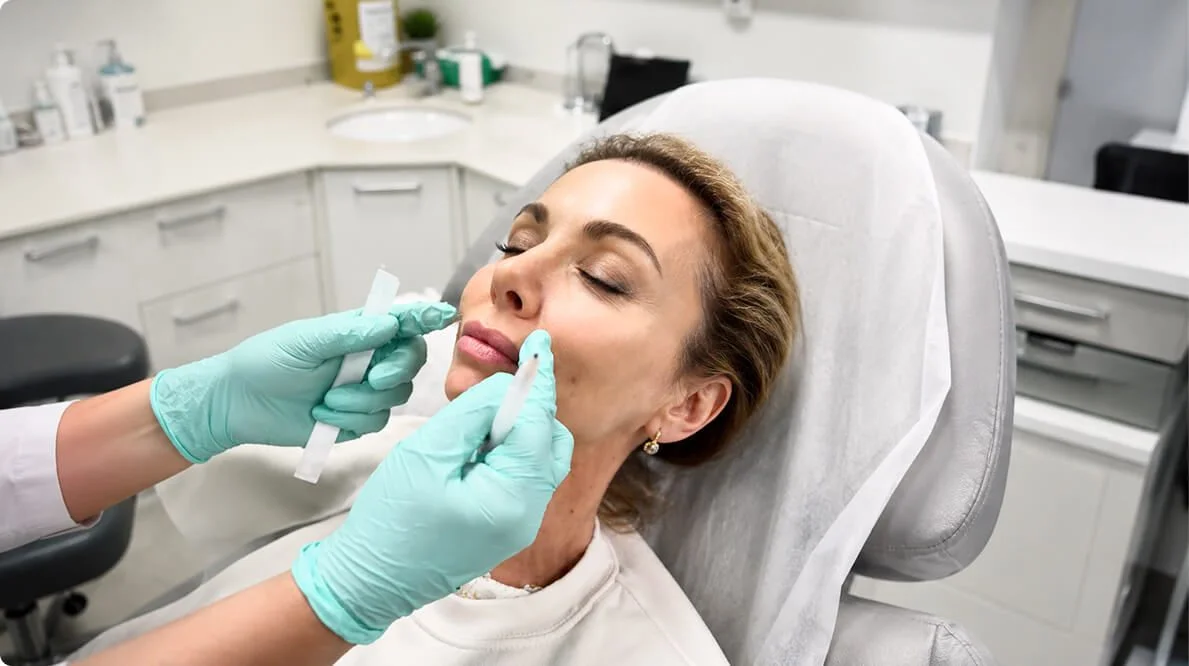
At rtwskin, treatment planning begins with a medical and anatomical assessment rather than a decision to place filler in a predetermined area.
The consultation may include assessment of:
- the nasolabial folds at rest and during expression
- cheek and midface support
- facial symmetry and proportions
- skin thickness and elasticity
- previous filler or aesthetic treatments
- medical history and current medication
- the patient’s expectations
- whether direct filler, treatment elsewhere or no treatment is most appropriate
Photographs may also be taken as part of clinical documentation and treatment planning.
A consultation does not mean that treatment must proceed. In some cases, the most appropriate recommendation may be to leave a natural fold untreated.
Risks and Safety
Hyaluronic acid dermal filler is a medical procedure and is not risk-free.
Temporary effects may include:
- redness
- tenderness
- swelling
- bruising
- temporary asymmetry
- lumps or irregularity
Less common complications may include infection, delayed inflammation or product-related reactions.
A rare but serious complication is vascular occlusion, which occurs when blood flow through a vessel is restricted. The nasolabial area contains branches of the facial and angular arteries, making anatomical knowledge particularly important.
Severe or increasing pain, blanching, unusual skin discolouration or visual symptoms following filler treatment require urgent medical assessment.
Patients should choose a medically qualified practitioner who understands facial anatomy and has an appropriate protocol for recognising and managing complications.


Natural-Looking Nasolabial Fold Treatment in Tunbridge Wells
At rtwskin in Royal Tunbridge Wells, nasolabial fold treatment is planned within the context of the whole face.
The objective is not to remove every smile line or change the patient’s natural expression. Treatment is designed to soften excessive shadowing or loss of support while maintaining facial balance and individuality.
Patients visit the clinic from Tunbridge Wells, Kent, Crowborough and surrounding areas for medically led assessment of nasolabial folds, cheek volume and wider facial ageing concerns.
The treatment recommended may involve conservative dermal filler, wider midface support, improvement of skin quality, a staged combination plan or no injectable treatment at all.
Address the Contributing Anatomy, Not Only the Visible Line
Modern aesthetic medicine has moved beyond treating every line as an isolated problem.
Nasolabial folds are influenced by the relationship between the cheek, skin, muscles, fat compartments, ligaments and bone structure. The most appropriate treatment therefore depends on understanding which of these factors is contributing most strongly for the individual patient.
For some patients, direct nasolabial fold filler may provide an appropriate and subtle improvement. For others, supporting the midface, improving skin quality or choosing not to treat the fold directly may produce a more balanced result.
The aim is not to chase every line. It is to make careful, proportionate decisions based on anatomy, safety and the patient’s longer-term goals.
Book a Consultation
If you are concerned about nasolabial folds, smile lines or changes in the lower face, arrange a consultation at rtwskin in Tunbridge Wells.
A medical assessment can help identify why the folds have become more visible and whether direct filler, midface support, skin quality treatment or another approach may be suitable.
What is the best treatment for nasolabial folds?
There is no single best treatment for every patient. The appropriate option depends on whether the fold is mainly influenced by a localised crease, loss of midface support, skin ageing, muscle activity or a combination of factors.
Is filler good for nasolabial folds?
Hyaluronic acid filler can help soften nasolabial folds in suitable patients. However, the fold should be assessed as part of the whole face before deciding where filler should be placed.
Is cheek filler better than nasolabial fold filler?
Not necessarily. Cheek filler may be more appropriate when reduced midface support is contributing to the fold. Direct nasolabial filler may be suitable for a localised depression. Some patients may benefit from both, while others may need neither.
Can filling nasolabial folds make the face look puffy?
Using too much filler or treating the fold without considering the surrounding anatomy can create unwanted fullness around the mouth. Conservative treatment and correct product placement help reduce this risk.
Can Botox treat nasolabial folds or smile lines?
Botulinum toxin is not usually the primary treatment for nasolabial folds because these folds are commonly influenced by structural support and volume rather than muscle activity alone. Muscles around the mouth are important for expression and function, so treatment in this area requires particular caution.
Can creams remove nasolabial folds?
Skincare may improve hydration, texture and the appearance of superficial fine lines. However, creams cannot restore deeper facial volume or structural support. A consultation can help determine whether the concern is mainly related to the skin or deeper facial anatomy.
What happens if nasolabial fold filler goes wrong?
Possible problems include excessive fullness, asymmetry, lumps, migration, infection or, rarely, vascular occlusion. Patients should contact their treating clinic if they are concerned. Severe pain, blanching, unusual discolouration or visual symptoms require urgent medical assessment.
About the Author
Dr Nina Sheffield, MD, BSc, is Director of rtwskin, a medical aesthetics and dermatology clinic in Royal Tunbridge Wells.
She has more than 20 years of experience in aesthetic medicine, facial rejuvenation, injectable treatments, skin health and laser-based procedures.
Her approach focuses on understanding facial anatomy, avoiding unnecessary treatment and creating personalised plans that preserve natural expression and facial individuality.
References
- Hur MS, O J, Yang HM, et al. Heights and spatial relationships of the facial muscles acting on the nasolabial fold by dissection and three-dimensional microcomputed tomography. PLoS ONE. 2020;15(8):e0237043. doi 10.1371/journal.pone.0237043.
- Hong GW, Song S, Park SY, et al. Why Do Nasolabial Folds Appear? Exploring the Anatomical Perspectives and the Role of Thread-Based Interventions. Diagnostics. 2024;14(7):716. doi 10.3390/diagnostics14070716. Used here for anatomical context.
- Ugradar S, Kim JS, Massry G. A Review of Midface Aging. Ophthalmic Plast Reconstr Surg. 2023;39(2):123–131. doi 10.1097/IOP.0000000000002282.
- Zhang L, Tang MY, Jin R, et al. Classification of nasolabial folds in Asians and the corresponding surgical approaches: By Shanghai 9th People’s Hospital. J Plast Reconstr Aesthet Surg. 2015;68(7):914–919. doi 10.1016/j.bjps.2015.03.023.
- Goodier M, Elm K, Wallander I, Zelickson B, Schram S. A randomized comparison of the efficacy of low volume deep placement cheek injection vs. mid- to deep dermal nasolabial fold injection technique for the correction of nasolabial folds. J Cosmet Dermatol. 2014;13(2):91–98. doi 10.1111/jocd.12091.
- Mowlds DS, Lambros V. Cheek Volumization and the Nasolabial Fold. Plast Reconstr Surg. 2018;141(5):1124–1129. doi 10.1097/PRS.0000000000004341.
- Signorini M, Liew S, Sundaram H, et al. Global Aesthetics Consensus: Avoidance and Management of Complications from Hyaluronic Acid Fillers—Evidence- and Opinion-Based Review and Consensus Recommendations. Plast Reconstr Surg. 2016;137(6):961e–971e. doi 10.1097/PRS.0000000000002184.
- US Food and Drug Administration. Dermal Fillers Soft Tissue Fillers. Accessed 9 September 2026. Cited for general risk information, not UK product authorisation.
- Cleveland Clinic. Marionette Lines. Updated 18 May 2022. Used for the distinction between marionette lines and nasolabial folds.