 Treatments
























































What Does CO₂ Laser Resurfacing Do Beyond Reducing Wrinkles?
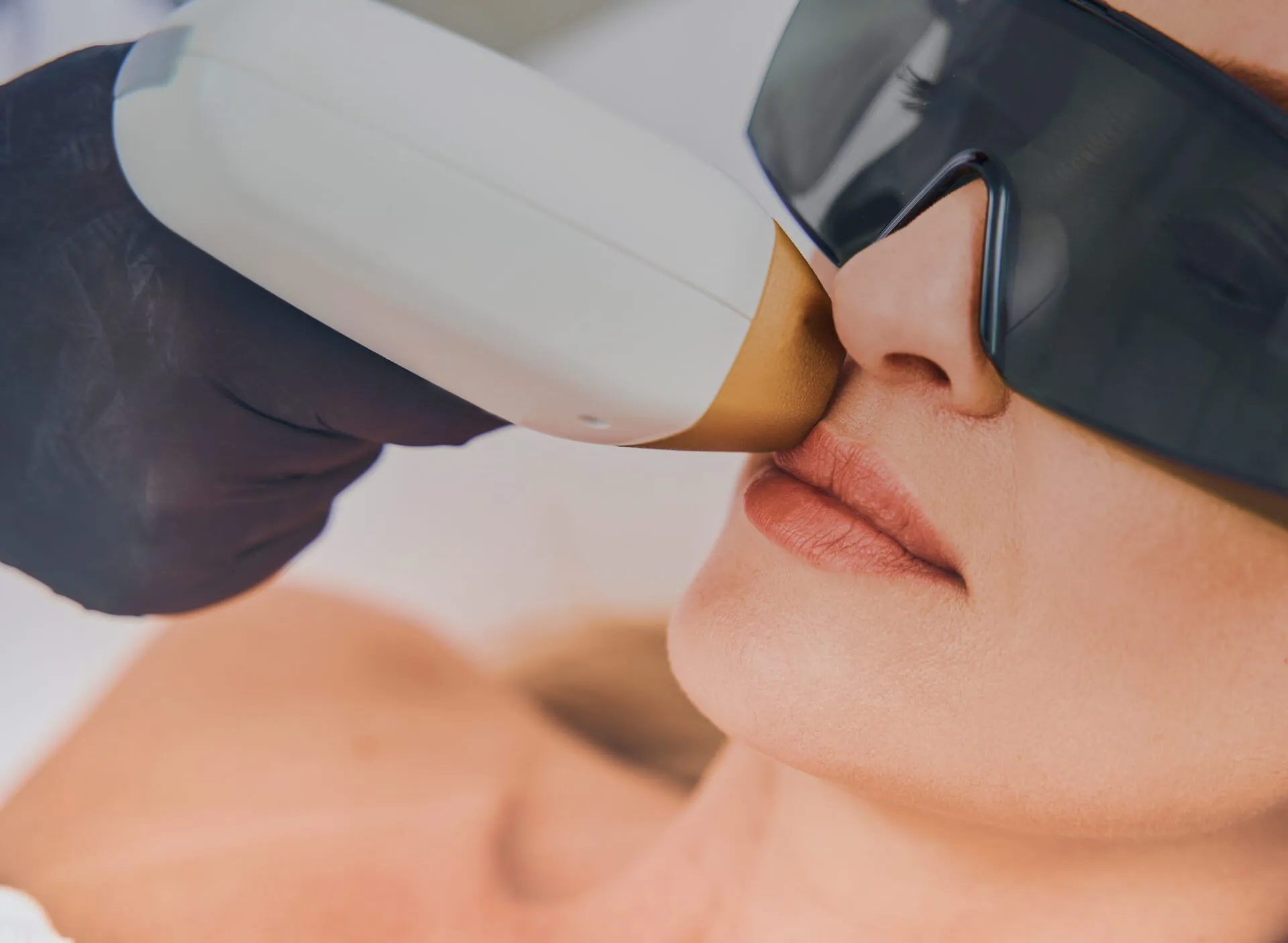
For more than two decades, I have used CO₂ laser resurfacing to treat wrinkles, acne scarring, sun-damaged skin and other visible signs of skin ageing.
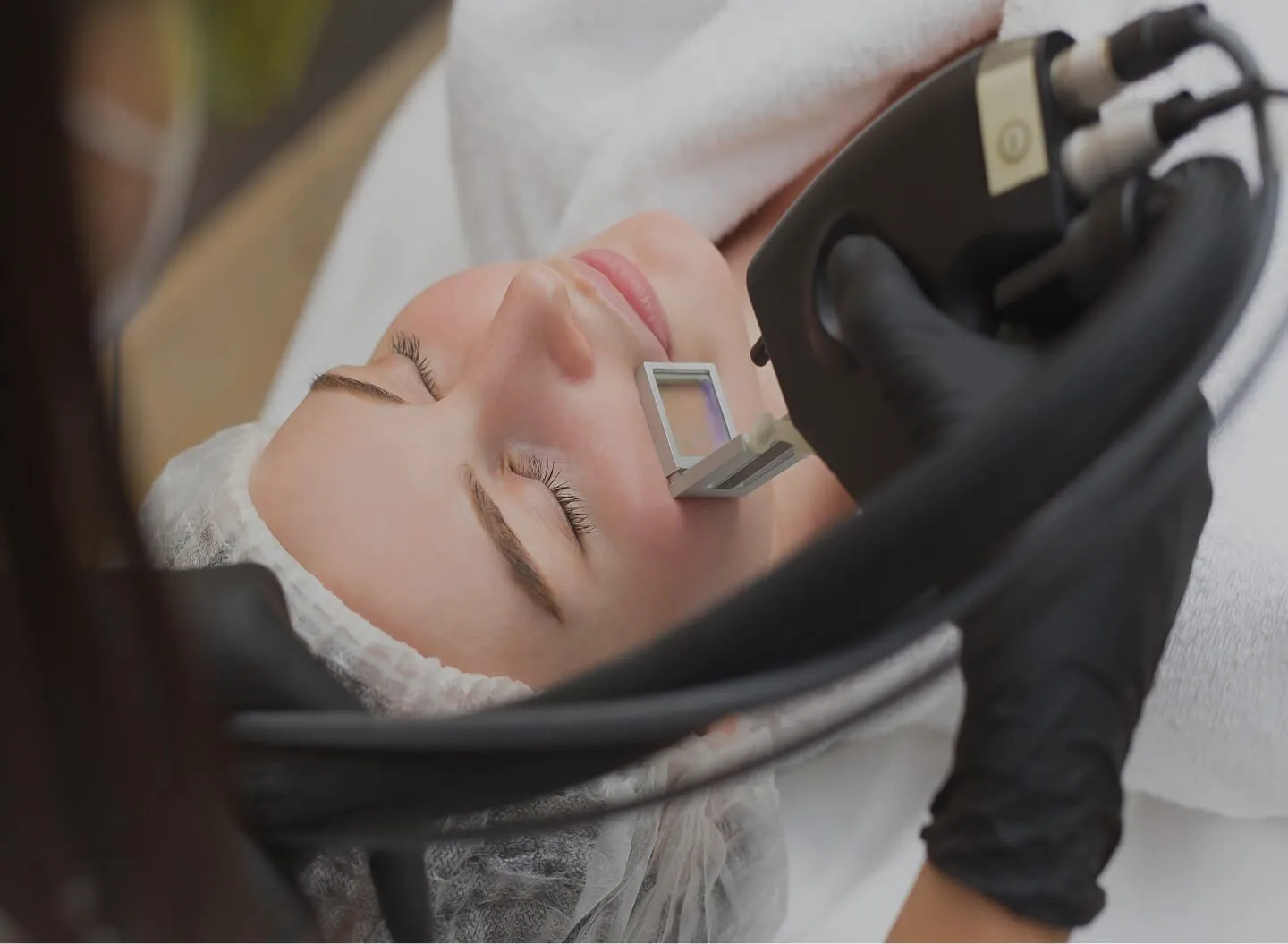
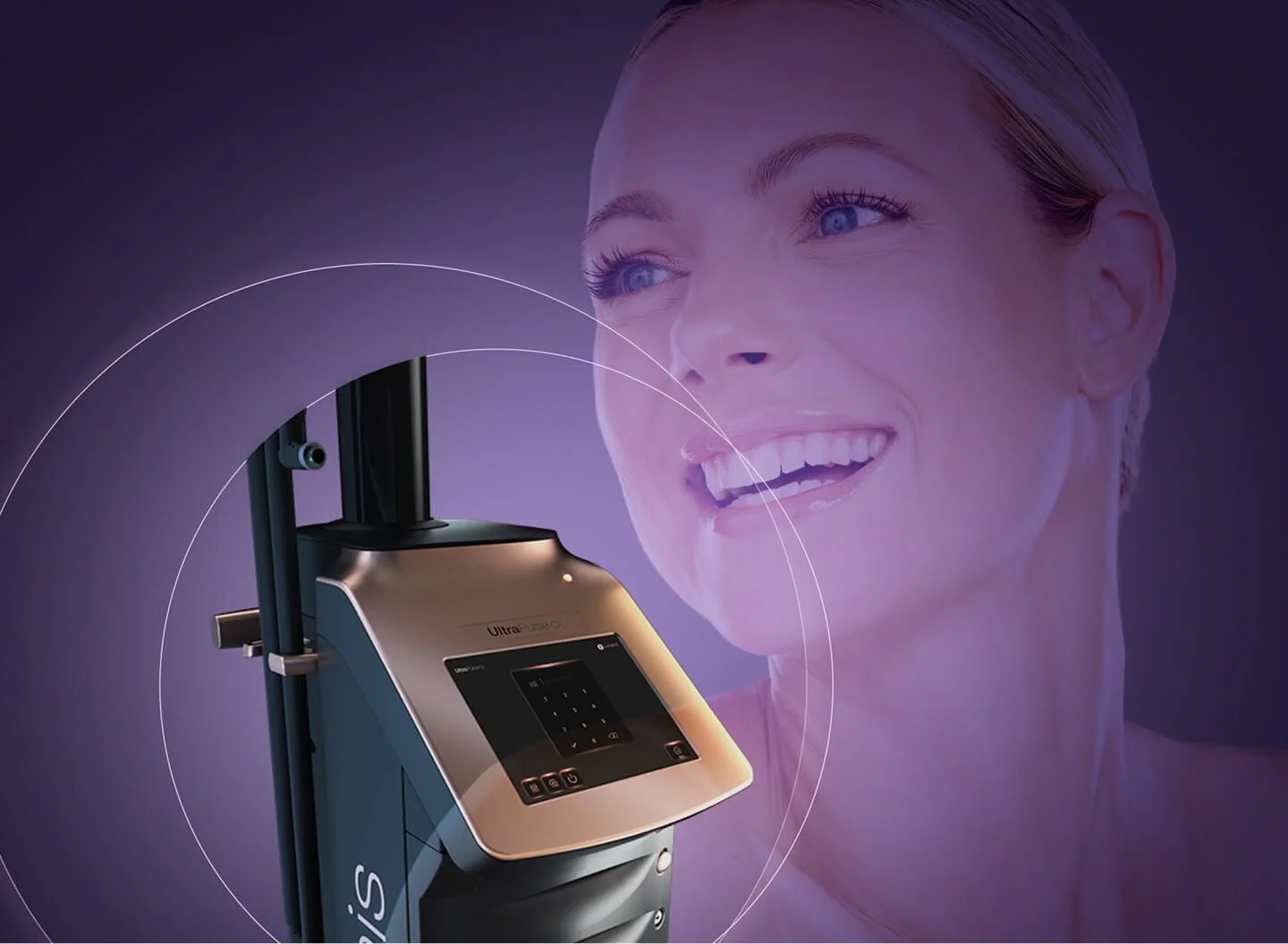
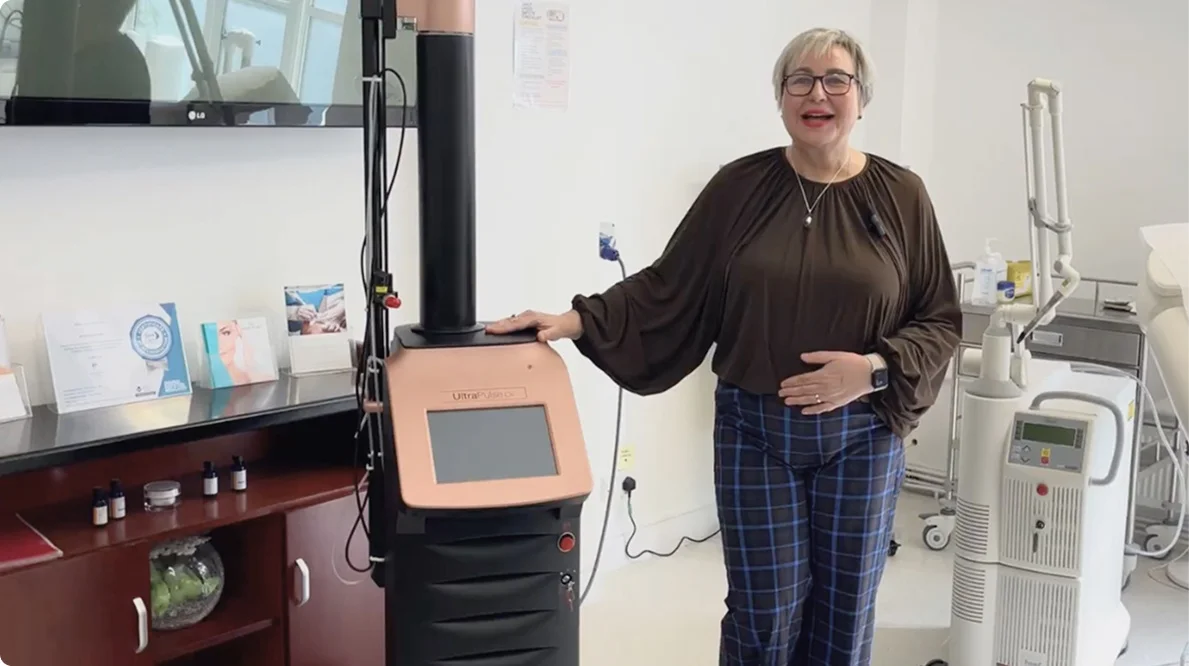
During that time, I have worked with several generations of medical CO₂ laser technology. At rtwskin, I currently use the Lumenis UltraPulse Alpha, which provides a range of treatment settings that can be adjusted according to the patient’s skin, concern, treatment area and acceptable recovery time.
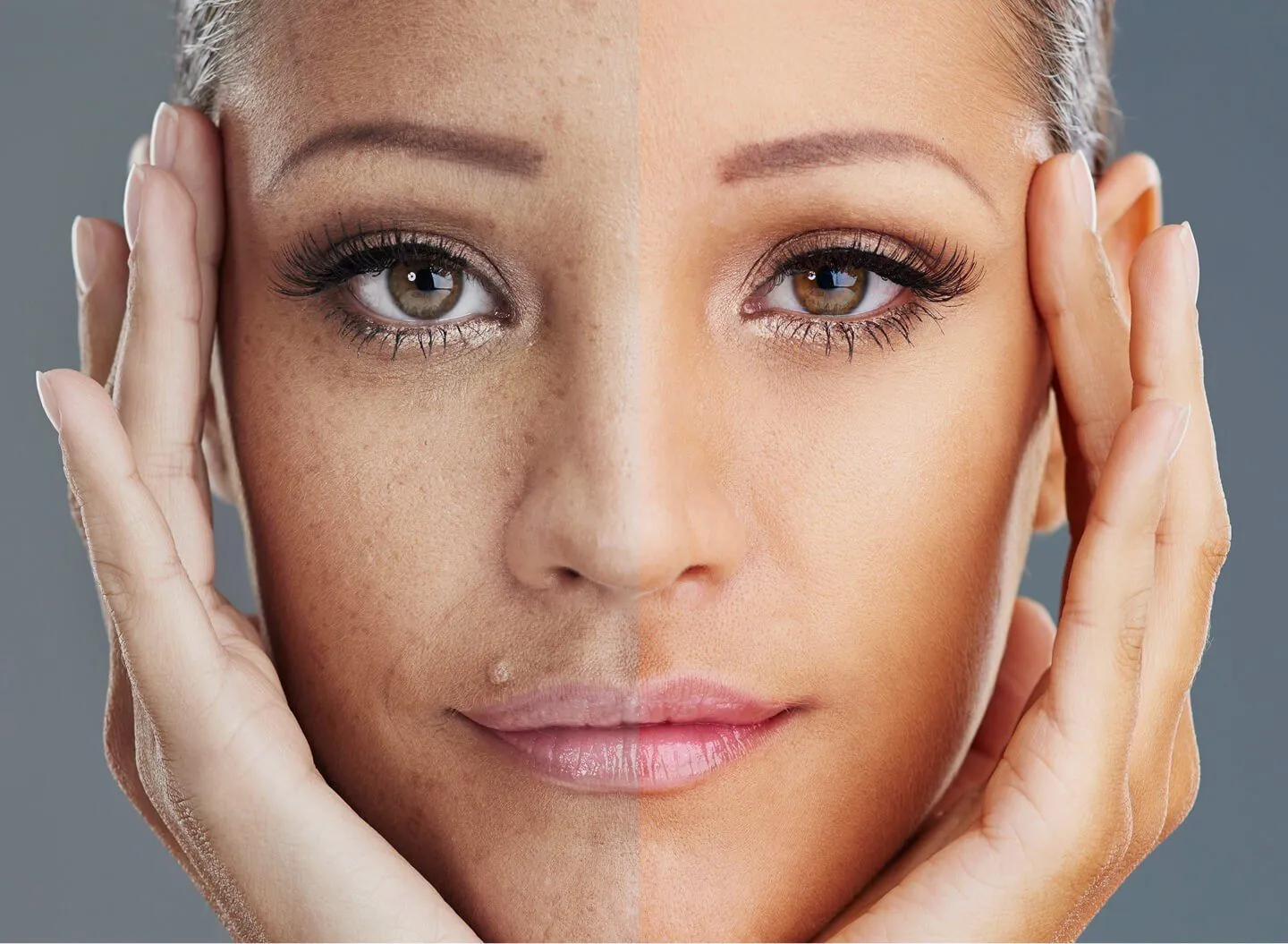
Although CO₂ laser resurfacing is often described as a wrinkle treatment, its effects are not limited to individual lines. It may also improve skin texture, acne scars, areas of photoageing, uneven pigmentation and overall skin quality.
More recent scientific research is also examining how laser-induced wound healing affects biological processes within the skin. These findings are interesting, but they need to be interpreted carefully. CO₂ laser resurfacing should not be described as reversing biological ageing, repairing all DNA damage or preventing skin cancer.
The Short Answer
CO₂ laser resurfacing does more than soften wrinkles.
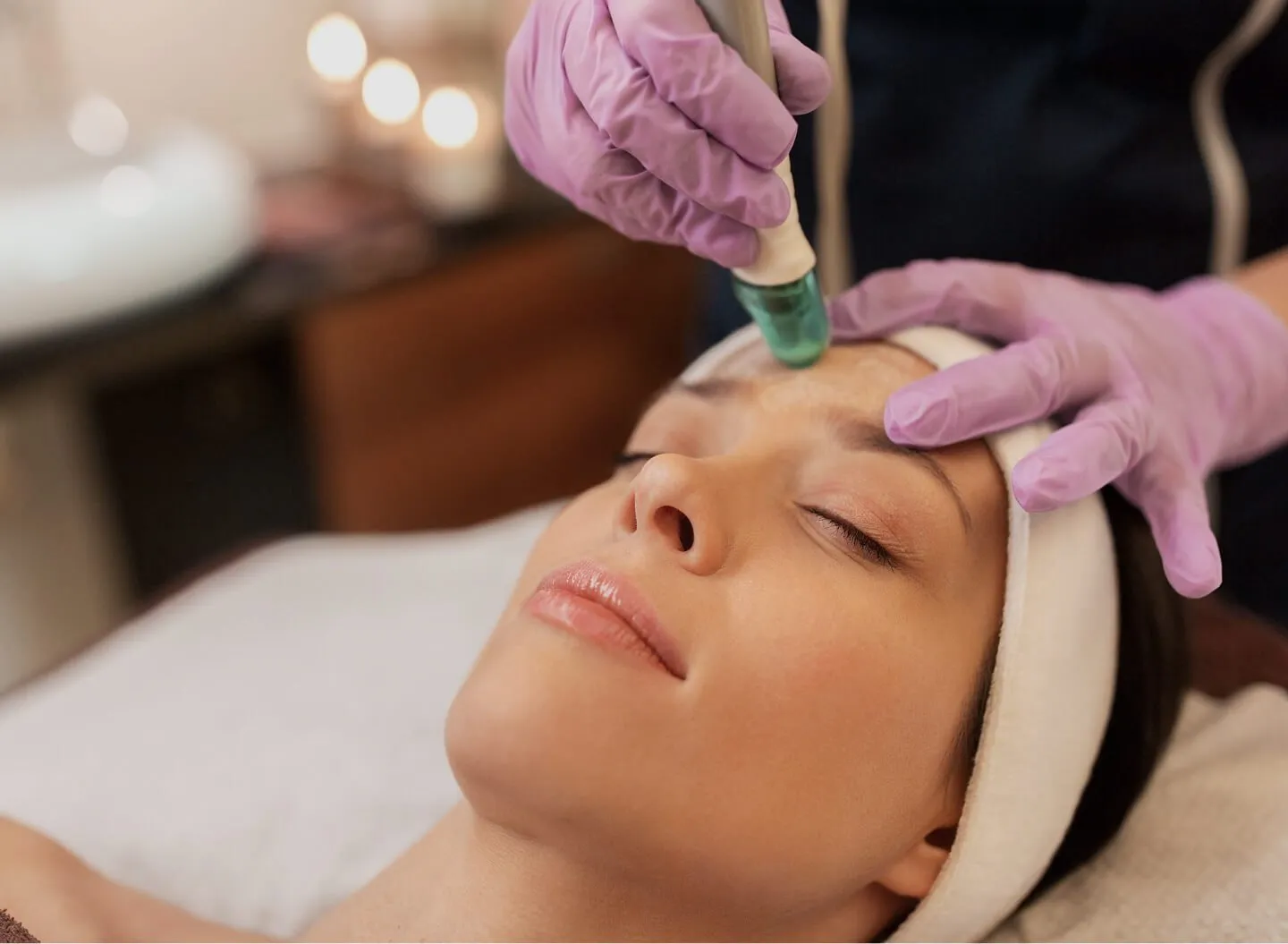
The treatment creates a controlled injury in the skin, removing or disrupting selected areas of damaged tissue while stimulating a healing response in the surrounding skin. This response includes the production and reorganisation of collagen.
Depending on the treatment plan, fractional CO₂ laser resurfacing may help improve:
- fine lines and deeper wrinkles
- acne scars and some other types of scarring
- rough or uneven texture
- sun-damaged skin
- areas of uneven pigmentation
- enlarged-looking pores
- crepey skin
- overall firmness and skin quality
Improvements may continue to develop after the surface has healed because collagen remodelling takes place gradually over the following months.
Key Takeaways
- CO₂ laser resurfacing is not only a wrinkle treatment.
- It can address several aspects of skin damage and ageing within one treatment plan.
- Fractional treatment leaves areas of untreated skin between the laser columns, helping the skin repair itself.
- Visible healing and deeper collagen remodelling occur on different timelines.
- Some patients may notice meaningful improvement after one procedure, while others need a course or staged treatment.
- More intensive settings can produce greater tissue remodelling but usually involve more downtime and risk.
- Emerging molecular research is promising but does not prove that CO₂ laser prevents cancer or reverses biological ageing.
- Suitability and laser settings must be assessed individually.

What Is CO₂ Laser Resurfacing?
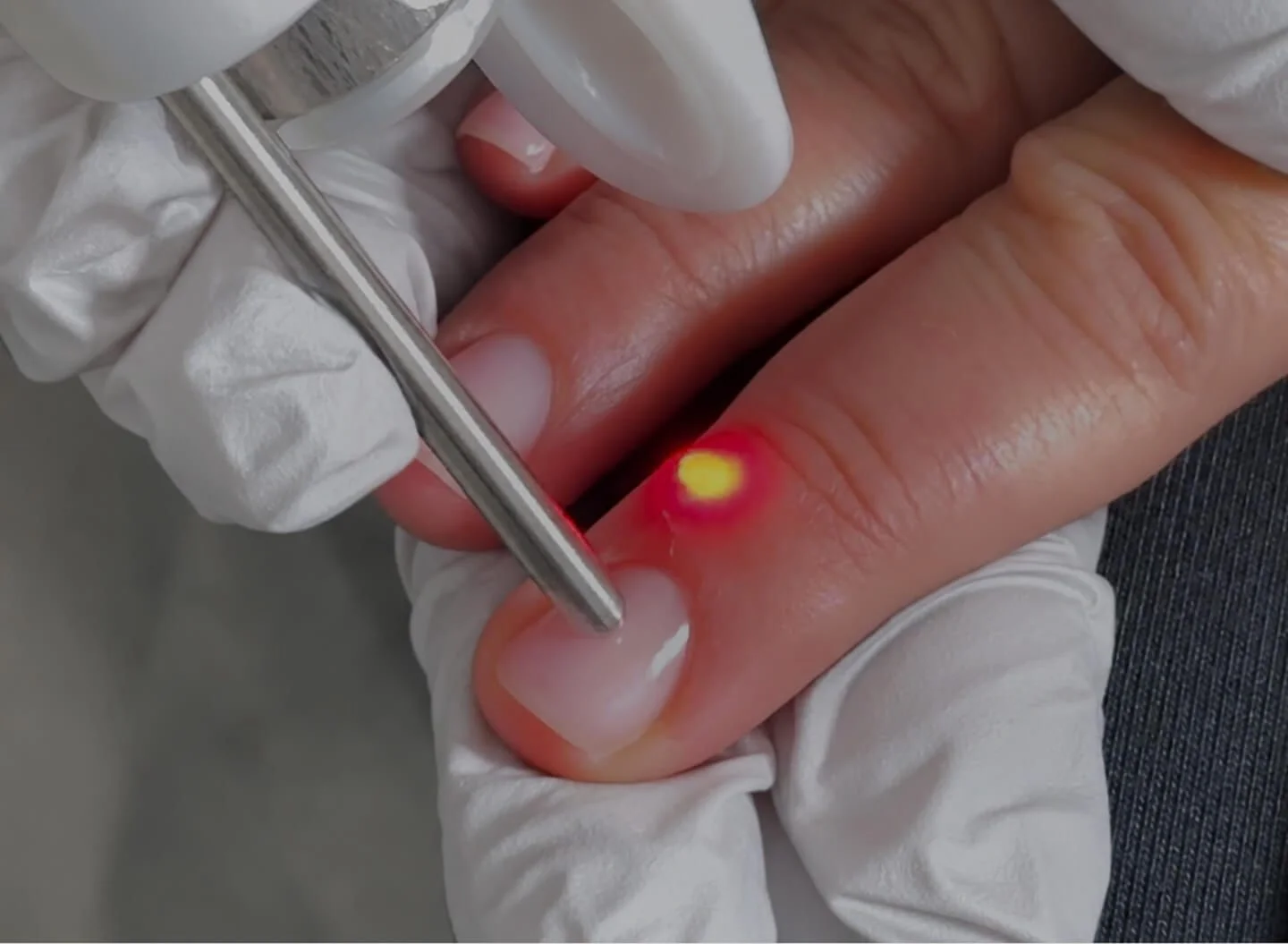
CO₂ laser resurfacing is an ablative laser treatment that uses a wavelength strongly absorbed by water within the skin.
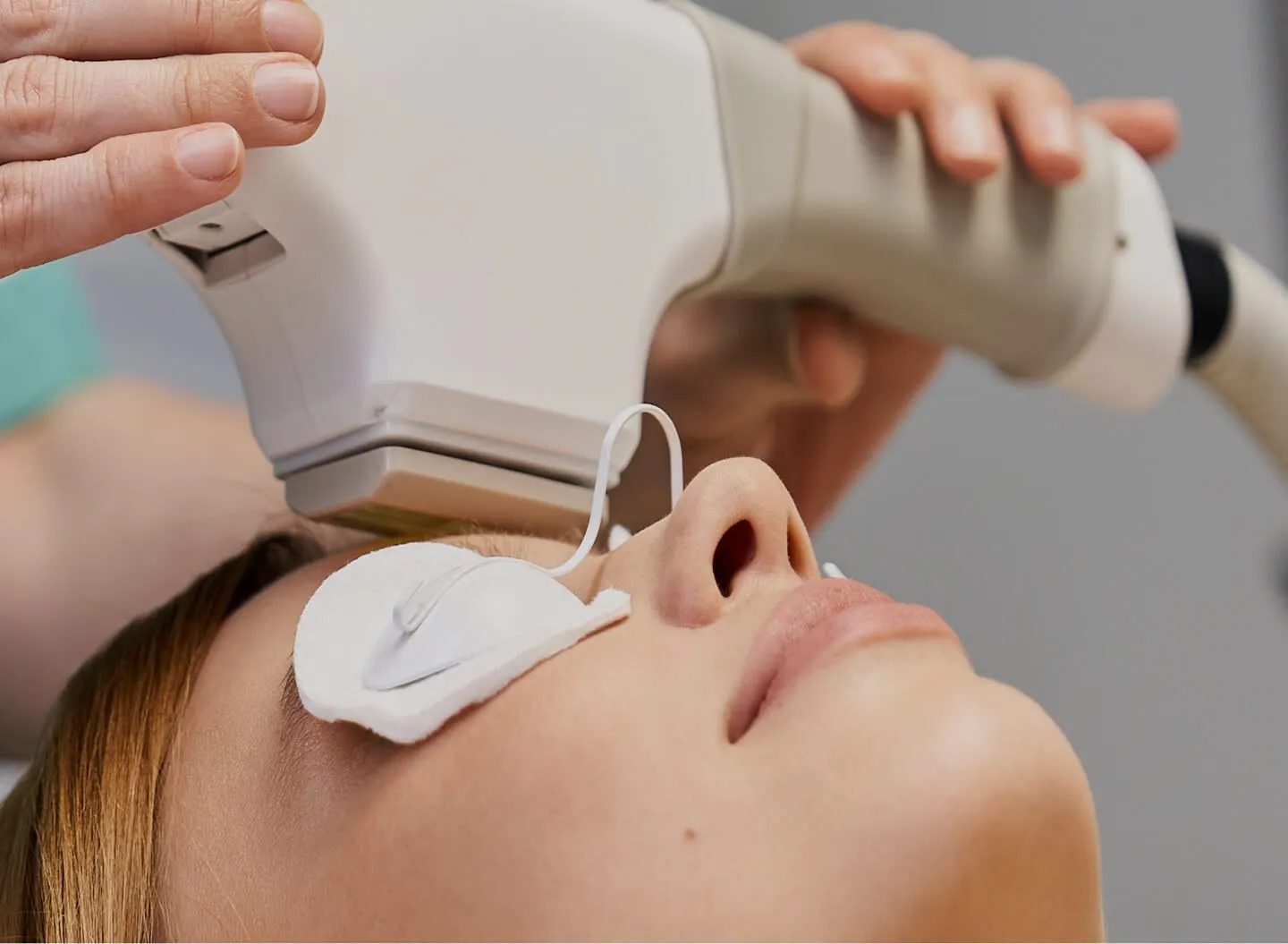
When the laser energy is delivered to the treatment area, it creates controlled microscopic zones of ablation and thermal effect. The body then begins a wound-healing response that replaces damaged surface tissue and remodels collagen within the dermis.
Traditional fully ablative resurfacing treats the entire skin surface within the selected area. Fractional CO₂ laser resurfacing treats the skin in a pattern of microscopic columns, leaving surrounding areas intact.
These untreated areas can support healing while still allowing the clinician to achieve meaningful resurfacing and collagen stimulation.
How Does Fractional CO₂ Laser Resurfacing Work?
The treatment works through two related processes.
Surface Resurfacing
The laser removes small areas of damaged or irregular surface tissue. As the epidermis repairs itself, the skin may appear smoother and more even.
This part of the treatment may help improve:
- rough texture
- superficial pigmentation
- visible sun damage
- fine lines
- enlarged-looking pores
- uneven skin tone
Deeper Collagen Remodelling
The controlled thermal effect extends into the dermis, where it initiates a healing response.
Fibroblasts and other cells involved in tissue repair contribute to the formation and reorganisation of collagen. This process occurs gradually, which is why the final result cannot be judged immediately after the initial redness and peeling have settled.
The exact depth and density of treatment depend on the indication, device settings, treatment area and individual skin characteristics.
What Can CO₂ Laser Resurfacing Treat?
Wrinkles and Fine Lines
CO₂ laser resurfacing is commonly used to soften fine lines and deeper wrinkles, particularly in areas where skin texture and collagen loss are important contributing factors.
Common treatment areas may include:
- around the eyes
- around the mouth
- cheeks
- forehead
- full face
- selected areas of the neck or décolletage, where appropriate
It does not reposition deeper facial tissues in the same way as surgery, and it does not replace volume lost from facial fat or bone.
Acne Scars
Fractional CO₂ laser may improve some atrophic acne scars by creating controlled columns of injury and stimulating remodelling within scarred tissue.
Not every acne scar responds in the same way. Rolling, boxcar and ice-pick scars have different structures and may require different treatment combinations.
Some patients may need subcision, targeted scar procedures, microneedling, injectable treatment or a staged combination approach rather than laser treatment alone.
Sun-Damaged Skin
Repeated ultraviolet exposure can contribute to:
- uneven pigmentation
- rough texture
- fine lines
- reduced elasticity
- areas of visible photoageing
CO₂ laser resurfacing can remove selected damaged surface tissue and support collagen remodelling. However, it does not make the skin resistant to future ultraviolet exposure.
Daily high-SPF sun protection remains essential before and after treatment.
Uneven Texture and Enlarged-Looking Pores
By resurfacing the epidermis and stimulating collagen remodelling, the treatment may create a smoother and more refined skin surface.
Pores cannot be permanently removed, but their appearance may become less noticeable when the surrounding skin texture and collagen support improve.
Scars
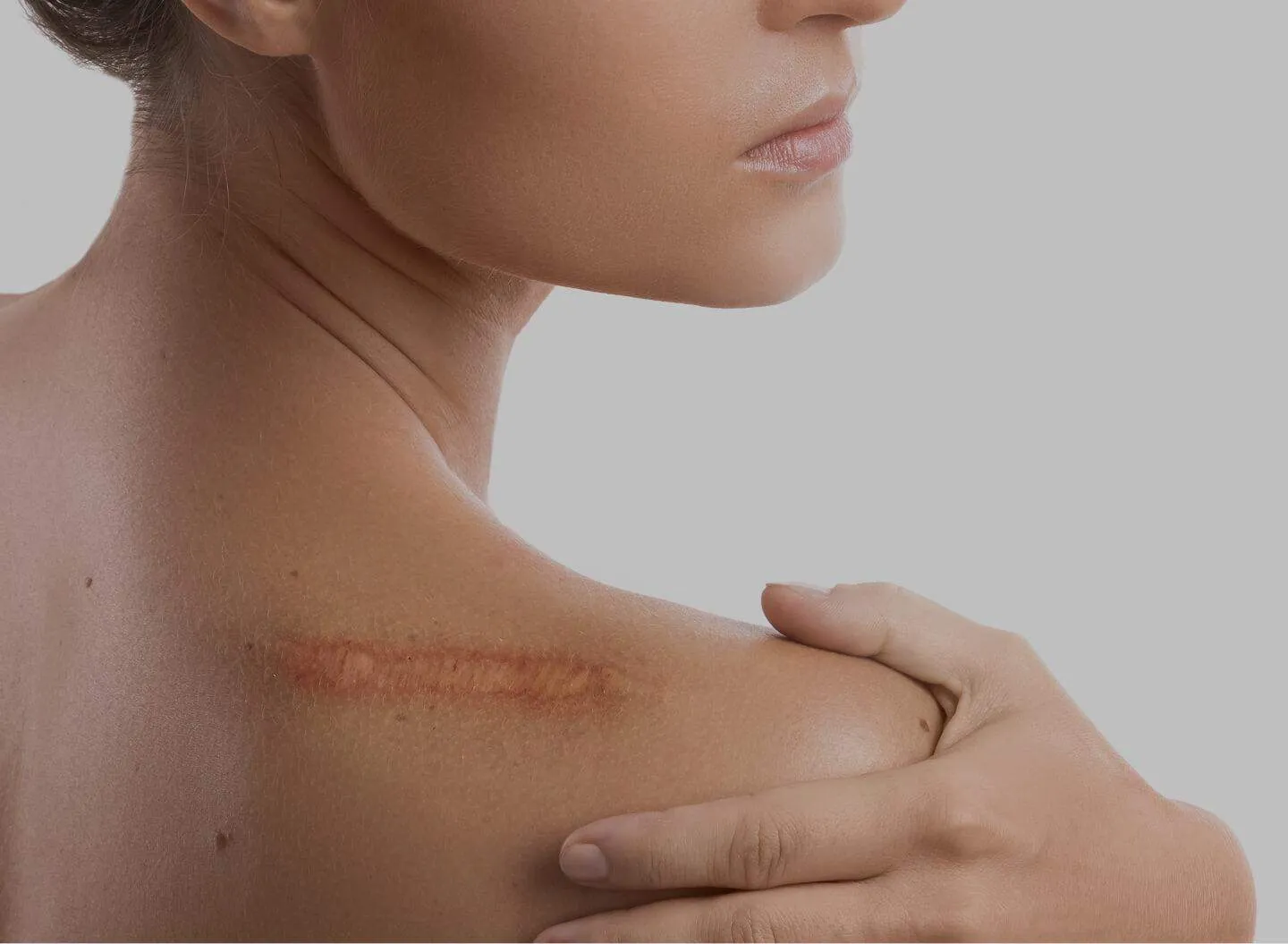
CO₂ laser may also be considered for selected surgical, traumatic or other scars.
The treatment plan depends on the scar’s type, age, depth, location, colour and whether it is raised, indented or tethered.
Laser treatment cannot completely remove a scar, but it may help improve its texture, flexibility or visibility in suitable patients.
Does CO₂ Laser Resurfacing Improve Skin Quality?
The term “skin quality” includes more than the absence of wrinkles.
It may refer to:
- texture
- firmness
- elasticity
- evenness of tone
- thickness and resilience
- hydration and barrier function
- the way the skin reflects light
CO₂ laser resurfacing may improve several of these visible and structural characteristics through resurfacing and collagen remodelling.
However, “healthier skin” should not be used as a vague promise. The treatment intentionally creates an injury, followed by a controlled healing process. During recovery, the skin barrier is temporarily disrupted and requires careful protection.
The clinically relevant question is therefore not whether the laser makes every aspect of the skin “healthier”, but whether it can produce measurable improvements in selected signs of damage, scarring and ageing after appropriate healing.
What Does the Emerging Molecular Research Mean?
Researchers are studying how laser resurfacing affects gene expression, cellular signalling, extracellular matrix remodelling and other pathways involved in wound healing.
This is scientifically interesting because it may help explain why skin continues to change after the visible recovery period.
However, early molecular findings should not be translated directly into broad clinical promises.
At present, they do not establish that fractional CO₂ laser:
- reverses biological ageing
- repairs every form of accumulated DNA damage
- prevents skin cancer
- removes all precancerous change
- permanently restores young skin
- stops future skin ageing
It is more accurate to say that CO₂ laser resurfacing activates a wound-healing response and influences biological pathways involved in tissue repair and collagen remodelling.
Further research is needed to understand the long-term significance of individual molecular changes and how consistently they translate into patient outcomes.
Does CO₂ Laser Resurfacing Prevent Skin Cancer?
No. Cosmetic CO₂ laser resurfacing should not be promoted as a treatment that prevents skin cancer.
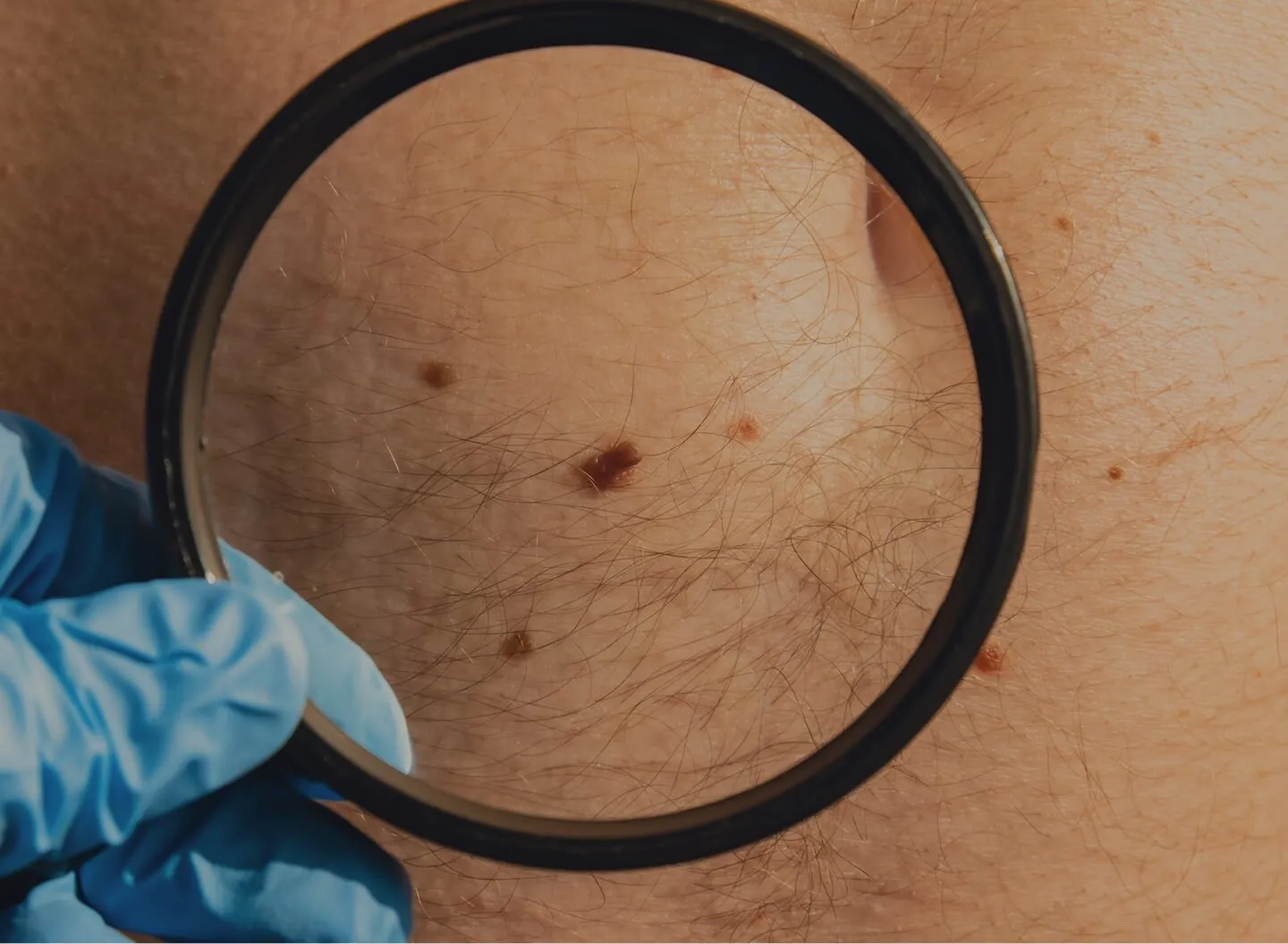
Sun-damaged skin should be medically assessed, particularly where there are:
- new or changing lesions
- persistent rough or scaly patches
- bleeding areas
- sores that do not heal
- changes in colour, shape or size
- lesions that appear different from the surrounding skin
Suspicious lesions require appropriate examination and diagnosis. Cosmetic resurfacing must not replace skin cancer screening, biopsy or clinically indicated dermatological treatment.
Why the Treatment Continues to Develop After Healing
The visible recovery period and the collagen-remodelling period are not the same.
Redness, swelling, crusting or peeling occur during the initial healing phase. Once the skin surface has recovered, deeper tissue remodelling may continue.
Patients may notice progressive improvements in:
- firmness
- texture
- scar appearance
- fine lines
- overall smoothness
over the following weeks and months.
The final result depends on the treatment intensity, indication, age, skin condition, healing response and aftercare.

The Role of the Lumenis UltraPulse Alpha at rtwskin
I have worked with different generations of CO₂ laser technology over more than 20 years.
At rtwskin, I currently use the Lumenis UltraPulse Alpha. The platform allows treatment parameters and delivery modes to be selected according to the area, concern and desired depth of treatment.
The value of any laser platform depends on more than the name of the device. Results and safety are also influenced by:
- diagnosis and patient selection
- the practitioner’s understanding of laser-tissue interaction
- appropriate treatment depth and density
- previous treatments
- skin type
- preparation
- aftercare
- management of complications
The device supports treatment planning, but it does not replace clinical judgement or experience.
Recovery and Aftercare
Recovery varies according to the intensity and area treated.
Patients may experience:
- redness
- swelling
- warmth or tenderness
- crusting or peeling
- temporary darkening or bronzing
- dryness
- sensitivity
- prolonged pinkness after the surface has healed
More intensive treatments generally require longer recovery.
Aftercare may include:
- gentle cleansing
- prescribed or recommended barrier-support products
- avoiding picking or rubbing the skin
- avoiding active skincare ingredients until advised
- strict sun avoidance during healing
- regular high-SPF sun protection
- attending follow-up appointments
- contacting the clinic if healing does not progress as expected
The exact aftercare plan should be provided by the treating clinician.
Risks and Possible Complications
CO₂ laser resurfacing is a medical procedure and is not risk-free.
Possible risks include:
- prolonged redness
- swelling
- infection
- cold sore reactivation
- acne or milia
- temporary or persistent pigmentation changes
- delayed healing
- demarcation between treated and untreated skin
- scarring
- an unsatisfactory or uneven result
The likelihood of complications depends on the patient, treatment area, settings, preparation and aftercare.
A consultation should include a balanced discussion of expected benefits, recovery and risks.
Dr Nina’s Perspective
My objective is not simply to make skin appear younger.
I assess the type of damage present, the patient’s skin characteristics, the recovery they can realistically manage and what improvement can reasonably be achieved.
CO₂ laser resurfacing can be a valuable treatment because it addresses several elements of skin ageing and damage at the same time. It can smooth surface irregularity while also stimulating deeper collagen remodelling.
The emerging research into molecular and cellular responses is interesting, but it must not be used to overstate what the treatment can do.
For patients, the most important questions remain practical:
- Is the treatment suitable for my skin?
- Which concerns is it likely to improve?
- What recovery should I expect?
- What are the risks?
- Would one treatment be enough?
- Is another treatment or combination more appropriate?
These questions should guide treatment planning more than claims about reversing ageing.
CO₂ Laser Resurfacing in Tunbridge Wells
At rtwskin in Royal Tunbridge Wells, Kent, CO₂ laser resurfacing is performed following a medical consultation and individual skin assessment.
Patients visit the clinic from Tunbridge Wells, Kent, Crowborough and surrounding areas for treatment of wrinkles, acne scars, sun-damaged skin, texture changes and other suitable concerns.
The consultation is used to determine:
- whether CO₂ laser is appropriate
- which areas should be treated
- the appropriate intensity
- expected downtime
- whether one treatment or a course may be needed
- whether another procedure or combination approach would be more suitable
Treatment should be personalised rather than based on a standard setting or package.
Book a Consultation
Suitability, treatment intensity, recovery and risks vary between patients. Read our CO₂ laser resurfacing treatment page for full information about consultation, downtime, prices and treatment planning.
What does CO₂ laser resurfacing do?
CO₂ laser resurfacing removes controlled areas of damaged surface tissue and creates a healing response that stimulates collagen remodelling. It may improve wrinkles, acne scars, sun damage, uneven texture and selected scars.
Is CO₂ laser resurfacing only for wrinkles?
No. It may also be used for acne scarring, rough texture, photoageing, uneven pigmentation, enlarged-looking pores, crepey skin and selected scars.
Can CO₂ laser improve acne scars?
It may improve some atrophic acne scars by stimulating remodelling within scarred skin. Results depend on the scar type and depth. Some scars require additional treatments such as subcision or targeted scar procedures.
Does CO₂ laser make skin healthier?
It may improve selected characteristics associated with skin quality, including texture, collagen support and visible photoageing. However, “healthier skin” should not be presented as a guaranteed or universal result.
Does CO₂ laser repair DNA damage?
Laser resurfacing activates wound-healing and repair-related pathways, but it should not be claimed to repair all accumulated DNA damage. The long-term significance of emerging molecular findings is still being researched.