
 Treatments















































































Can You Have a Facelift After Sculptra or Other Collagen Biostimulators?
By Dr Nina Sheffield, MD, BSc, Director of rtwskin – Medical Aesthetics & Dermatology Clinic in Royal Tunbridge Wells, Kent
A question I am asked more and more often at rtwskin is whether collagen biostimulator treatments, such as Sculptra, Radiesse, Ellansé, Lanluma, Lenisna or Juvelook, can make a future facelift more difficult. It is an important question, especially for patients who are thinking about long-term facial rejuvenation rather than a single treatment in isolation.
The short answer is yes, you can usually still have a facelift after collagen biostimulators. Previous treatment with regenerative injectables does not automatically prevent successful facelift surgery. However, it does mean that treatment history, injection technique, product choice and timing should be discussed carefully with both your aesthetic practitioner and facial plastic surgeon.
This article explains what the current evidence suggests, why some surgeons report more complex tissue handling in certain cases, and how patients in Tunbridge Wells, Kent and the surrounding areas can think about regenerative injectable treatments as part of a sensible, medically planned ageing strategy.
Key Takeaways
Previous Sculptra, Radiesse or other collagen biostimulator treatment does not usually rule out a future facelift.
Surgery may sometimes be more technically demanding if injections were repeated many times, placed too superficially, or performed in less appropriate tissue planes.
Good records matter: your surgeon should know which product was used, where it was injected, when it was performed and how many sessions you had.
Skin quality still matters before and after a facelift. Collagen biostimulators and CO₂ laser resurfacing may support a broader skin rejuvenation plan when used appropriately.
The safest approach is personalised treatment planning with an experienced medical injector and, when surgery is being considered, an experienced facial plastic surgeon.
Can You Have a Facelift After Sculptra?
Yes. Based on the current scientific literature and clinical experience, previous treatment with collagen biostimulators does not normally prevent patients from having successful facelift surgery.
Some facial plastic surgeons report that surgery may occasionally be more technically demanding, particularly after multiple treatments or injections placed in inappropriate tissue planes. This may be related to firmer tissues, altered tissue planes or areas of fibrosis. However, published research has not consistently shown that collagen biostimulators lead to poorer surgical outcomes in all patients.
For most patients, the most important factors are careful planning, conservative treatment, accurate injection depth, good communication between clinicians and choosing an experienced facial plastic surgeon if surgery is being considered.
What Are Collagen Biostimulators?
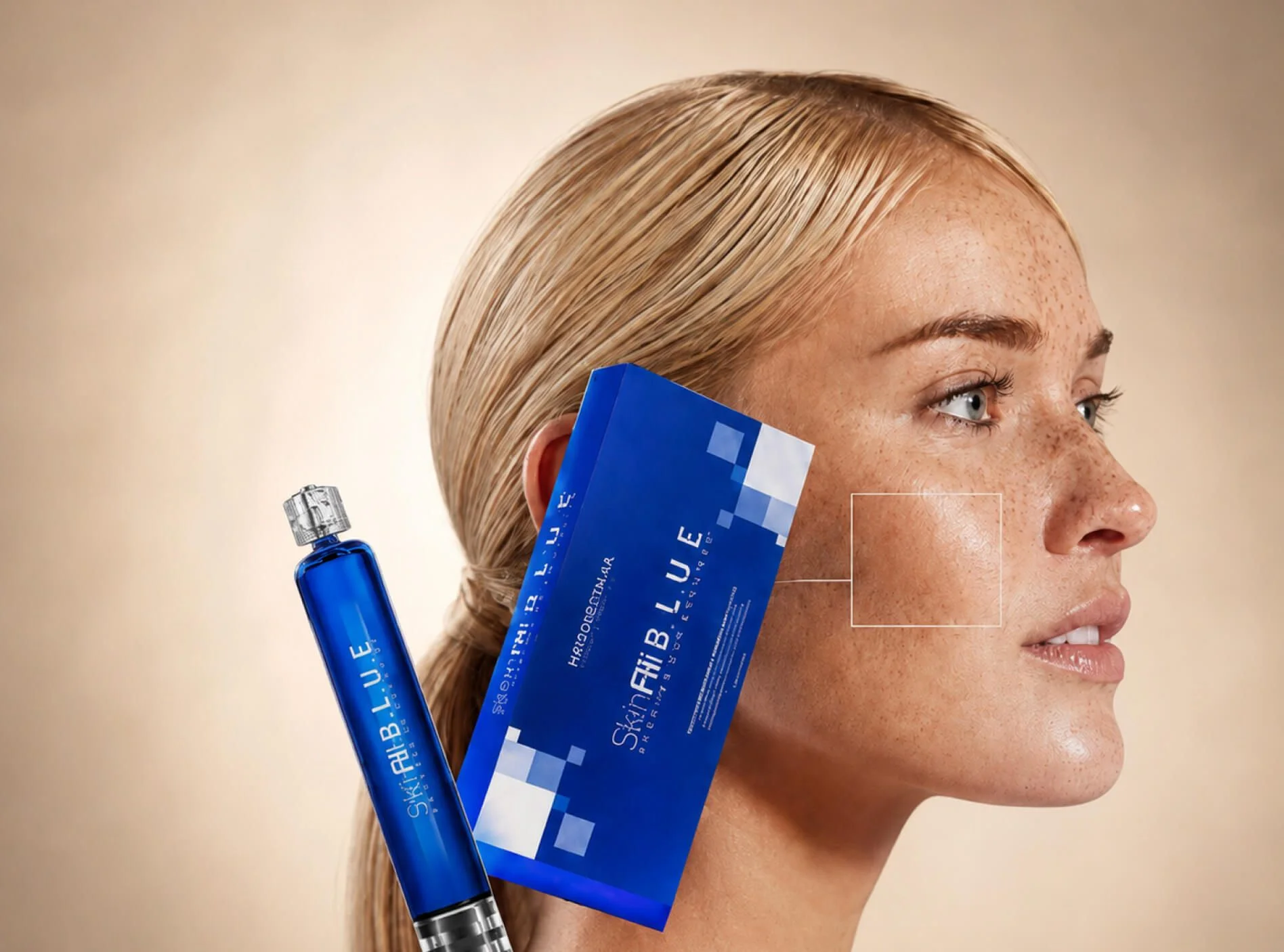
Collagen biostimulators are regenerative injectable treatments designed to stimulate the body’s natural collagen production rather than simply placing volume in the skin. They are sometimes called collagen-stimulating injectables or biostimulatory fillers, although they work differently from traditional hyaluronic acid dermal fillers.
Common collagen biostimulators include Sculptra (poly-L-lactic acid), Radiesse (calcium hydroxylapatite), Ellansé (polycaprolactone), Lanluma (poly-L-lactic acid), JULÄINE™, Lenisna (PDLLA) and Juvelook (PDLLA). These products are used in different ways, and not every product is suitable for every patient, area or clinical goal.
They may be considered to improve the appearance of:
- skin quality and firmness
- skin thickness and elasticity
- facial volume loss
- cheek support
- jawline definition
- lower face rejuvenation
- neck skin quality
- overall facial rejuvenation over time
Unlike traditional dermal fillers, collagen biostimulators work gradually. They encourage tissue remodelling over several months, which is why treatment planning should be thoughtful, conservative and individualised.

Why Patients Worry About Future Facelift Surgery?
One of the biggest myths in aesthetic medicine is that having regenerative injectables means you will never be able to have a facelift later. Understandably, patients worry about this because they may want to improve skin quality now while keeping surgical options open in the future.
In practice, experienced facial plastic surgeons routinely see patients who have previously had injectable treatments. The key is not simply whether a patient has had Sculptra, Radiesse or another collagen stimulator. The more important question is how the treatment was performed and whether the surgical team has a clear record of the patient’s aesthetic history.
What Your Surgeon Needs to Know?
If you are considering a facelift after collagen biostimulators, your surgeon should be told:
- which product was used
- which areas were treated
- when the treatment was performed
- how many treatment sessions were completed
- whether you experienced nodules, inflammation, prolonged swelling or other complications
- whether you have also had thread lifts, energy-based treatments, dermal fillers or laser resurfacing
This information allows surgical planning to be more accurate and helps your surgeon understand what they may encounter during the procedure.
Can Collagen Biostimulators Make Surgery More Difficult?
The honest answer is: sometimes, but it depends.
Collagen biostimulators are intentionally used to stimulate new collagen formation. Because of this, they may alter tissue characteristics in some patients. Some surgeons describe slightly firmer tissues, altered planes, occasional fibrosis or different tissue handling during facelift surgery.
However, those observations are not the same as saying that every patient who has had collagen biostimulators will have a poor surgical outcome. The available evidence is still evolving, and the most balanced view is that previous collagen-stimulating treatments are one part of the patient’s medical and aesthetic history, not an automatic contraindication to surgery.
Why Injection Technique Matters More Than the Brand Name
Patients often ask whether Sculptra is better or worse than Radiesse before a facelift. In reality, the answer usually depends less on the product name and more on how the product is used.
Excellent outcomes depend on correct patient selection, appropriate product choice, anatomical knowledge, correct injection depth, conservative treatment planning and experience. The same principle applies to surgery: a successful facelift depends heavily on the skill, judgement and experience of the surgeon.
This is why a medically led approach is so important. At rtwskin in Tunbridge Wells, collagen biostimulator planning is considered within the wider context of facial ageing, skin quality, previous treatments and future goals, rather than being treated as a one-off injectable appointment.
Does Skin Quality Matter Before a Facelift?
Absolutely. A facelift repositions deeper facial tissues, but the final result is still influenced by the quality of the skin itself.
Healthy skin generally has better elasticity, hydration, resilience, collagen support and overall appearance. This is why many aesthetic practitioners view regenerative treatments as part of a long-term skin health strategy rather than simply a way to replace lost volume.
Some facial plastic surgeons believe that improving tissue quality before surgery may contribute to tissue handling and the overall rejuvenation process. This is a logical and clinically interesting concept, although more research is needed before it can be described as a confirmed surgical benefit.
Sculptra, Radiesse, Ellansé, Lanluma, JULÄINE™, Lenisna and Juvelook: How Should Patients Think About Them?
Patients often search for individual products, such as “facelift after Sculptra”, “Radiesse before facelift” or “collagen stimulators before facelift”. Clinically, it is more useful to think about the treatment category, the product characteristics and the technique used.
Sculptra and Lanluma are both based on poly-L-lactic acid. Radiesse is based on calcium hydroxylapatite. Ellansé is based on polycaprolactone. Lenisna and Juvelook are PDLLA-based products. Each product has different handling characteristics, indications and treatment protocols.
The choice should always be based on your anatomy, skin quality, tissue laxity, previous treatment history and future plans. If you are actively considering facelift surgery, it is sensible to discuss this before starting or continuing a course of collagen-stimulating injectables.
Can CO₂ Laser Resurfacing Complement a Facelift?
One of the most effective ways to approach facial rejuvenation is to think separately about deeper tissue support and skin surface quality.
A facelift primarily improves facial laxity, jowls, neck definition and mid-face descent. It does not directly treat fine lines, sun damage, pigmentation, enlarged pores, acne scars, crepey skin or uneven skin texture.
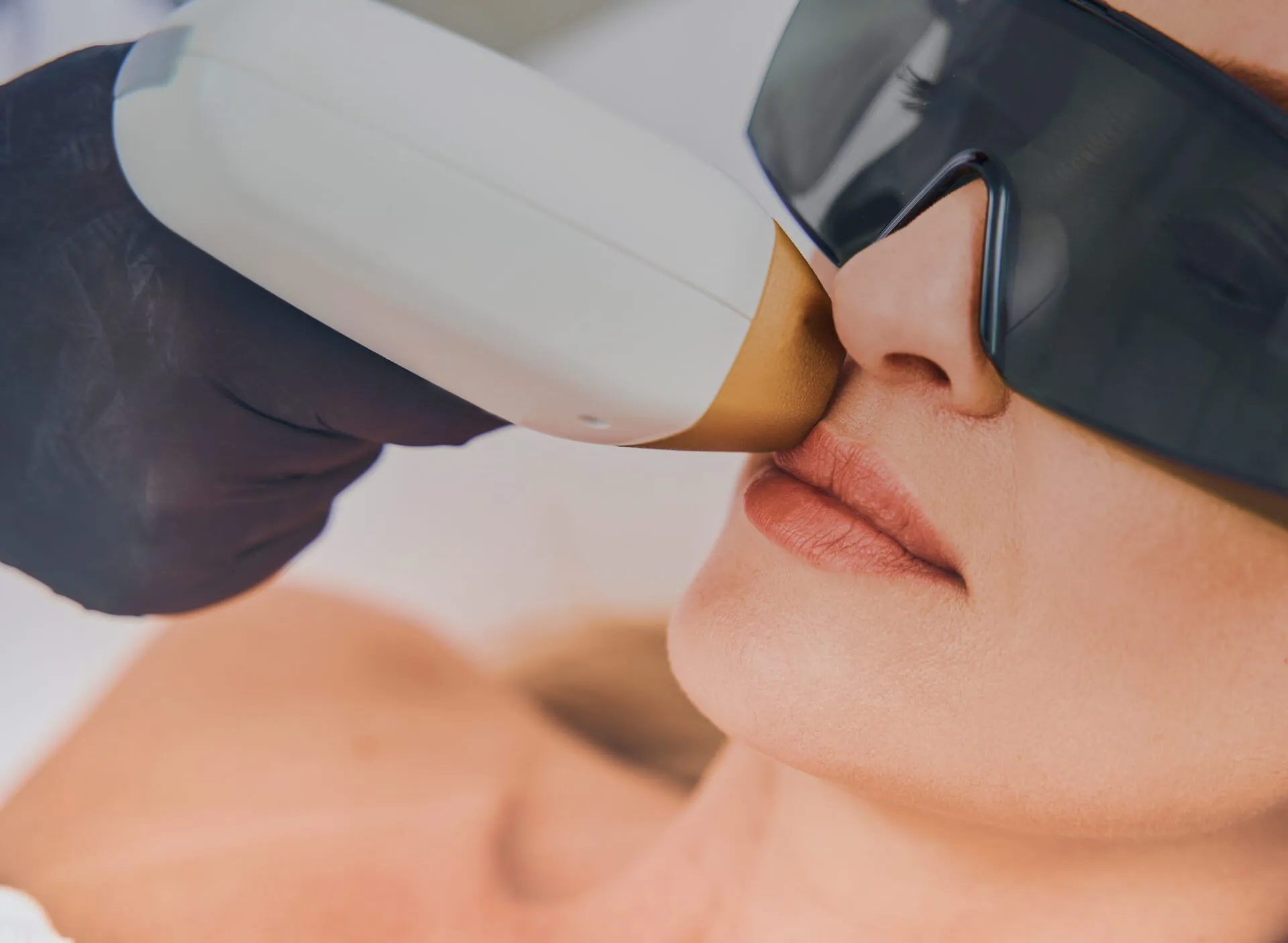
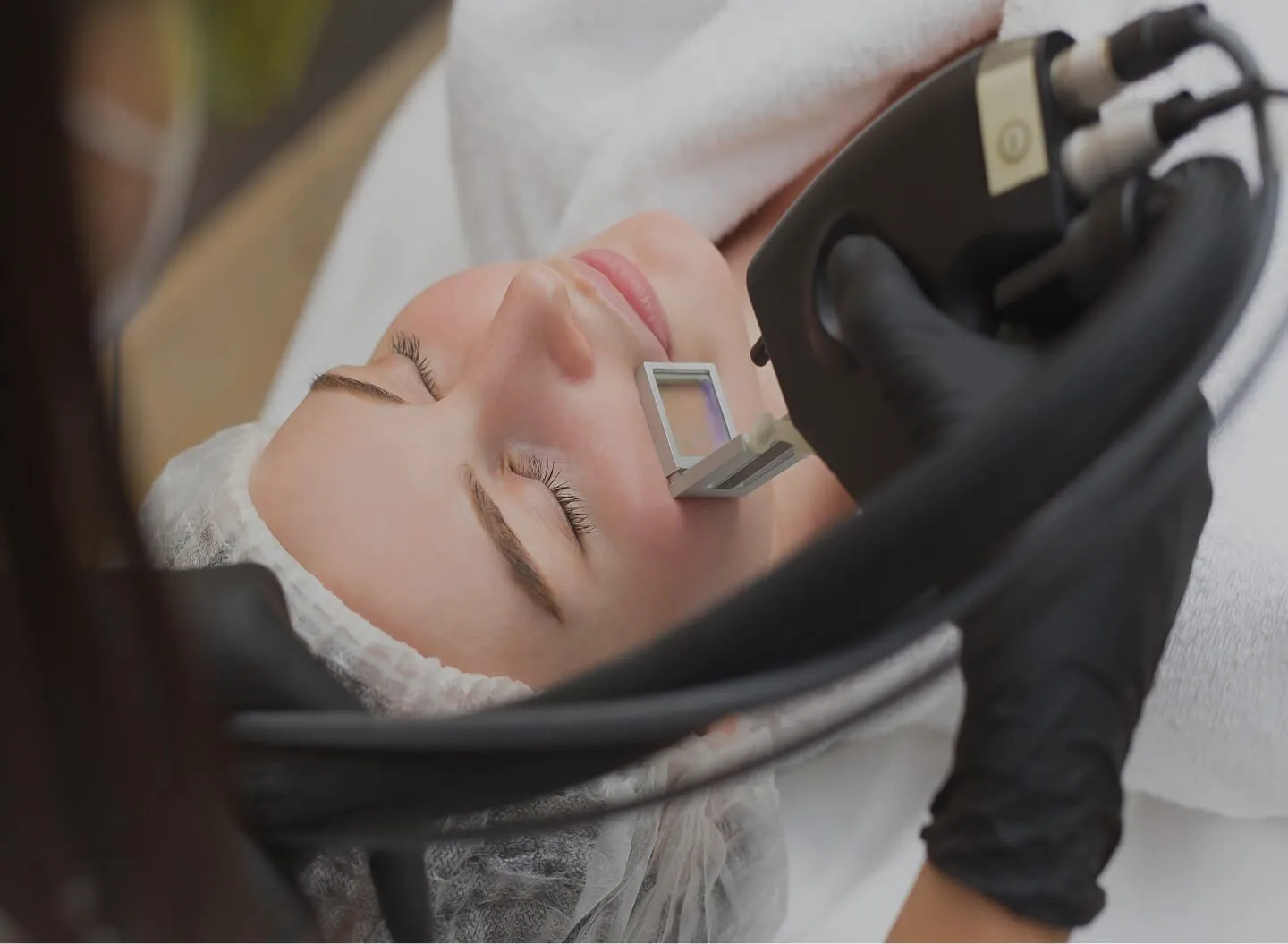
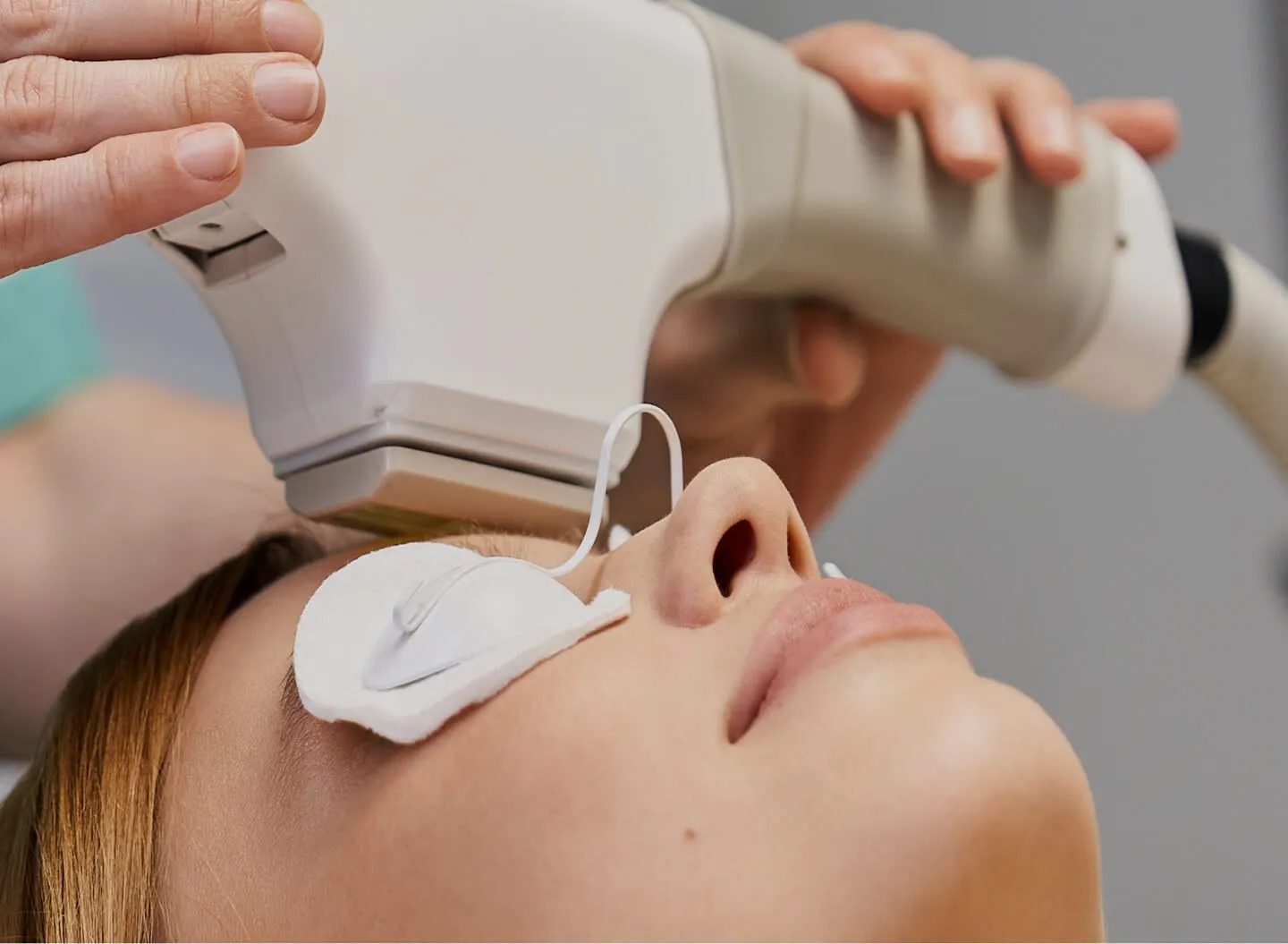
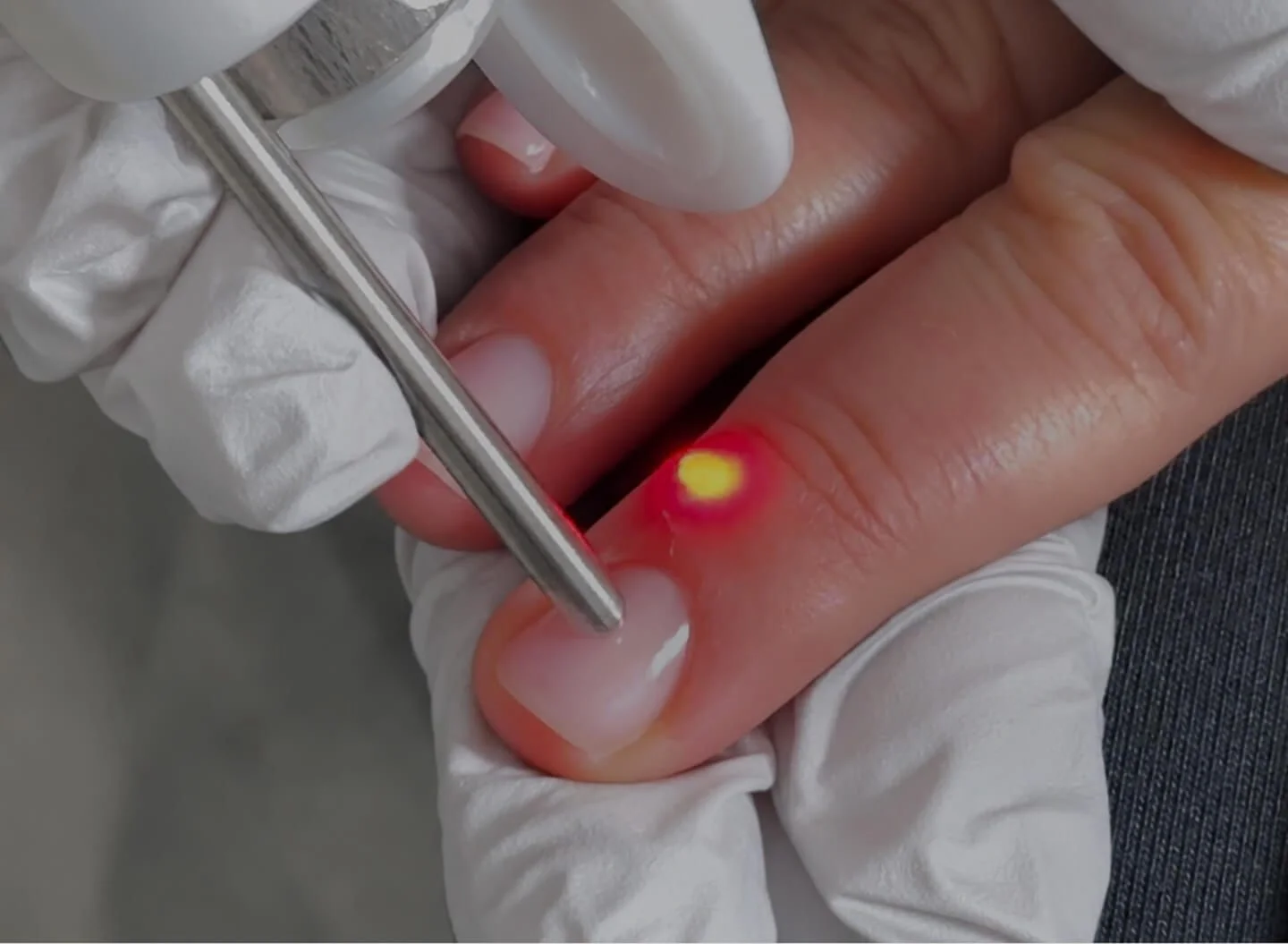
This is where fractional CO₂ laser resurfacing can play an important role. Fractional CO₂ laser resurfacing stimulates collagen remodelling while improving skin texture, tone and overall quality. It is widely used to soften wrinkles, improve sun-damaged skin, reduce the appearance of acne scarring and refine uneven texture.
For many patients, a personalised plan may combine regenerative injectable treatments, CO₂ laser resurfacing and, when appropriate, facelift surgery. The ideal sequence and timing should always be decided after a medical consultation and, if surgery is being considered, in discussion with the surgeon.

A Personalised Approach to Facial Rejuvenation in Tunbridge Wells
Modern facial rejuvenation is rarely about choosing between injectables, lasers or surgery. These treatments often address different parts of the ageing process and may complement one another when used carefully.
At rtwskin, based in Royal Tunbridge Wells, Kent, we take an evidence-based and medically led approach to skin quality, collagen stimulation and facial rejuvenation. Patients visit the clinic from Tunbridge Wells, Kent, Crowborough and surrounding areas for treatment planning that considers both current concerns and longer-term options.
A personalised plan may include collagen biostimulators, skin boosters, fractional CO₂ laser resurfacing, prescription skincare, energy-based treatments or referral for surgical assessment when appropriate. The aim is not to over-treat, but to create a plan that respects natural facial anatomy, skin health and future decision-making.
When Should You Pause Injectables Before a Facelift?
There is no single rule that applies to every patient. Timing depends on which product was used, the treatment area, the amount placed, your tissue response and the preferences of your facial plastic surgeon.
If you are already planning surgery, it is usually best to tell your injector before having further collagen biostimulator treatment. In some cases, your surgeon may prefer a pause before surgery. In others, a skin quality plan may still be appropriate. This should be personalised rather than guessed.
Who Is This Article Most Relevant For?
This information may be helpful if you:
- have previously had Sculptra, Radiesse, Ellansé, Lanluma, Lenisna or Juvelook
- are considering collagen biostimulators but may want facelift surgery in the future
- want to improve skin quality, firmness or lower face rejuvenation without closing off future options
- are looking for regenerative aesthetics or collagen biostimulator treatment in Tunbridge Wells or Kent
- want a medically led opinion before starting a course of injectable or laser skin rejuvenation treatments
Important Limitations
This article is educational and does not replace a consultation with a facial plastic surgeon. If you are actively planning facelift surgery, your surgeon’s advice should guide your treatment timeline.
Results and suitability vary between patients. Collagen biostimulators are not suitable for everyone, and previous treatment history should always be reviewed before planning further injectable, laser or surgical treatments.
Why Choose rtwskin?
At rtwskin, facial rejuvenation is personalised, evidence-based and focused on long-term skin health. Whether you are considering collagen biostimulators, fractional CO₂ laser resurfacing or future facial plastic surgery, our approach is to optimise skin quality, preserve natural facial anatomy and create treatment plans tailored to your individual goals.
The clinic is based at Cobden House Medical Centre in Royal Tunbridge Wells, Kent, and is led by experienced medical professionals. Dr Nina Sheffield has more than 20 years of experience in aesthetic medicine, laser treatments and regenerative facial rejuvenation, and is the CQC Responsible Person for rtwskin.
Our philosophy is simple: healthy skin, thoughtful treatment planning and medical expertise are the foundation of natural-looking, long-term facial rejuvenation.

Book a Consultation
If you are considering collagen biostimulators, CO₂ laser resurfacing or a long-term skin rejuvenation plan in Tunbridge Wells, arrange a consultation at rtwskin. We can review your treatment history, assess your skin quality and help you understand which options may be suitable for your goals.
Can I have a facelift after Sculptra?
Yes. Previous Sculptra treatment does not usually prevent successful facelift surgery. However, your surgeon should know when it was performed, where it was injected and how many sessions you had.
Can I have a facelift after Radiesse?
In many cases, yes. Some surgeons report that previous collagen-stimulating injectables may occasionally alter tissue handling, but this does not automatically mean surgery is unsuitable. A surgical consultation and full treatment history are important.
Do collagen biostimulators make facelift surgery harder?
They can in some cases, particularly if treatment was repeated many times or placed in less appropriate tissue planes. The evidence is still evolving, so the safest approach is careful planning and full disclosure of previous treatments.
Should I avoid collagen biostimulators if I may want a facelift later?
Not necessarily. The decision depends on your age, skin quality, facial laxity, treatment goals and surgical timeline. If you are actively planning surgery, discuss this with your surgeon before having further injectable treatment.
Are collagen biostimulators available in Tunbridge Wells?
rtwskin in Royal Tunbridge Wells offers medically led consultations for regenerative injectable treatments and skin rejuvenation planning. Suitability is assessed individually before treatment is recommended.
What is the difference between collagen biostimulators and dermal fillers?
Dermal fillers usually add immediate volume or contour using hyaluronic acid. Collagen biostimulators work more gradually by encouraging collagen production and tissue remodelling over time. They are used for different goals and are not interchangeable for every patient.
Can CO₂ laser resurfacing be done before or after a facelift?
In many cases, yes, but timing matters. CO₂ laser resurfacing treats skin texture, wrinkles, sun damage and scarring, while a facelift addresses deeper tissue laxity. Your treatment plan should be personalised around your skin condition and surgical advice.
Is CO₂ laser resurfacing available in Tunbridge Wells?
Yes. rtwskin offers fractional CO₂ laser resurfacing in Tunbridge Wells as part of medically led skin rejuvenation planning. A consultation is required to assess suitability, downtime and aftercare.
Do I need to tell my plastic surgeon about previous injectables?
Yes. Always provide a complete history of previous aesthetic treatments, including collagen biostimulators, dermal fillers, thread lifts, lasers and energy-based devices.
Can collagen biostimulators improve skin quality before surgery?
Collagen biostimulators may help improve the appearance of skin firmness, thickness and elasticity in suitable patients. Whether this is useful before surgery should be discussed with your aesthetic practitioner and surgeon.
How long before a facelift should I stop Sculptra or Radiesse?
There is no universal answer. Your surgeon may recommend a specific pause depending on the product, amount used, treatment area and your tissue response. If surgery is likely, ask your surgeon before continuing treatment.
Can I book a consultation at rtwskin if I am not sure whether I need injectables, laser or surgery?
Yes. A consultation can help clarify whether regenerative injectables, CO₂ laser resurfacing, skincare, another treatment route or surgical assessment may be more appropriate for your goals.