




























































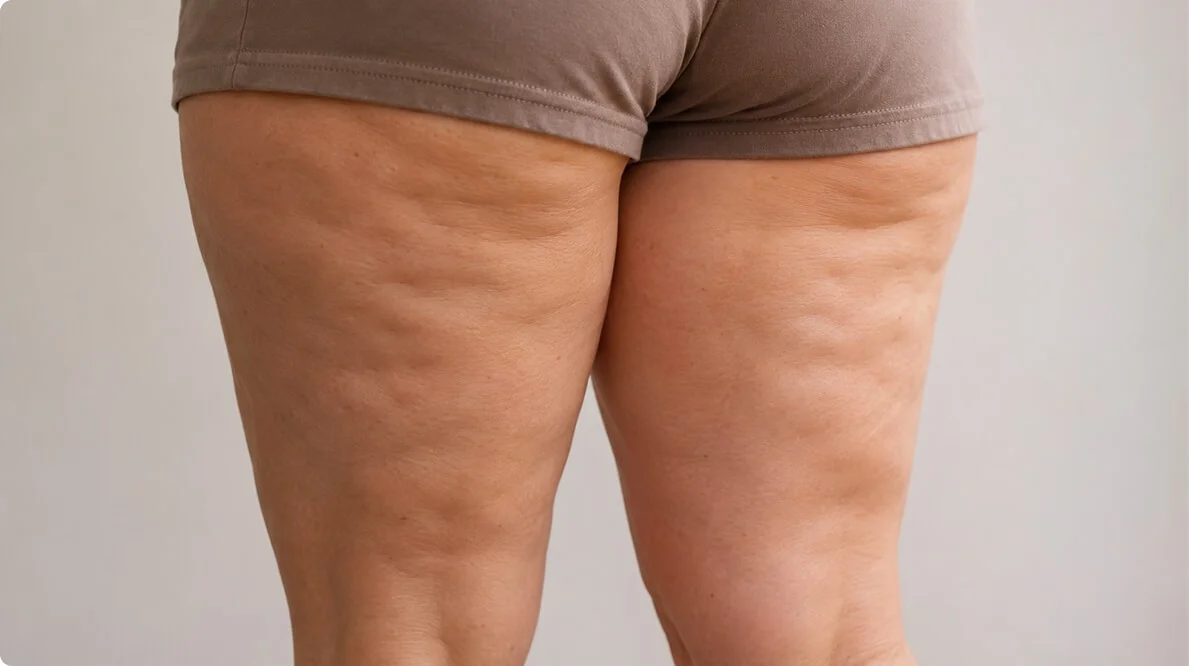


Cellulite Dimples and My Approach to Subcision and Lanluma
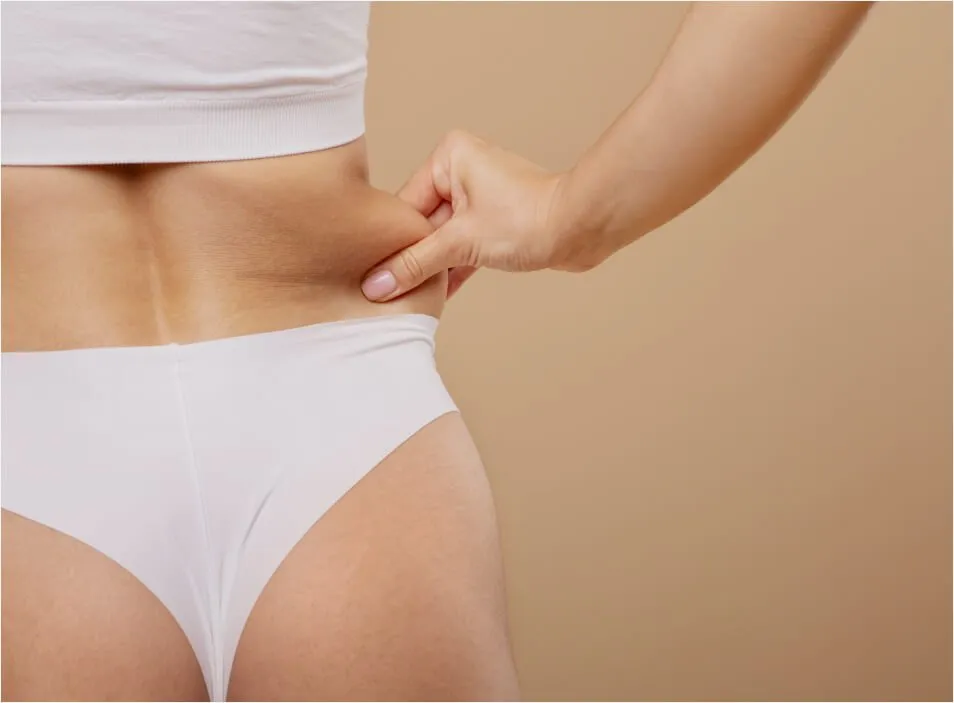
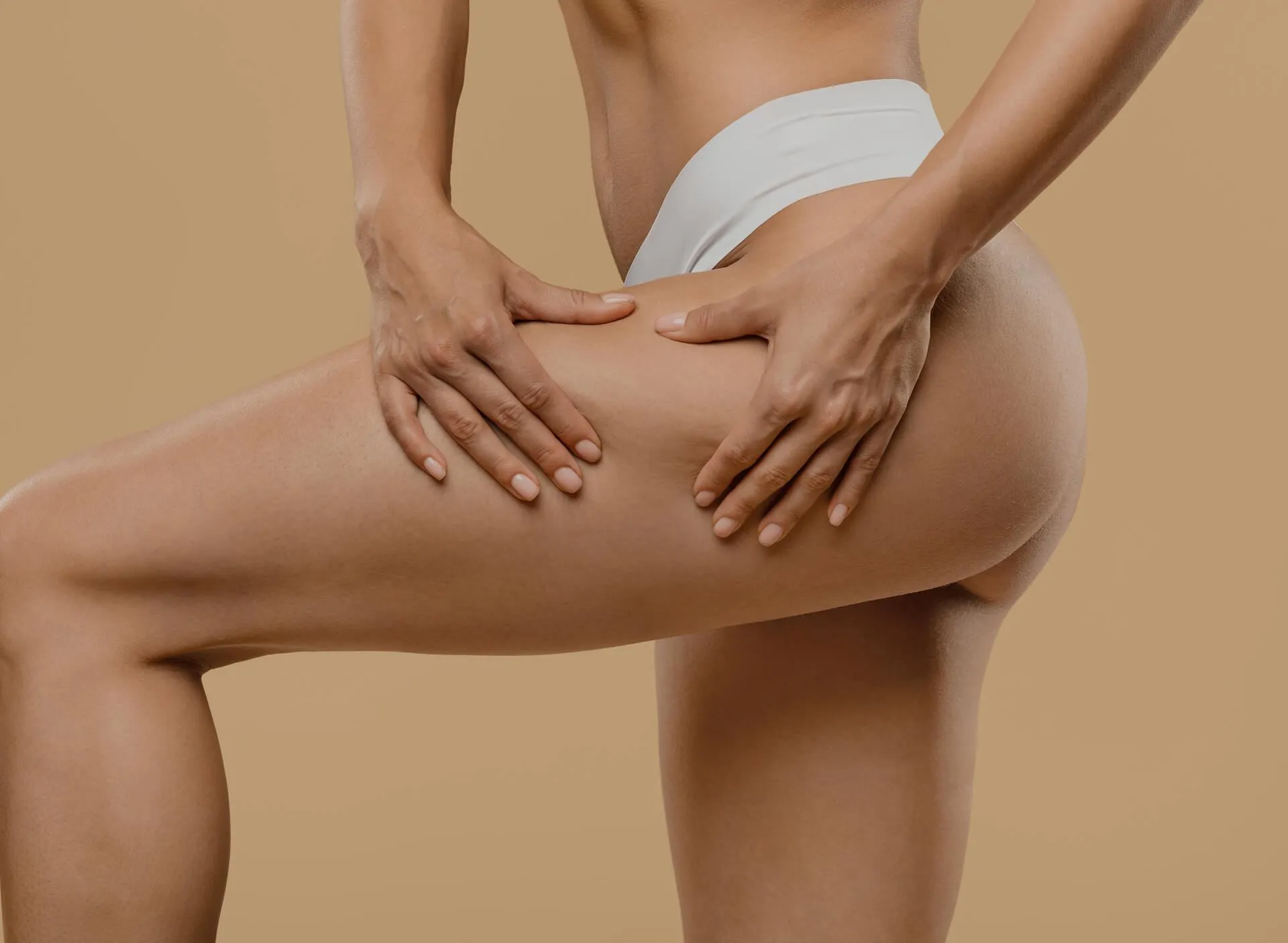
Cellulite is one of the most common body concerns I see in my aesthetic practice. It can affect women of different ages, weights and body shapes, particularly around the thighs and buttocks.
Having worked in aesthetics for around 20 years, I have seen many approaches to cellulite treatment. In my experience, the starting point is understanding what is creating the uneven appearance. One patient may have deep, individual dimples, another may mainly have loose skin, and a third may have several concerns together.
For selected patients, I combine subcision to release the tissue pulling a dimple downwards with Lanluma to stimulate collagen in the surrounding area. Here I explain how that works, when I consider it and what I want patients to understand before deciding on treatment.
Why cellulite creates dimples even when you are slim
Beneath the skin are bands of connective tissue, known as fibrous septa, which connect it to deeper tissues. Some of these bands pull the skin downwards while the tissue around them pushes upwards. This creates the dips and uneven, ‘orange-peel’ appearance we recognise as cellulite.
Think of a point on the skin being held down from underneath: the surface around it sits higher, making the depression visible. Skin firmness and the quality of the surrounding tissue also affect how noticeable that depression becomes.
This is why losing weight does not necessarily eliminate cellulite. I see it in women who are slim and physically active. When fibrous attachments are contributing to a dimple, the amount of body fat alone does not explain the problem.
How I decide whether subcision is appropriate
Subcision is most relevant to dimples where fibrous attachments are pulling the skin downwards. I assess each depression alongside skin laxity, meaning looseness, tissue quality, localised fat and the overall contour.
I also look at when the dimpling is visible. The following descriptions help explain severity, but they do not replace an individual examination.
- Mild cellulite, often described as grade 1: the skin may look smooth at rest, with dimpling appearing only when it is pinched or the muscles contract. I would not usually recommend subcision for this presentation alone.
- Moderate cellulite, or grade 2: dimples become visible when standing. If I identify fibrous attachments pulling the skin downwards and a need to improve the surrounding tissue, I may consider subcision with Lanluma.
- More pronounced cellulite, or grade 3: the depressions can be deeper and remain visible when lying down. Subcision and Lanluma may be useful, although a more involved treatment plan may be needed.
Two patients with the same grade may still need different advice. Where looseness or localised fat is the main concern, I assess that separately. Releasing fibrous attachments alone will not address every cause of uneven skin.
What actually happens during subcision and Lanluma treatment
Subcision is a procedure carried out beneath the skin to mechanically disrupt selected fibrous attachments that hold a dimple down. Lanluma is injected afterwards to stimulate collagen gradually. These are two distinct parts of the treatment.
The procedure usually takes approximately one hour. Before beginning, I examine and mark the cellulite dimples and the areas I want to treat. We use a local anaesthetic containing lidocaine to make the procedure more comfortable.
I then introduce a cannula, a slender medical tube, beneath the skin through a small entry point. Using controlled movements of the cannula, I mechanically break up selected fibrous adhesions that are pulling the skin downwards. This reduces the pull on the skin, allowing the depression to sit more evenly. That physical release is what we mean by subcision.
Once I am satisfied with the release, I inject Lanluma into the planned treatment areas. Lanluma contains poly-L-lactic acid, or PLLA, which stimulates the body’s own collagen production. Collagen helps provide structure and support; as it develops, the firmness and quality of the surrounding tissue may improve.
This is what I particularly like about the combination for suitable patients: subcision addresses the attachment beneath a dimple, while Lanluma supports a gradual change in the surrounding tissue. My aim is to soften the depressions and improve the contour, with a result that develops over time.

How treating dimples differs from a Lanluma bum lift
Cellulite correction focuses on depressions and skin quality; a Lanluma bum lift focuses on shape, fullness and contour. Some patients have both concerns, so I assess them together and discuss the change they want. Our Lanluma treatment page explains the wider uses and practical treatment details.
What to expect during recovery
Tenderness, swelling and bruising can occur after treatment, particularly after subcision. The extent varies between patients, and bruising can be quite noticeable. Local anaesthetic helps during the procedure, but the treated area may still feel sore afterwards.
The first two weeks are an initial healing period, although recovery varies. I discuss this before treatment so you can plan around your usual activities. If pain relief is needed, we advise on what is medically appropriate for you.
An area may look smoother straight away because the attachments have been released and swelling temporarily changes its appearance. That early smoothness is not the final collagen result.
Why massage at home matters
Immediately after injecting Lanluma, I manually massage the area to help distribute the product evenly. Massage continues as part of your aftercare, and I show you the technique and the pressure to use before you leave the clinic.
Follow the frequency and duration given by your treating clinician. The advice should account for the treated area and your recovery. If you are unsure how firmly to massage or whether to continue, contact us for guidance.
This instructed hand massage is different from strong vacuum or deep mechanical massage. Do not add those treatments to a freshly treated area without checking with the clinic.
Where Zemits and lymphatic drainage fit into the plan
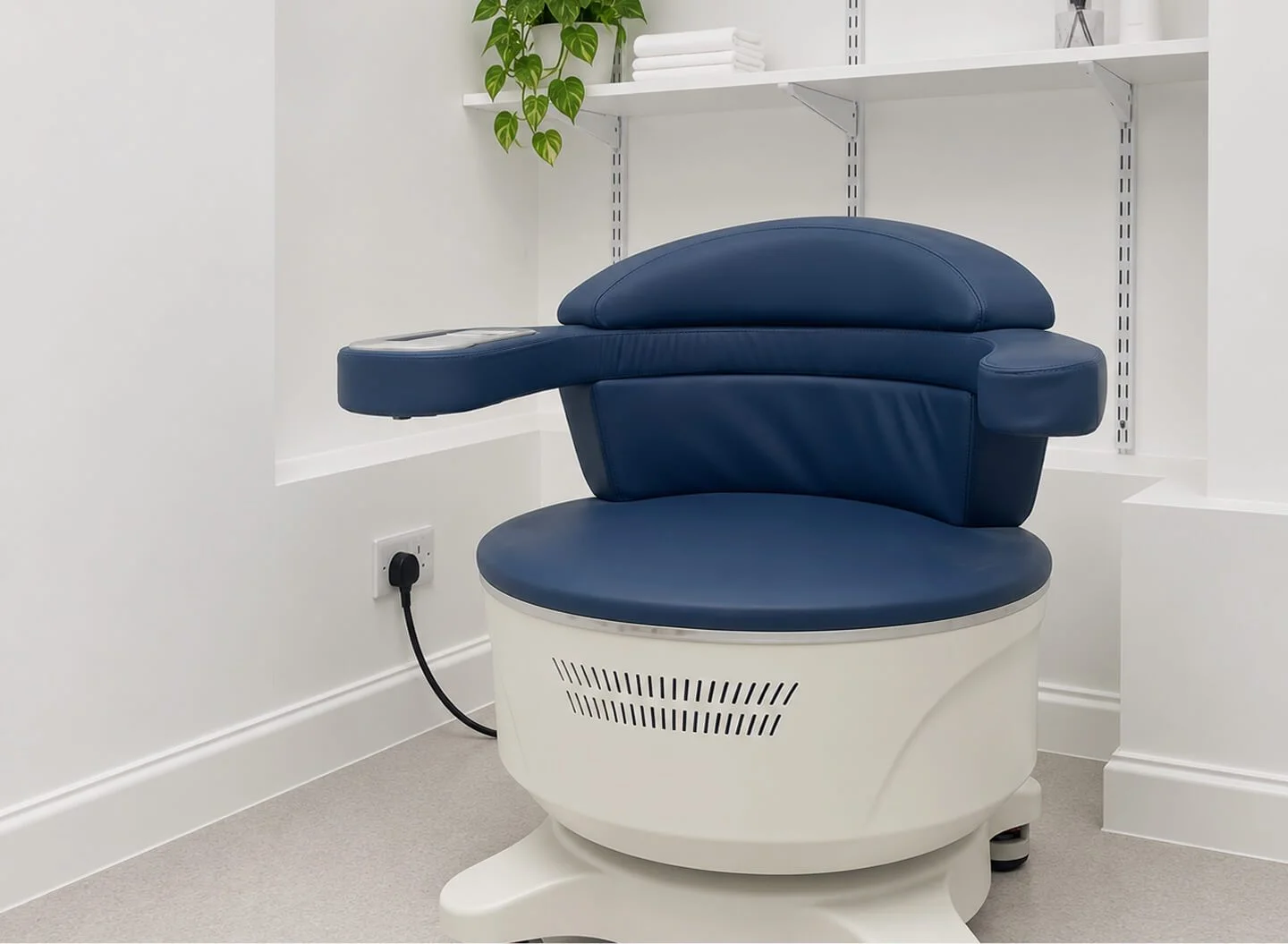
For some patients, I may include Zemits Bionexis in a wider cellulite and body-contouring plan. The system offers vacuum and roller massage, radiofrequency heating and ultrasound-based cavitation. I select the relevant technology for the individual concern. Massage may be considered to support local circulation and lymphatic drainage, which helps move fluid through the lymphatic system.

Zemits is not an automatic addition on the day of subcision. Subcision creates controlled tissue injury, and strong suction or roller manipulation immediately afterwards could increase bruising, swelling and discomfort. On that day, I perform the manual massage needed after Lanluma and avoid strong vacuum, radiofrequency or cavitation over the freshly treated tissue.
I normally review healing after around one to two weeks. Once significant bruising, swelling and tenderness have settled, I may introduce gentle massage with low suction. More intensive treatments are considered later only if healing is satisfactory and they are appropriate for the patient.
There is no fixed number of days after which everyone is ready. The review determines the next step. Our Zemits cellulite treatment page explains the separate non-invasive treatment options.
When changes become visible
Lanluma works gradually. I explain the following broad stages so patients understand the difference between early healing, the first visible changes and a result that continues to develop. The timing varies with individual response and any further sessions.
Stage |
What you may notice |
|---|---|
First two weeks |
Swelling, bruising and tenderness affect the appearance. Early smoothness should not be judged as the final result. |
Around four to six weeks |
Some dimples may begin to look softer as early changes become noticeable. |
Around two to three months |
Improvements in firmness, skin quality and contour may become clearer. |
Around three to six months |
Collagen remodelling continues, and visible improvement may develop further. |
Around six to nine months |
The result may continue to mature, particularly after a course of treatment. |
Noticing improvement at eight to twelve weeks and allowing three to nine months for further development are therefore compatible expectations. I encourage patients to give the collagen response time, rather than judging treatment in the first few days.
How many sessions I recommend
Some patients notice improvement after one session. In my practice, I commonly plan two sessions around six to eight weeks apart, then reassess whether a third would be useful. A third session may be more likely with pronounced cellulite, but it is not automatic.
The number of sessions and amount of Lanluma depend on the treatment area, the depth and extent of the dimples, tissue quality and your response. Subcision does not necessarily need to be repeated at every visit, even when further Lanluma treatment is appropriate.
How long improvement may last
Lanluma results may last up to two years, but this should not be read as a promise that every cellulite dimple will remain improved for that length of time. The degree and duration of improvement vary between individuals.
Age, skin quality, lifestyle, weight changes and natural ageing can influence longevity. Maintenance may be considered according to your response. I aim to improve the appearance of cellulite, without promising permanent removal or completely smooth skin
What the research tells us
A small randomised trial published in 2021 enrolled 31 women and compared PLLA with saline injections, with both groups receiving subcision. It reported improvements in cellulite appearance after repeated PLLA treatment, with follow-up to six months.
These findings are encouraging, but they do not establish the results of the specific Lanluma and Zemits programme described here or a two-year duration for cellulite improvement. I discuss those limits alongside my clinical assessment.
Risks and suitability I discuss before treatment
Lanluma and subcision are medical aesthetic procedures with potential risks. Alongside bruising, swelling and tenderness, these include infection, persistent lumps or nodules, inflammatory lumps known as granulomas, asymmetry, and an uneven or unsatisfactory result. Injection procedures also carry a rare risk of blood vessel injury or disruption to the skin’s blood supply.
Before proceeding, I take your medical history, assess suitability and discuss the potential benefits, limitations and recovery. Tell me about medicines, allergies, previous treatments in the area, pregnancy or breastfeeding, and any current skin infection. These details may affect whether treatment is appropriate or should be postponed.
Contact the clinic promptly if symptoms worsen or a lump persists. Severe or increasing pain, unusual skin colour changes, spreading redness, heat or fever need urgent medical advice.
My approach to cellulite at rtwskin
For me, good cellulite treatment starts with understanding what is happening beneath the skin. Where a fibrous band is holding a dimple down, subcision may address that attachment. Where tissue quality also needs support, Lanluma may complement the release. Additional treatments are chosen for a specific purpose and timed around healing.
We assess the result over months, with the next step guided by your response. My aim is a gradual, natural-looking improvement in the concerns we have identified together, with clear expectations about what treatment can and cannot achieve.
Book a consultation with Dr Nina Sheffield
If you are concerned about cellulite on your thighs or buttocks, you can book a consultation with me at rtwskin. You do not need to know which procedure to choose beforehand.
I will assess your skin, discuss suitable options and explain the likely recovery, aftercare and cost. You will have time to ask questions before deciding whether treatment is right for you.
Arrange a consultation with Dr Nina Sheffield at rtwskin.