


































































Sebaceous filaments vs blackheads
What a pore strip pulls out is not always a blackhead. It can also remove sebaceous filaments: fine strands of oil and skin cells that naturally sit inside pores. The pores may look clearer for a while, then refill as the skin continues producing oil.
Blackheads are plugs that block the pores. Clearing a plug can help, but preventing the next one matters too. Knowing which dots you have makes it easier to choose products that will help and decide whether a clinic treatment is worth considering.
How to tell them apart
Small, flat dots in a fairly even pattern across the nose are usually sebaceous filaments. They may look grey, yellowish or light brown. These filaments help the skin’s natural oil, or sebum, reach the surface.
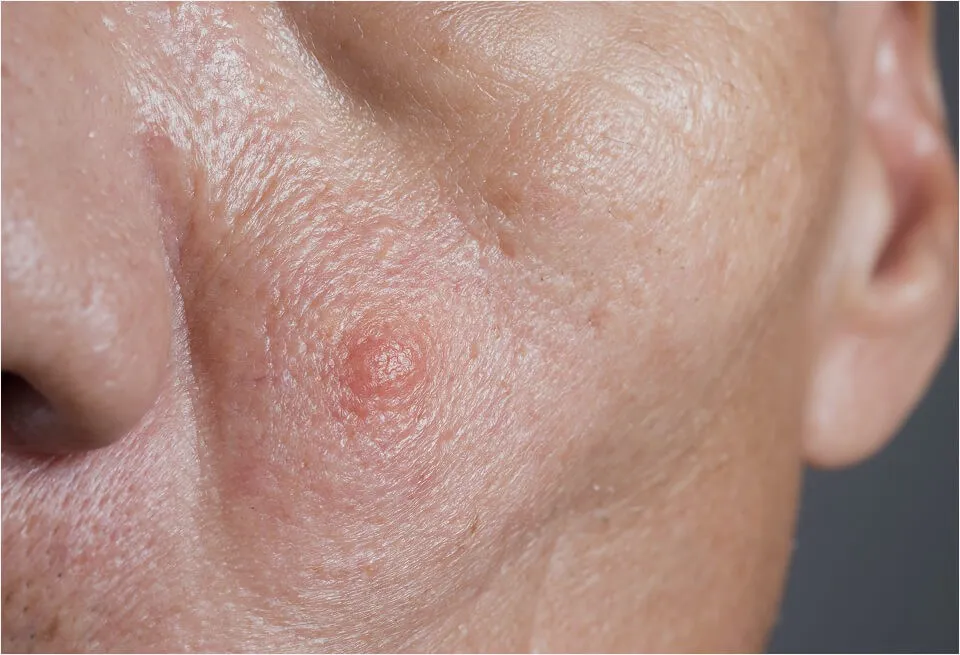
Blackheads tend to stand out as darker, more distinct plugs of different sizes. They may appear alongside whiteheads or inflamed spots. The pore stays open at the surface, hence the name open comedone. The dark colour comes from pigment in the material at the opening, not dirt.
Both can sit on the same nose. The pattern and the presence of a plug are more useful clues than colour alone. The aim is to clear genuine blockages and make the remaining dots less noticeable; a completely pore-free nose is not a realistic treatment result.

Which skincare makes a difference
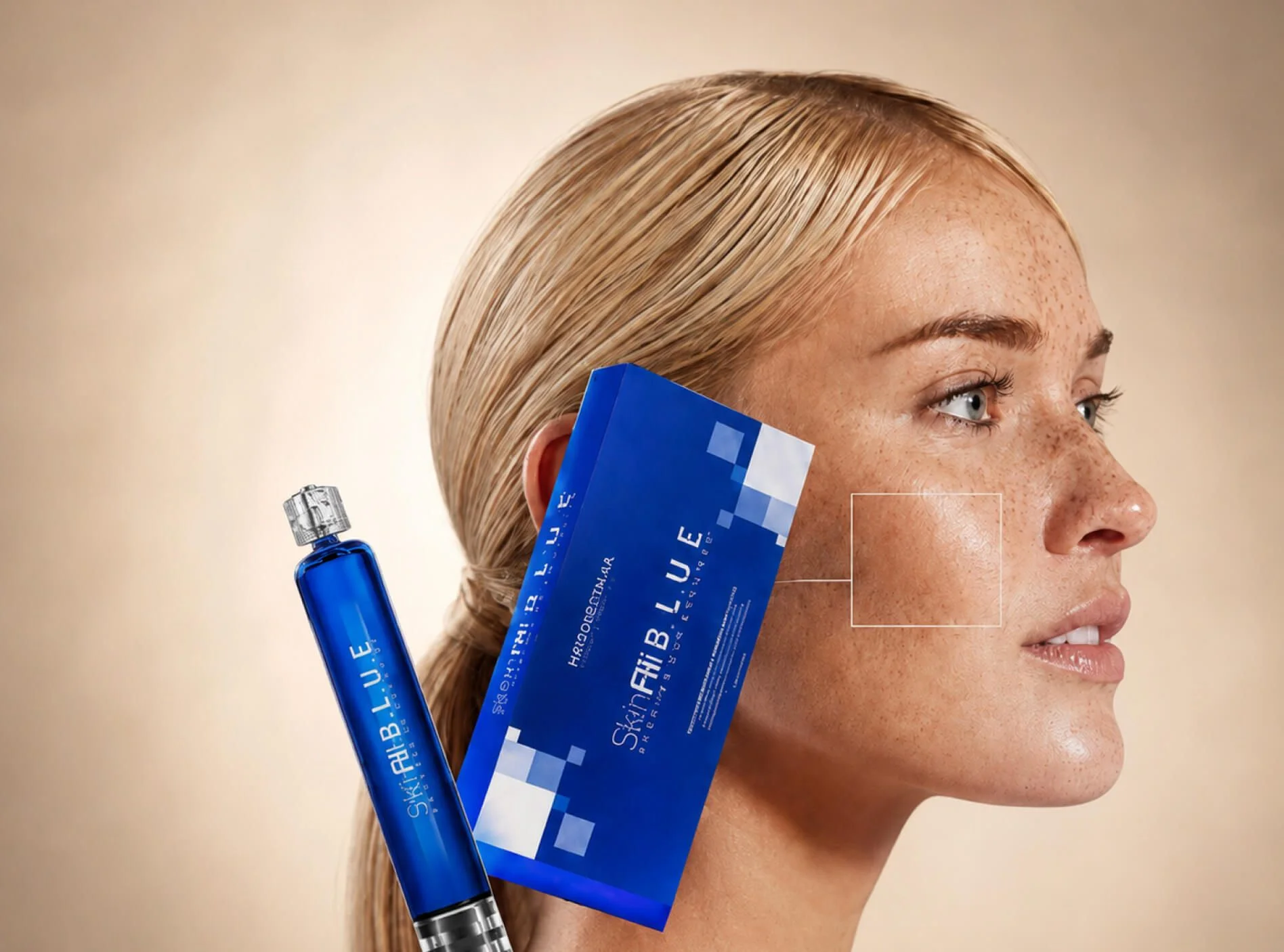
For oily skin with definite blackheads, salicylic acid is a useful option because it loosens the build-up of dead skin cells inside the pores. Obagi Medical CLENZIderm M.D. Pore Therapy contains 2% salicylic acid and is one of the products I use for this concern.
The percentage on the bottle is only part of the choice. Pore Therapy also contains alcohol, fragrance and menthol, which makes it a poor starting point for skin that already stings or feels irritated. Introduce one active product at a time, gradually, so you can see how your skin responds. Salicylic acid should be avoided if you have a known allergy to it.2
Skin that is shiny but also tight, flaky or sore needs a gentler approach first. Pause home extraction, scrubs, pore strips and irritating acids or retinoids. Repeated squeezing can cause lingering marks and scars, while adding more exfoliation can prolong the irritation. Give the skin time to feel comfortable with cleansing and moisturising before deciding whether an active ingredient is needed.
Both approaches need a simple foundation: a gentle cleanser, a moisturiser and daily broad-spectrum SPF 30 or higher. Non-comedogenic products are formulated to be less likely to block pores, and oily skin still needs moisturising. Obagi Hydrate is one possible moisturiser; there is no need to buy an entire range. For acne-prone skin, gentle cleansing twice a day with lukewarm water is generally enough.3
When blackheads persist, a topical retinoid such as adapalene may help prevent new blockages as part of an acne treatment plan. These medicines can irritate the skin at first and need gradual introduction. They have different uses and strengths from cosmetic retinol, so the two should not be treated as interchangeable.
Pregnancy or plans to become pregnant change the options: avoid topical retinoids and cosmetic retinol, and ask about alternatives such as azelaic acid. Other actives need individual advice; using a little salicylic acid at home is different from having a professional peel. Let your clinician know if you are breastfeeding too. During pregnancy, I generally postpone elective cosmetic peels and lasers.4
When a treatment can do more than skincare
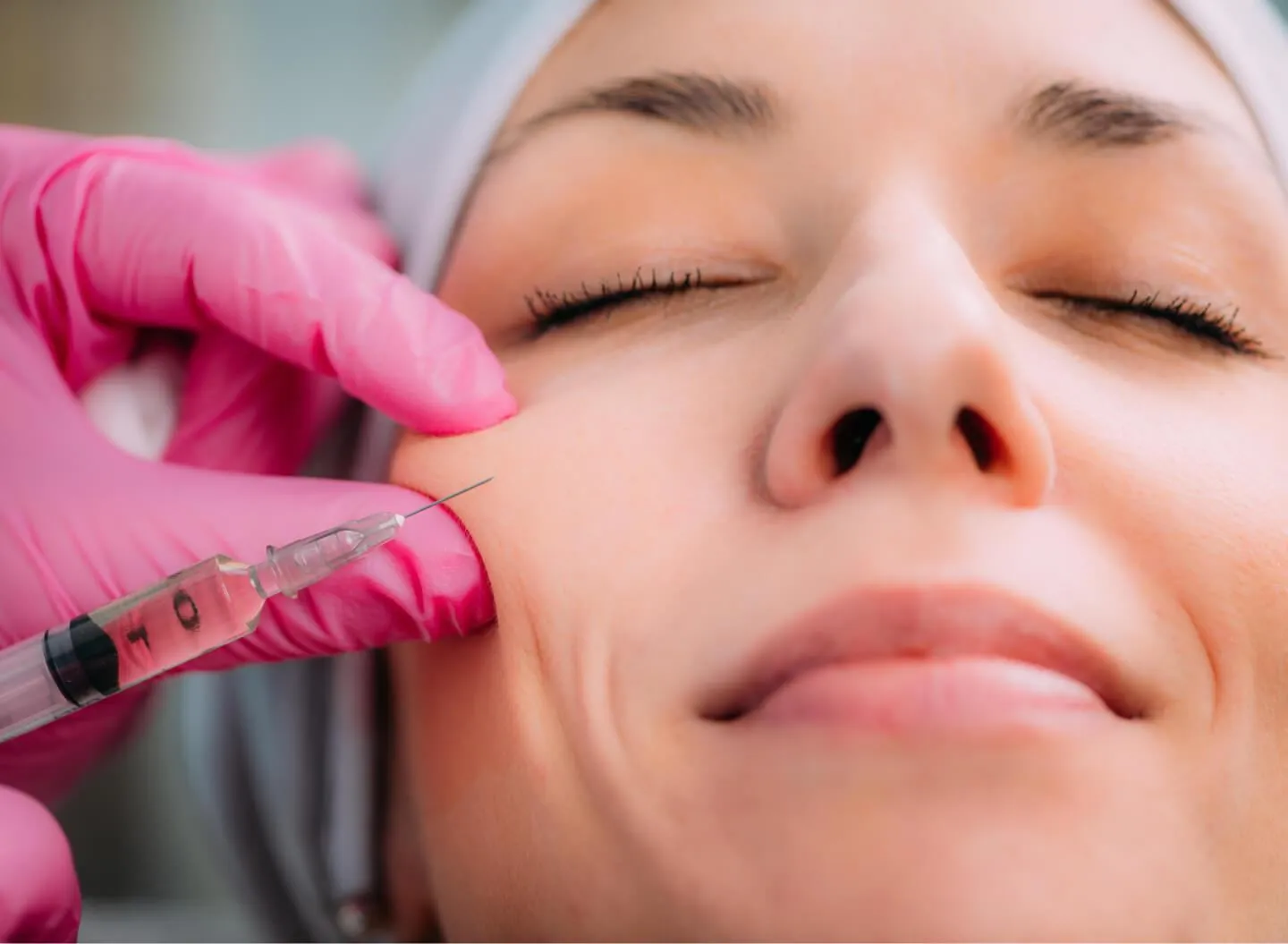
A few stubborn plugs and a whole area of congested skin call for different kinds of help. Medical extraction can remove selected blackheads that have not cleared with suitable skincare. It gives a more immediate change in those plugs, while ongoing care helps reduce new ones.
For more widespread blockages and uneven texture, a superficial chemical peel helps loosen accumulated surface cells. At rtwskin, we see clearer-looking, less congested skin when suitable patients combine a consistent Obagi CLENZIderm routine with salicylic acid peels. The routine then helps limit new blockages between visits.
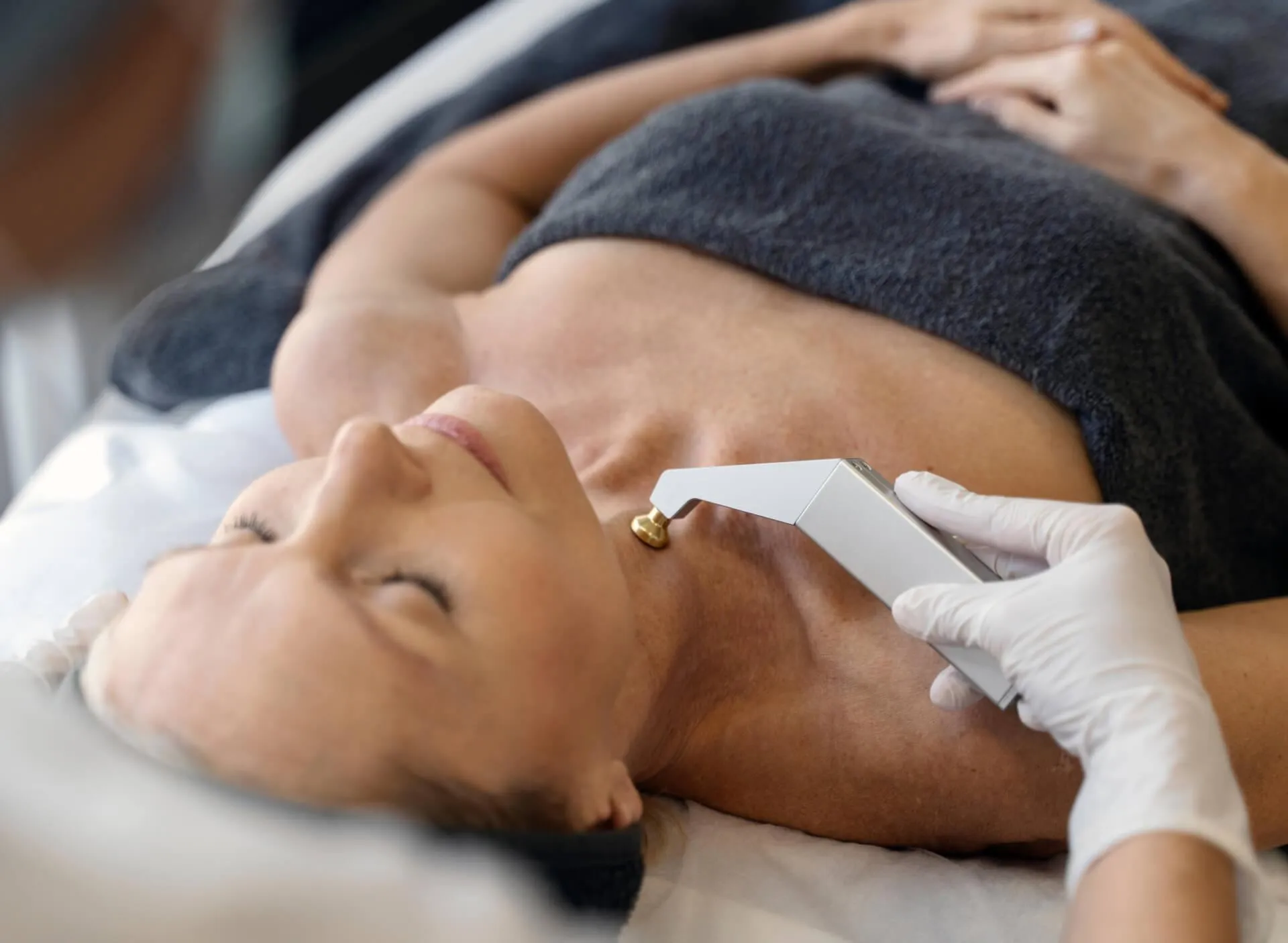
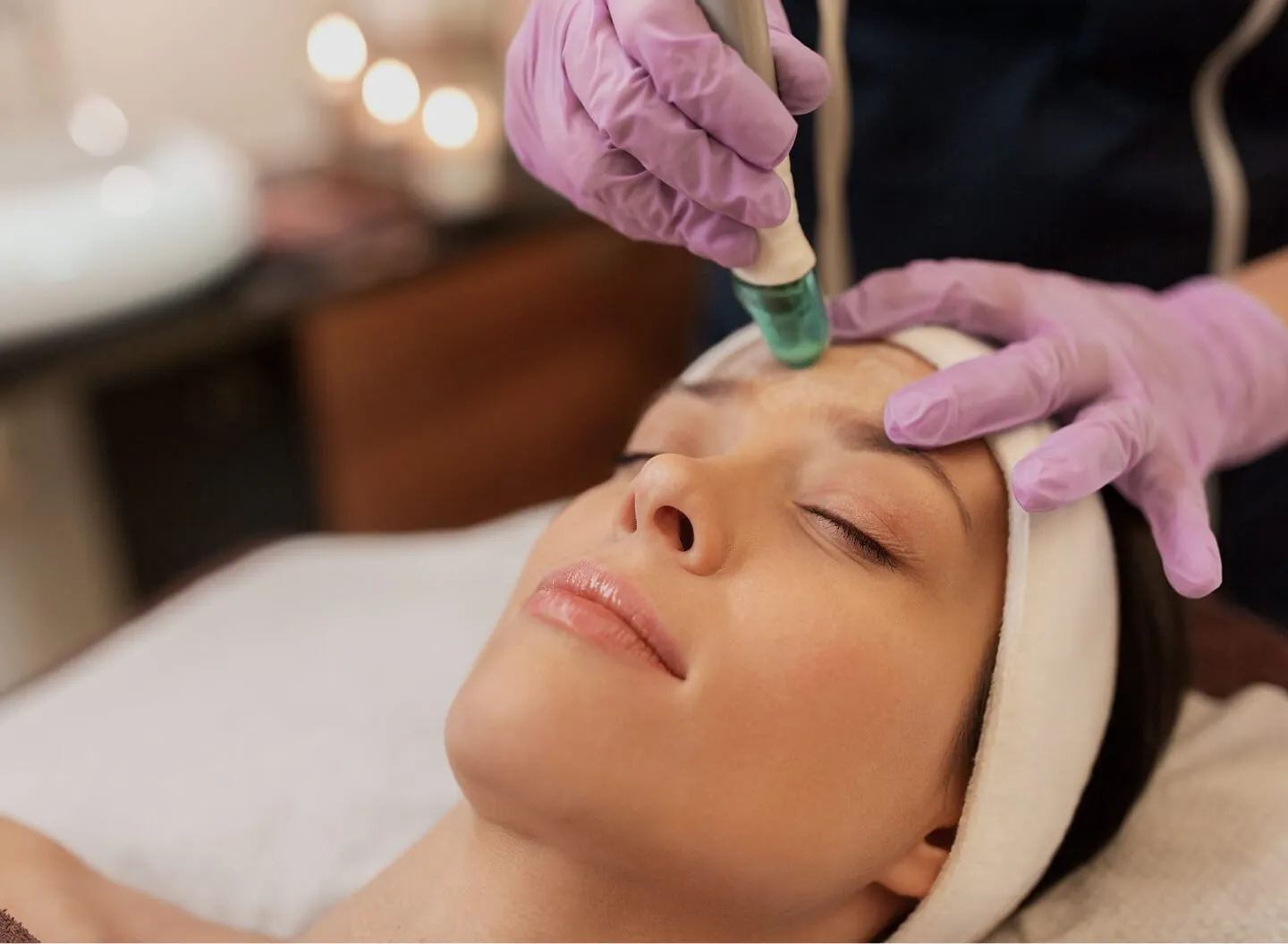
Microdermabrasion is another option for superficial roughness and congestion in skin that can tolerate mechanical exfoliation. If visible sebaceous filaments bother you, I usually recommend skincare alone, particularly for sensitive skin.
When enlarged pores are the main concern
Pores can remain visible even when there is little to extract. Oiliness, the size of the openings and the texture of the surrounding skin all contribute to their appearance.
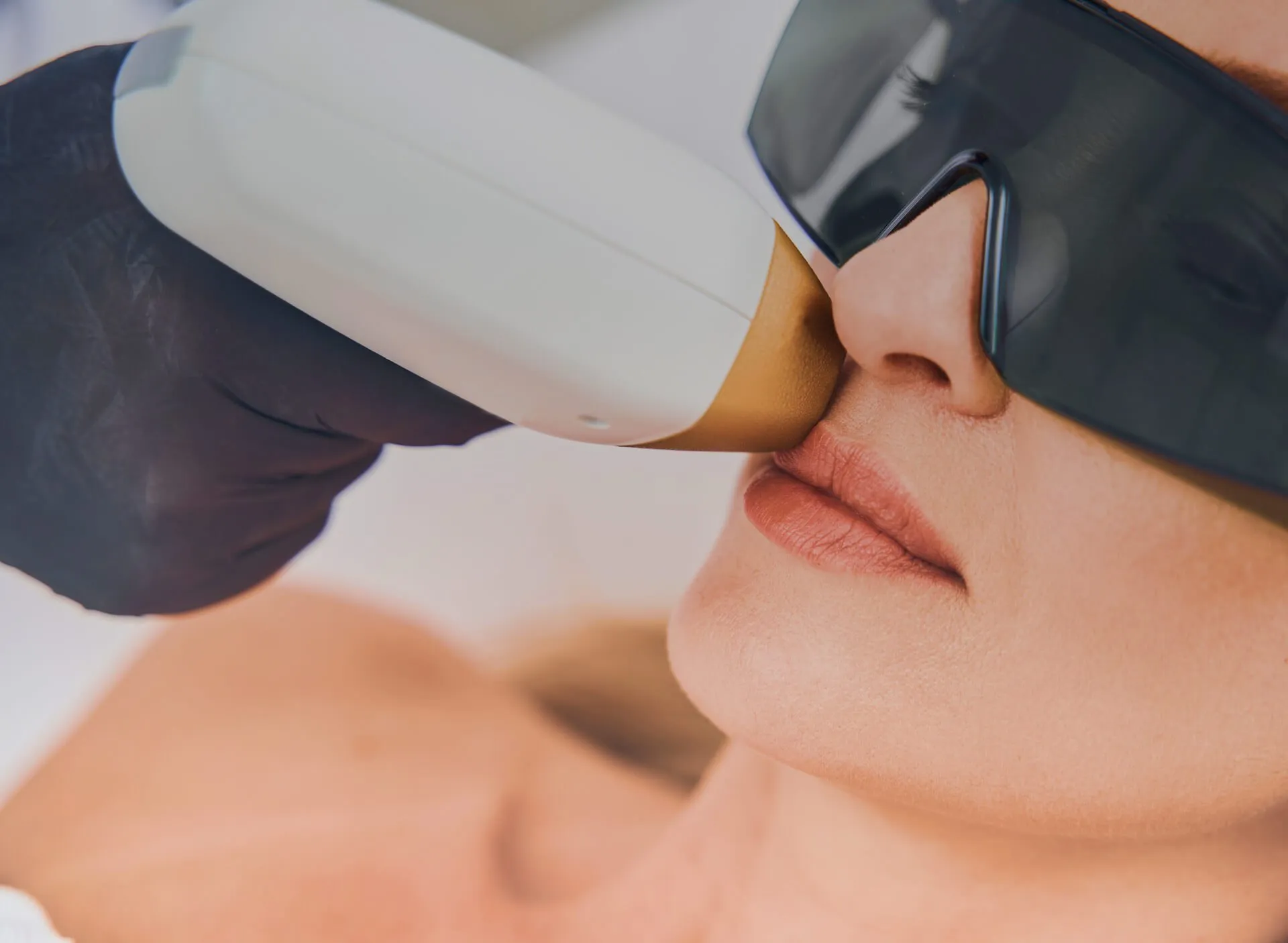
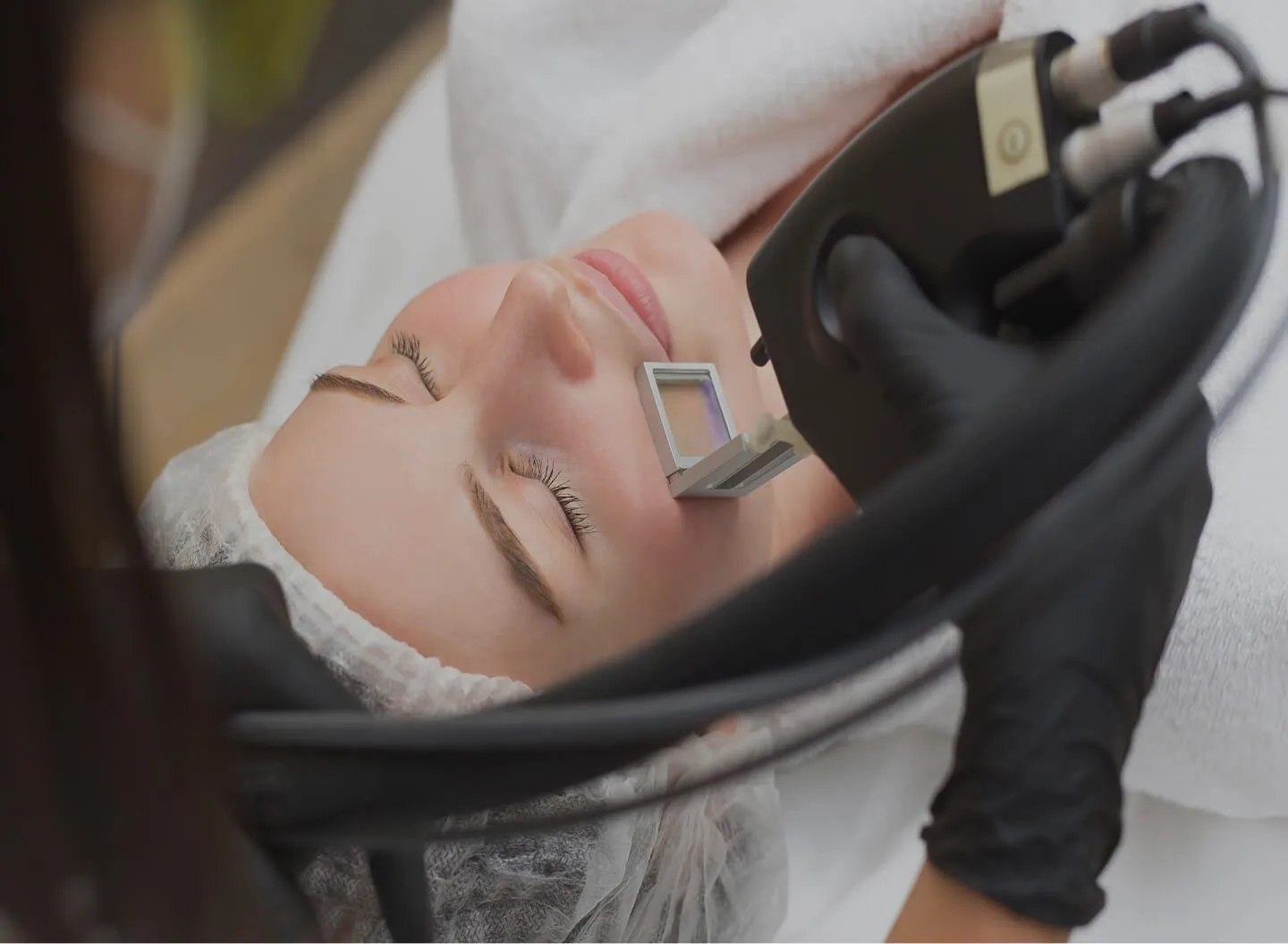
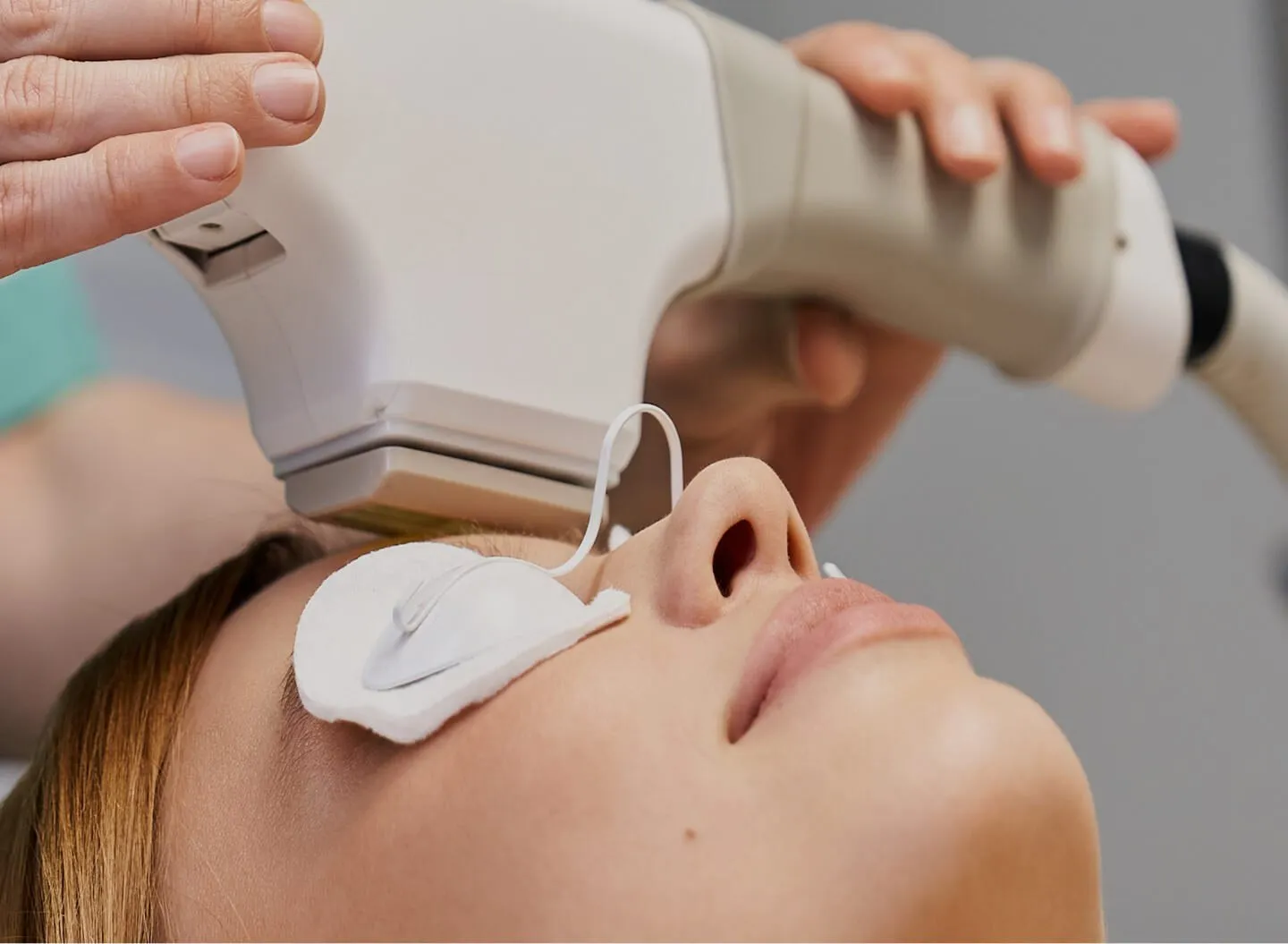
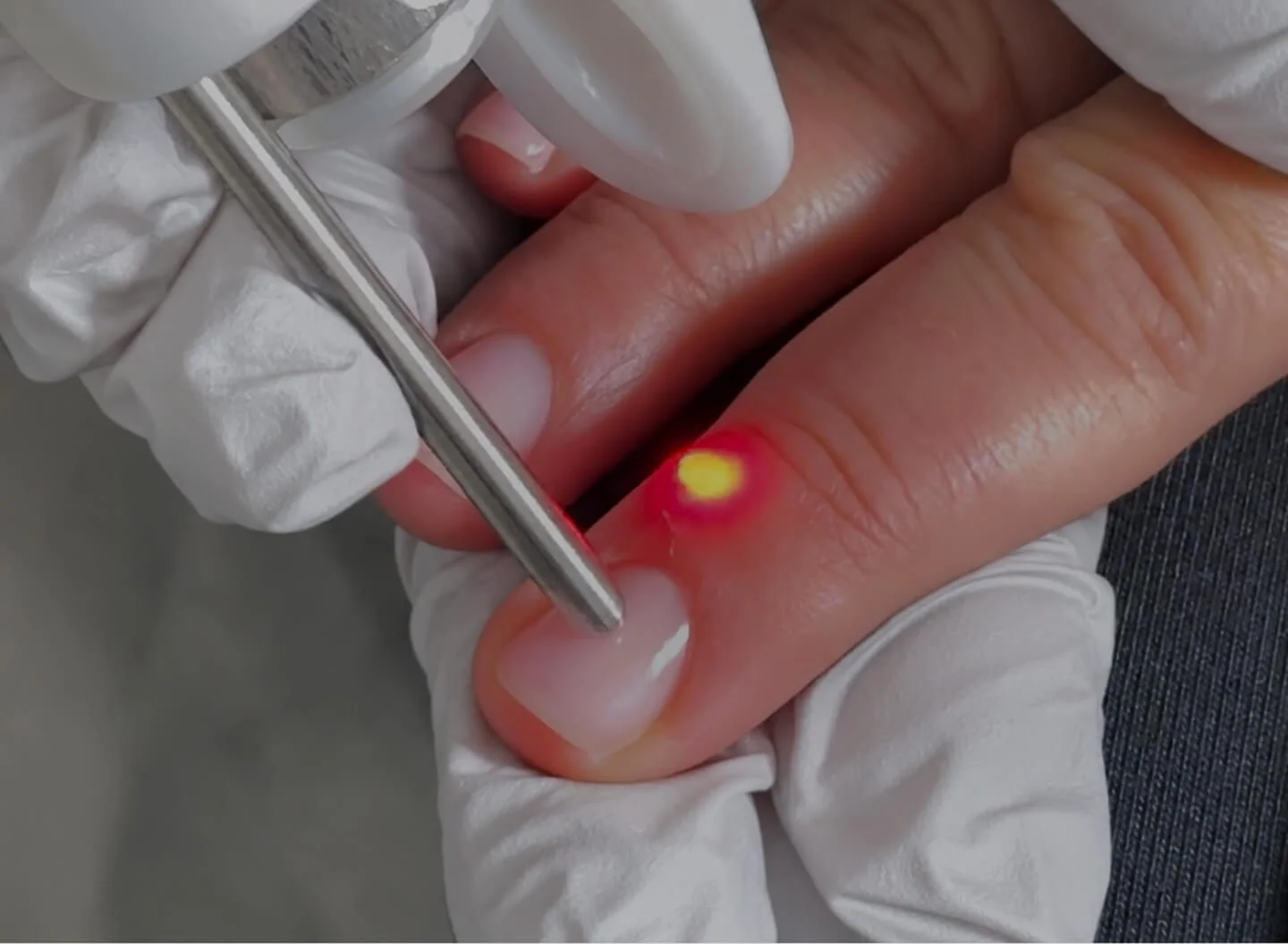
For persistent oiliness and enlarged pores, selected Nd:YAG 1064 nm treatments can reduce excess oil and make pores less noticeable. The effect depends on the settings used. Where the concern also includes acne scars or sun damage, fractional CO2 laser resurfacing can improve texture and encourage collagen renewal.5
CO2 resurfacing involves more recovery and careful assessment of pigmentation risk. Neither approach permanently closes pores, and resurfacing is not a routine treatment for normal sebaceous filaments.
Before a procedure, the skin needs to be settled. Sore, inflamed, broken or infected skin, sunburn and active dermatitis or rosacea can mean postponing treatment. Skin tone and a history of dark marks after spots help guide the choice, alongside recent tanning, medicines and other procedures. Extraction should not involve forcing resistant lesions.6
What improvement should look like
Look for fewer blackheads, less surface oiliness and a smoother texture that still feels comfortable. Progress should be noticeable in everyday life, without needing a magnifying mirror to find it. Normal pores and some sebaceous filaments will still be visible.
Acne treatment takes time: the first noticeable benefit may take six to eight weeks. I usually review an acne plan at around 12 weeks, or sooner if irritation develops. Photos taken without filters in similar lighting help us compare the change alongside an examination. If there is little benefit or the routine is difficult to keep up, we adjust the plan.7
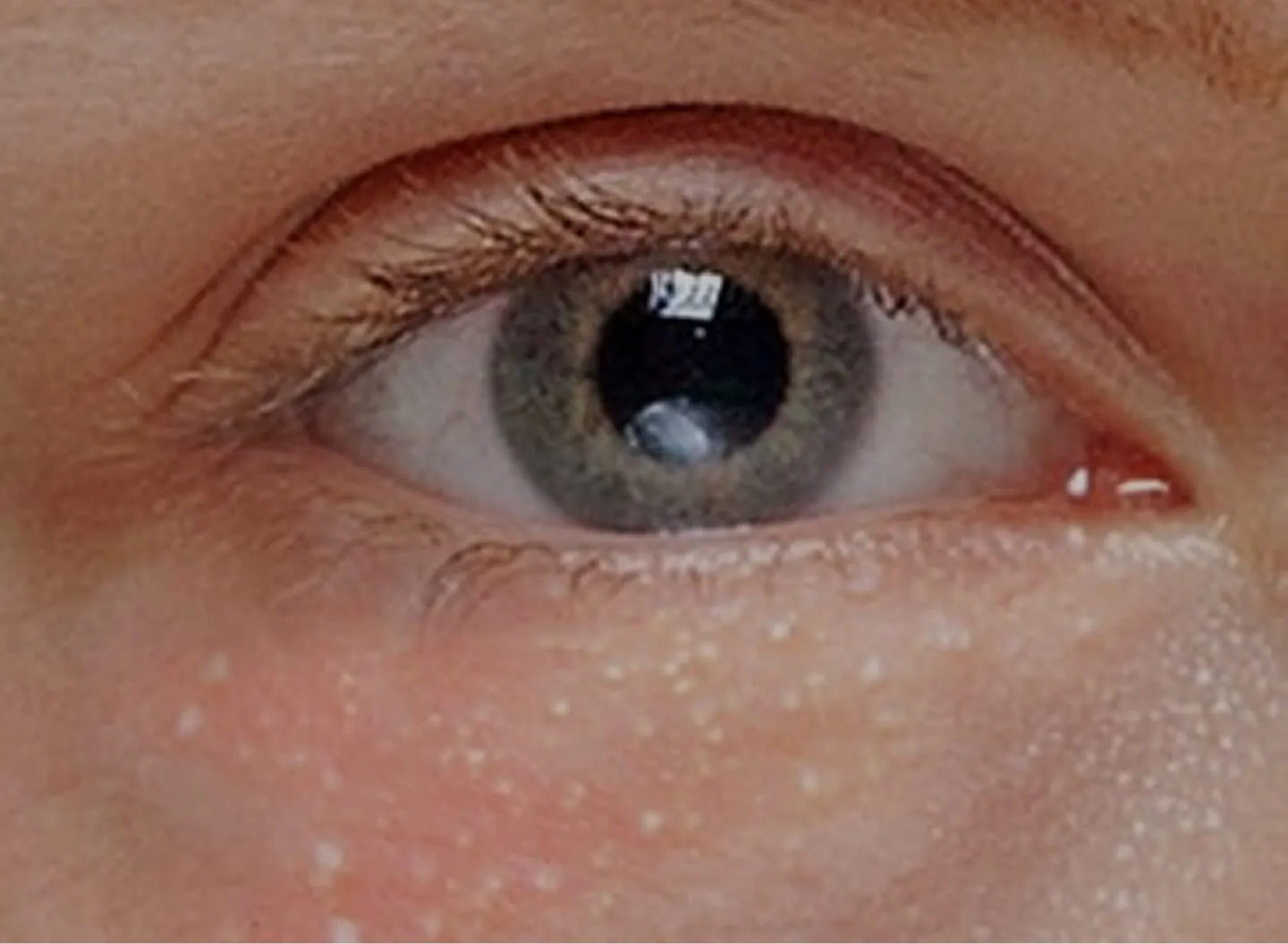
Sometimes a closer look explains why apparent blackheads have not responded. Tiny hairs trapped in a pore can resemble dark plugs, while small white bumps may be closed comedones or milia, tiny cysts containing keratin. Magnification or a dermatoscope can reveal details a photograph misses.8
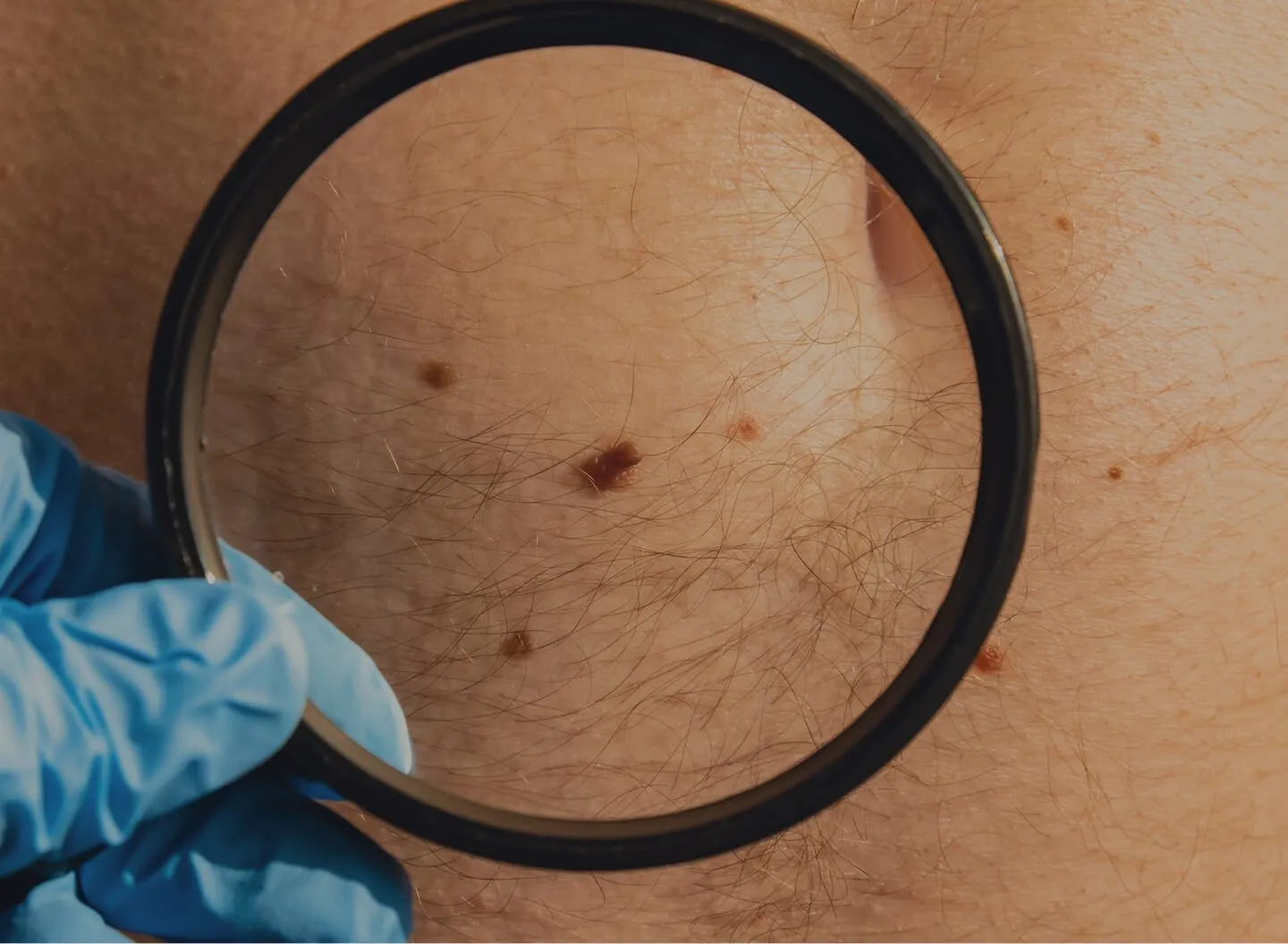
Persistent irritation, painful acne or scarring deserve an assessment. A single spot that changes, bleeds or does not heal needs medical assessment too, rather than repeated cosmetic treatment.

Choose the next step for your skin
At rtwskin in Tunbridge Wells, we can help you find out which dots will respond to treatment and which skincare is worth keeping. Bring your current products or a list to your consultation, and we can work out a practical routine and whether a procedure would add a worthwhile improvement.

Sources
- Cleveland Clinic. Sebaceous Filaments. DermNet. Comedonal acne.
- Obagi Medical. CLENZIderm M.D. Pore Therapy: product information and ingredients.
- NHS. Acne. American Academy of Dermatology. What can treat large facial pores?
- NICE. Acne vulgaris: management (NG198), recommendation 1.5.8. American Academy of Dermatology. Acne treatment during pregnancy.
- Roh MR et al. Effects of various parameters of the 1064 nm Nd:YAG laser for the treatment of enlarged facial pores. J Dermatolog Treat. 2009;20(4):223–228. doi:10.1080/09546630802647244. Kwon HH et al. Clinical and Histological Evaluations of Enlarged Facial Skin Pores After Low Energy Level Treatments With Fractional Carbon Dioxide Laser in Korean Patients. Dermatol Surg. 2018;44(3):405–412. doi:10.1097/DSS.0000000000001313.
- DermNet. Chemical peels.
- NICE. Acne vulgaris: management (NG198), recommendations 1.5.5 and 1.5.12 on treatment response and review.
- DermNet. Trichostasis spinulosa; Milium.