



























































Profhilo vs polynucleotides
When you ask me about Classic Profhilo or Polynucleotides, I start with the change you would like to see. Perhaps your skin feels dry and looks dull, or fine creasing beneath your eyes has become more noticeable. Those details help me understand what would make a worthwhile difference to you.
I tend to favour Profhilo when hydration and radiance are the priority, and polynucleotides when I want to improve crepiness and texture in particular areas. Their uses overlap. At rtwskin, we offer both, so we can choose according to your skin and the result you hope for.

How I choose for tired looking skin
If your skin feels tight, looks less luminous and has developed fine dehydration lines, Classic Profhilo is often my starting point. I look for skin that is otherwise calm and healthy but has lost some softness and suppleness. Patients often first notice that it feels softer, reflects light more evenly or that make-up sits better. These are the everyday changes that can make skin look fresher.
Profhilo, made by IBSA, contains hyaluronic acid, which binds water. Its combination of high and low molecular weights is designed to improve hydration and suppleness. It works differently from a dermal filler used to shape lips or add projection to cheeks. This article focuses on Classic Profhilo; Structura addresses deeper facial tissue support, while Profhilo Body is intended for selected body areas.
For thin, crepey skin or rougher texture in a particular area, I may lean towards polynucleotide treatments. The change is usually gradual: skin may feel smoother and fine creasing may become less noticeable, particularly around the eyes. A history of sensitivity, previous inflammation or sun exposure also helps me understand the skin, once any active irritation has settled.
Polynucleotides are purified DNA fragments extracted from salmon or trout sperm, depending on the product. They are studied for their effects on tissue repair and skin quality, with the practical aim of improving texture, fine lines and elasticity. We use formulations from the Ameela and Mastelli Plinest ranges, choosing the product for the area and skin condition.
If the skin is inflamed, infected, broken or very irritated, I address that first. Dryness caused by eczema needs care for the eczema before we consider an injectable. These treatments improve skin quality; substantial volume loss, pronounced sagging or pigmentation may need another approach. Neither produces a surgical lift.
Choosing for the skin beneath your eyes
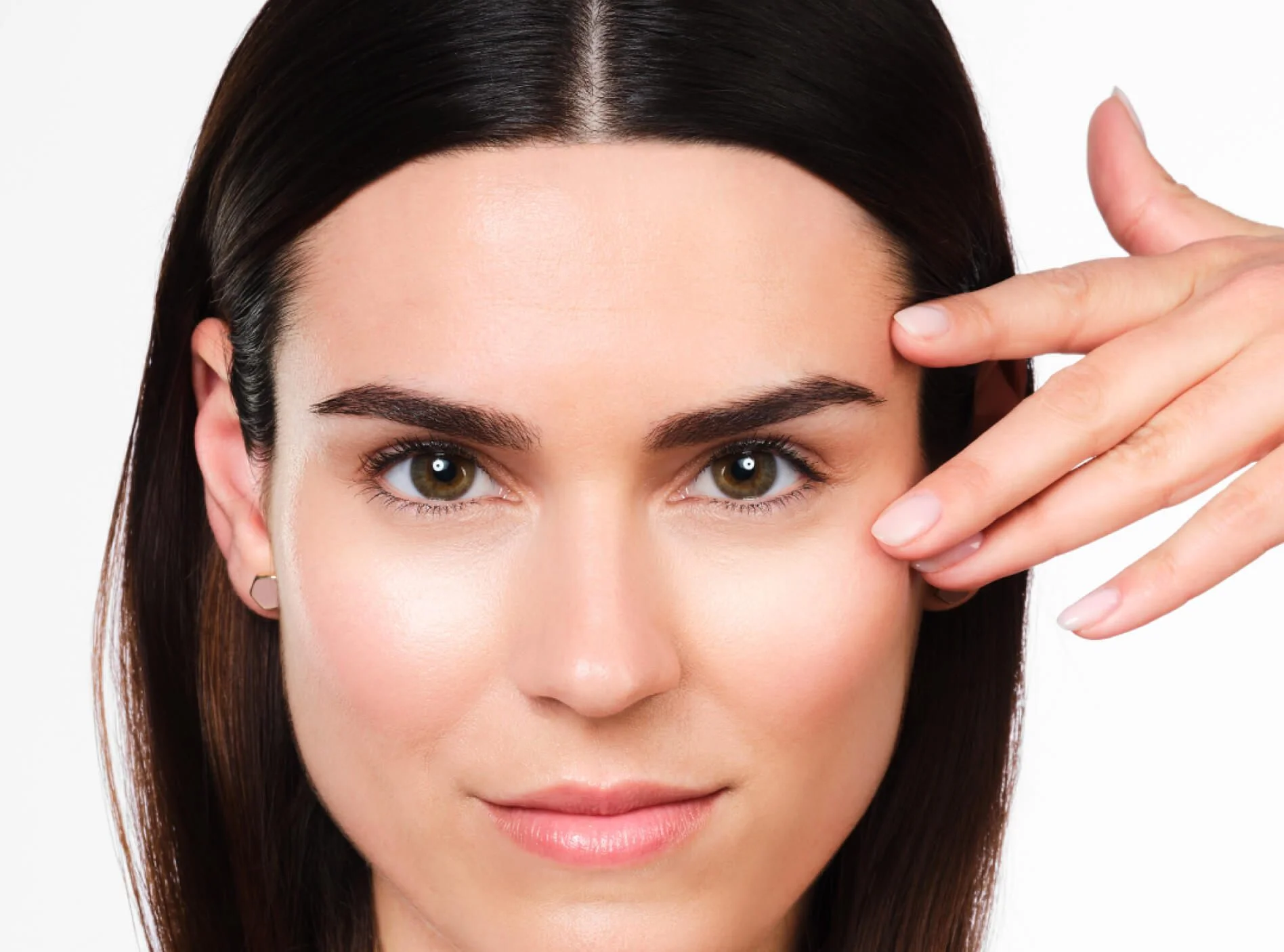
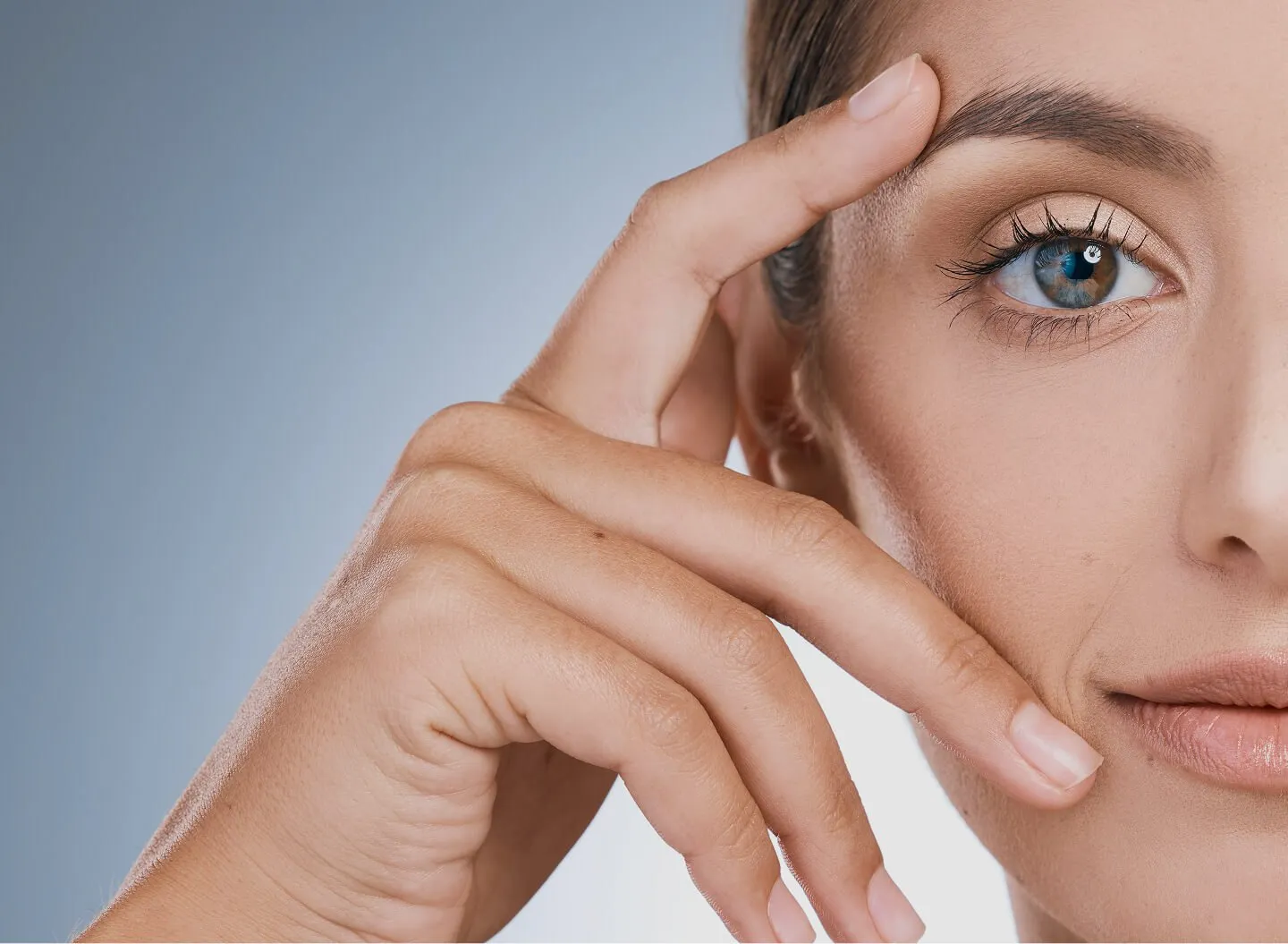
When fine lines and crepey skin are the main concern, an eye-specific polynucleotide formulation can be an option for a smoother-looking under-eye area. I look for fine surface creasing that remains visible in even lighting. I do not inject Classic Profhilo directly beneath the eyes or into the eyelids; I use it for overall skin quality across the mid and lower face.

A hollow creates a shadow that often changes with the light. Polynucleotides do not replace the missing volume. Puffiness can come from fluid retention, persistent swelling or prominent fat pads; injections may temporarily increase swelling and will not remove eye bags. Sometimes an assessment by a specialist in the eyelids and surrounding tissues is the appropriate next step.
Colour gives us another clue. Brown discolouration may suggest pigment, while blue or purple tones can reflect vessels showing through thin skin. Several features can be present together, so improving fine creasing may make the skin look smoother while some darkness remains. This is what I want us to establish before choosing treatment: which part of the appearance we can help.
One patient had three polynucleotide treatments to the lower eyelids, where a prominent vessel was already visible. After the course, she reported that it looked more noticeable. Later, her skin quality improved and the vessel appeared less noticeable. That observation cannot establish improved circulation or prove that treatment caused the change in the vessel. It is why I review skin texture and visible vessels separately, and assess unexpected changes rather than assume they show treatment is working.
Planning the course and seeing the change
For Classic Profhilo, we usually start with two sessions approximately four weeks apart, then review the response. Treatment requirements can differ for larger areas. Our published polynucleotide course is three sessions, two to three weeks apart, with the plan adapted to the formulation, area and your response.
Give the skin time to settle and the result time to develop. Early swelling can make an area look smoother or fuller, so the first few days are too soon to judge. For facial treatments, I usually review the result around four to six weeks after the final session, adjusting the timing to the treatment.
At review, I look at hydration, texture, suppleness and fine lines, and ask what you have noticed day to day. Photographs help when the lighting, angle, expression and make-up are consistent. I use them alongside examination and your experience: the improvement should matter when you look in the mirror, as well as in a photograph.
We discuss the full course cost, recovery and possible maintenance before you decide. Neither treatment is permanent. Our general polynucleotide guidance suggests considering maintenance at six to nine months, but the timing depends on the benefit achieved. If the improvement is small, I revisit the original concern and our starting photographs and examination before recommending more treatment.
What the research tells us
The research is encouraging, although it does not give us a clear winner. A small Profhilo study1 reported improved hydration, measured in a small subset of participants, without an untreated comparison group. A systematic review of polynucleotide studies2 found promising results, with limitations in study quality and consistency.
A trial of polynucleotides and hyaluronic acid around the eyes3 used a hyaluronic acid product that was not Profhilo. It cannot tell us that polynucleotides are better than Profhilo. The findings help inform the discussion alongside examination of your skin and the improvement you want.
How the injections differ
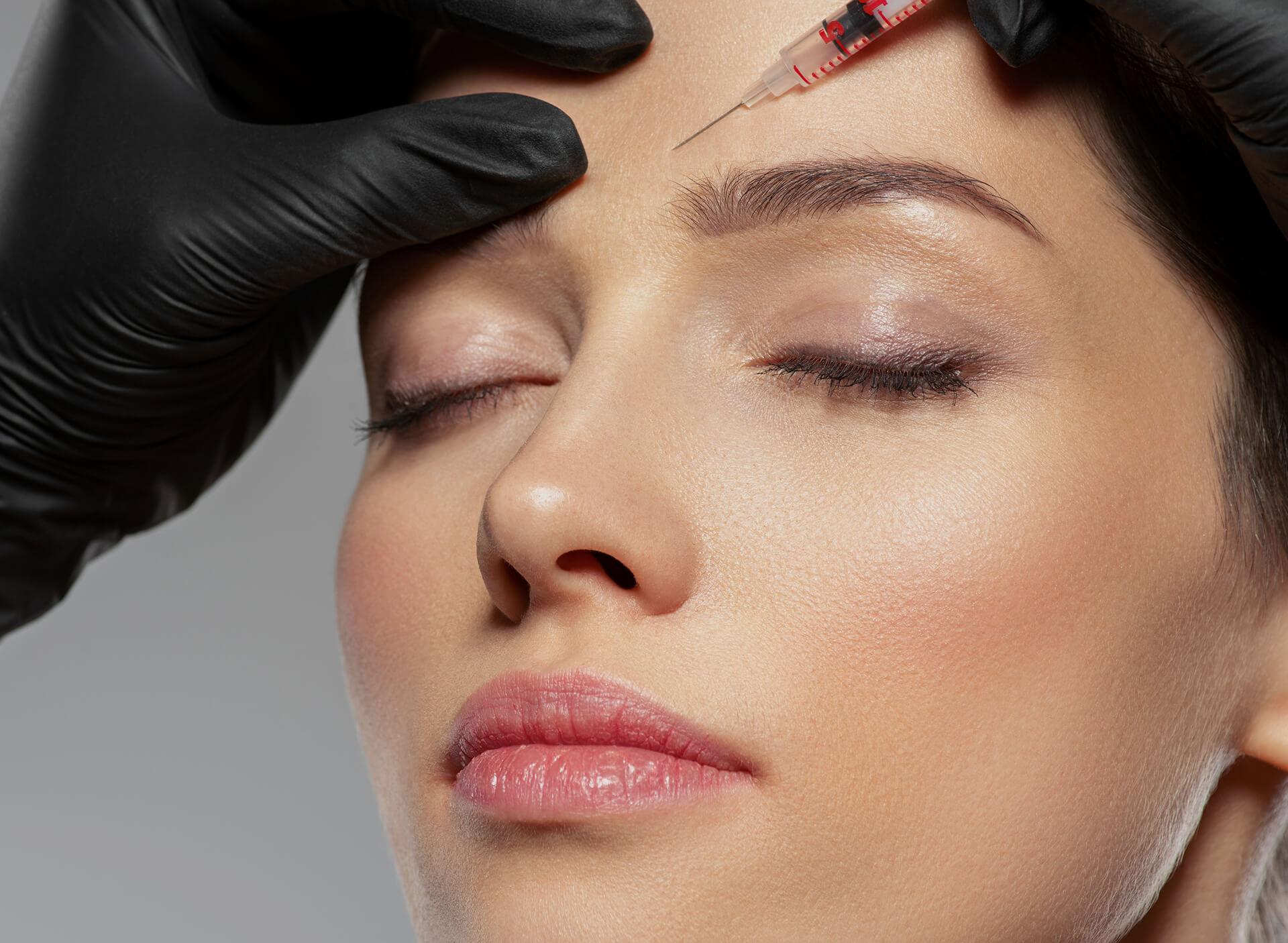
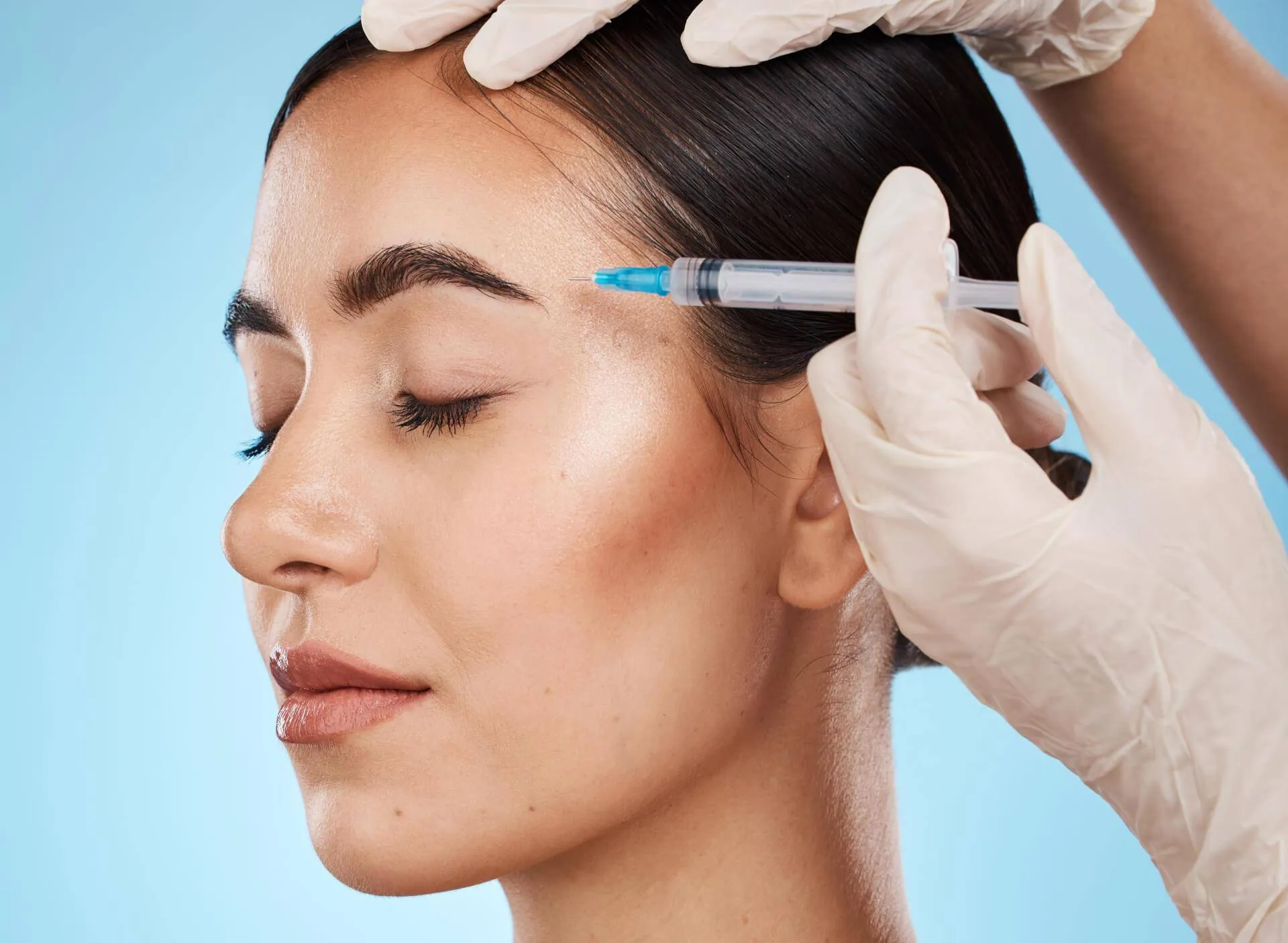
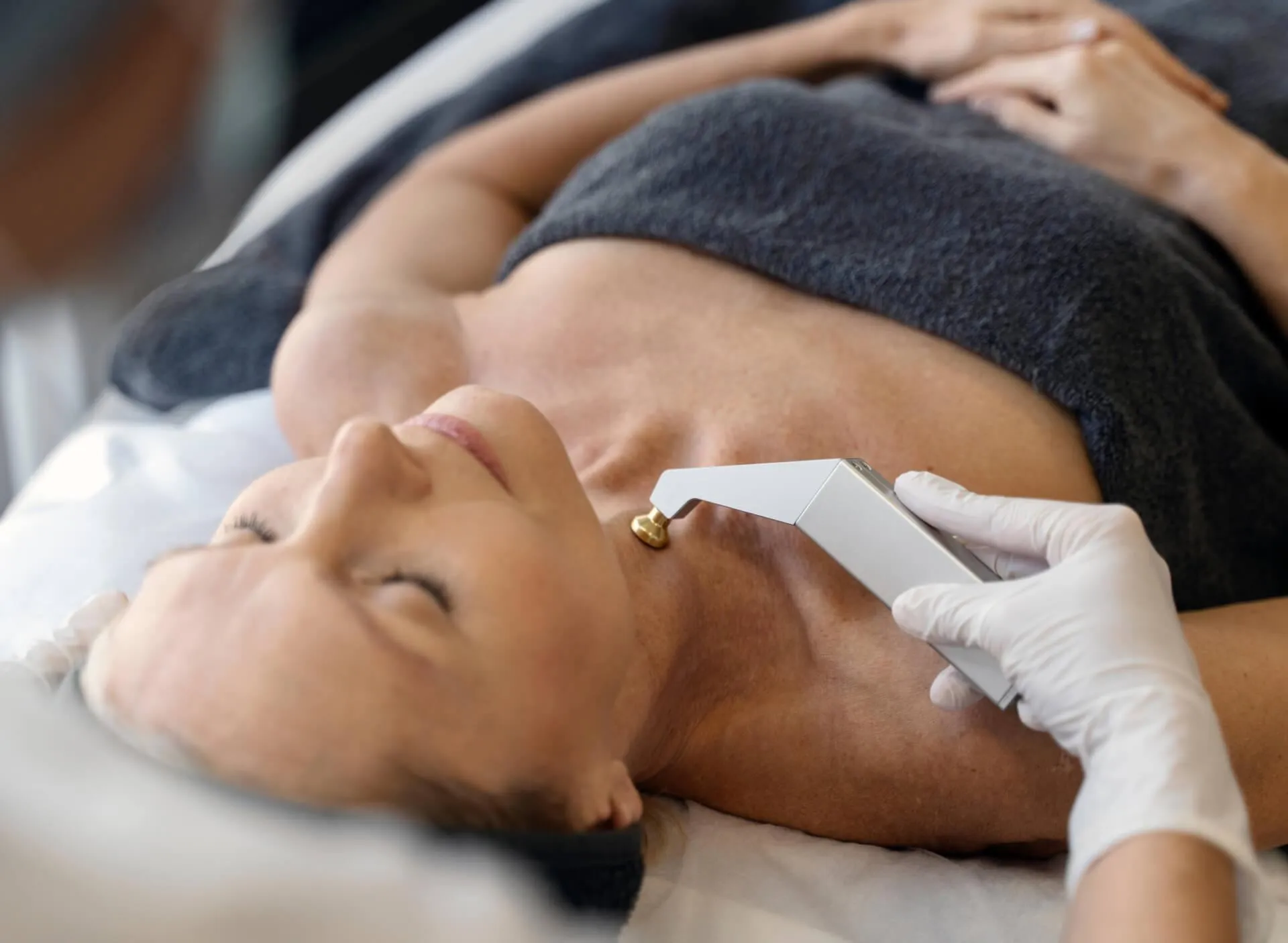
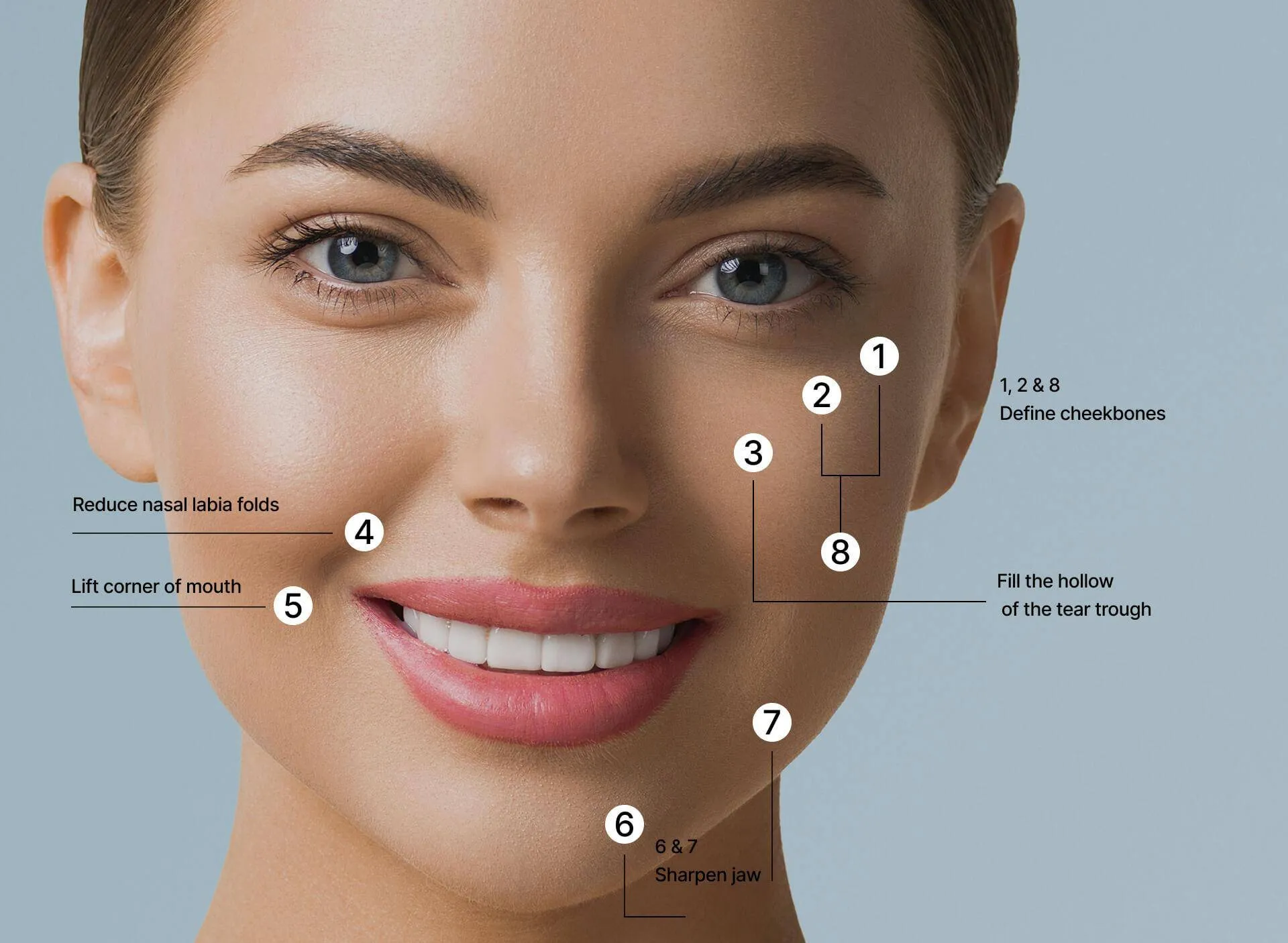
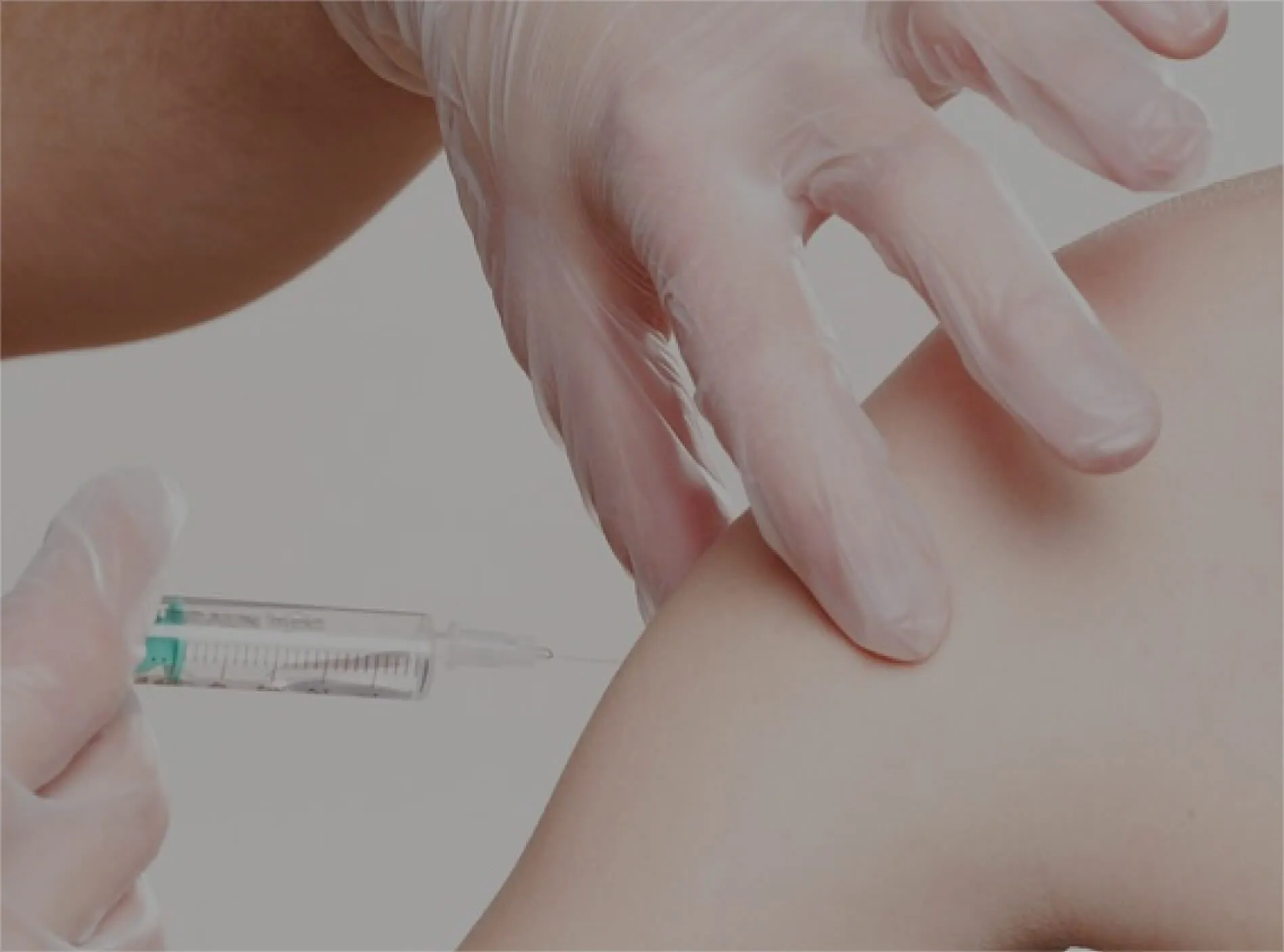
For Classic Profhilo on the face, we usually place small deposits at five points on each side, ten in total. The product then spreads through the surrounding tissue. Other areas, such as the neck, use a different pattern.

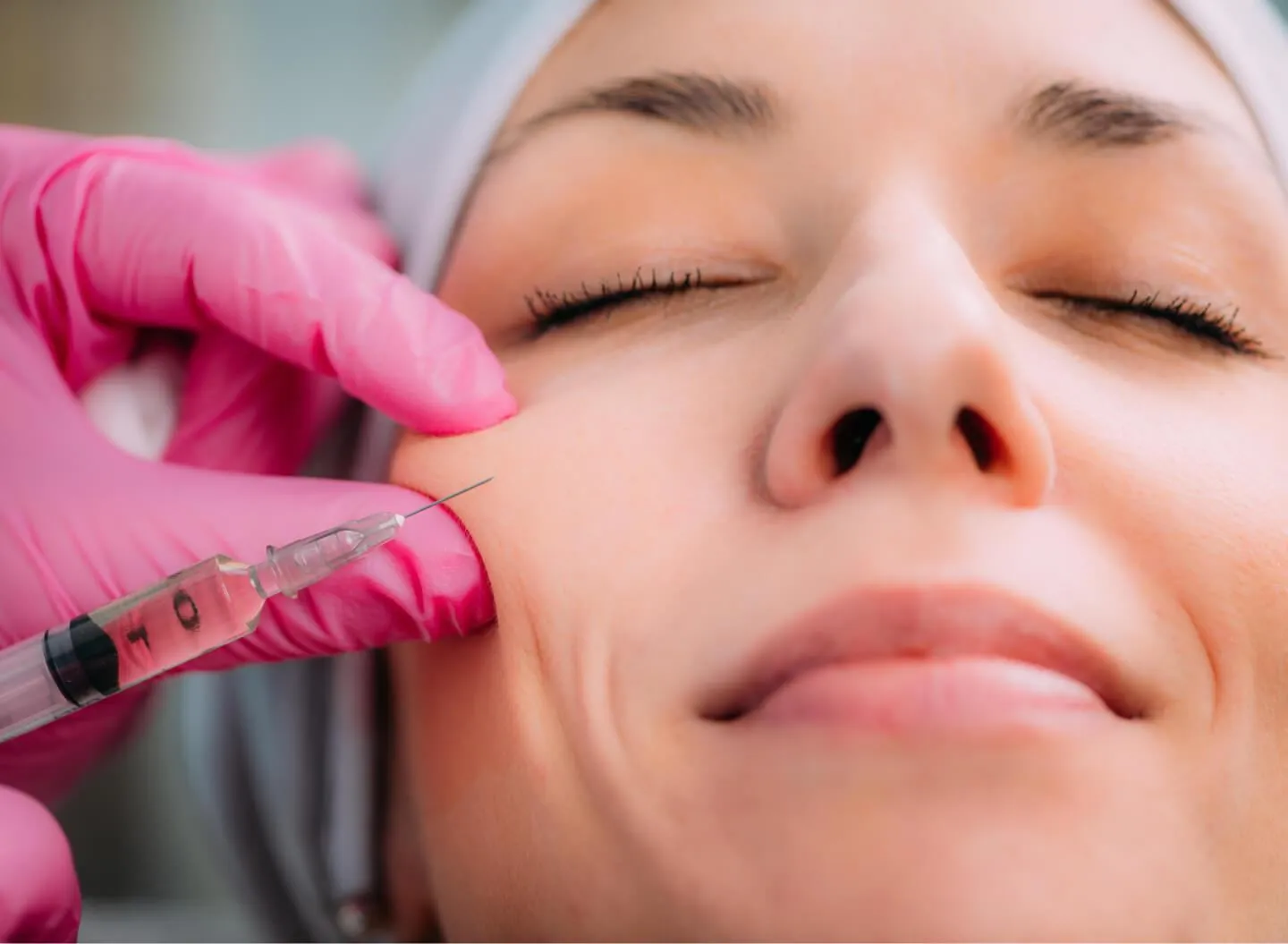
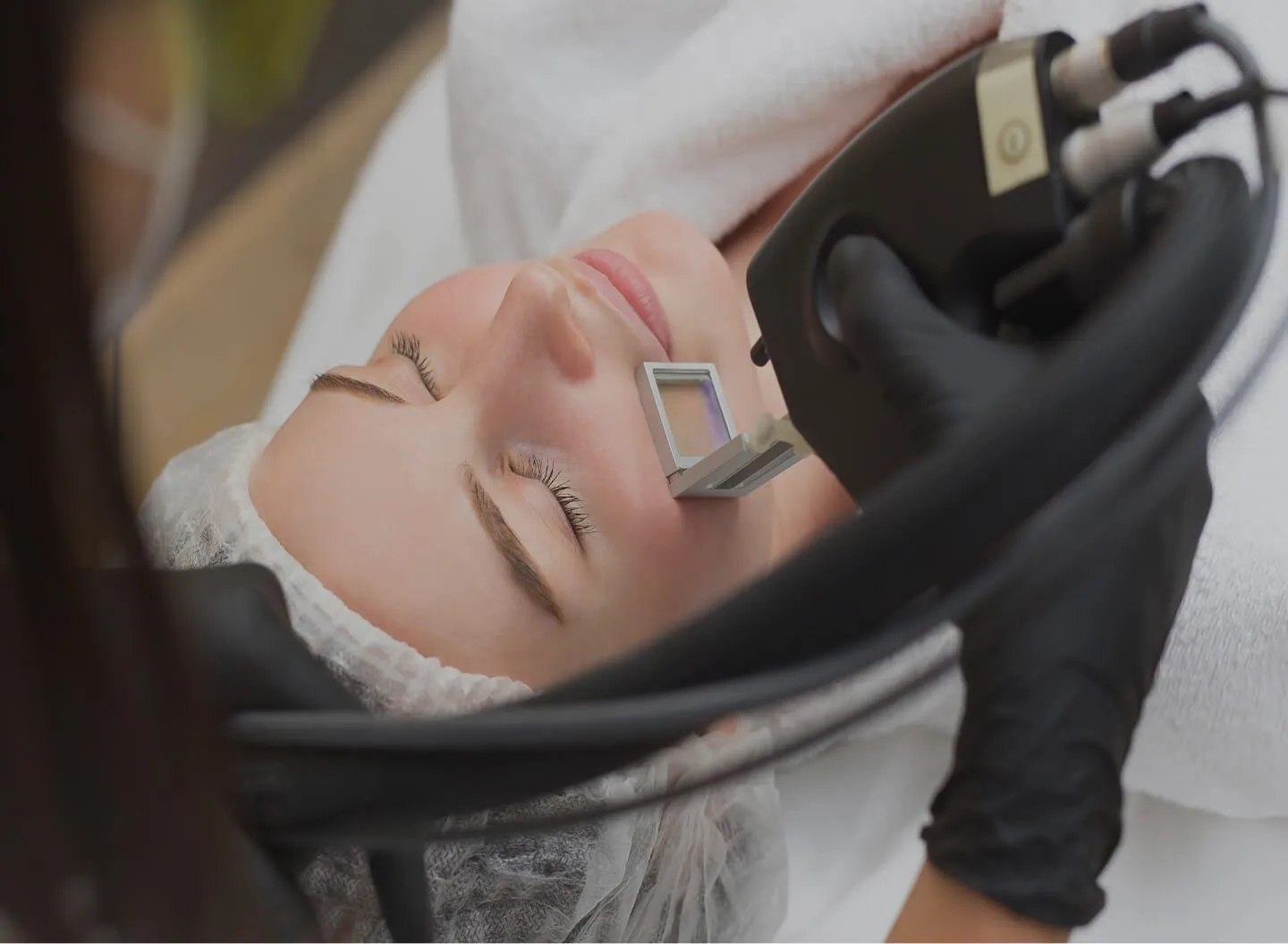
For polynucleotides, I usually use a fine needle to place many tiny droplets within the skin across the treatment area. The depth and spacing suit the formulation and skin thickness. In selected cases we use a cannula, a fine tube passed beneath the skin. Both approaches can leave temporary marks, as explained below.
Visible bumps and recovery
Both treatments can cause temporary redness, tenderness, swelling or bruising. In my experience, facial Profhilo deposits often flatten within a few hours as the product spreads. On the neck, they may remain visible until the following day or longer.
Polynucleotide microdroplets can leave many small raised areas. Around the lower eyelids and crow’s feet, puffiness can be more noticeable. Swelling may last several days, and bruising can take around two weeks to clear. Allow a recovery window before an important occasion.
Follow the written aftercare for your product and area, and avoid rubbing or trying to flatten the injection bumps.
Before treatment, tell us about medicines, allergies, previous procedures, pregnancy or breastfeeding, and any skin infection or inflammation. Mention a fish allergy when discussing polynucleotides so the exact product can be checked. Do not stop prescribed medicines without medical advice.
Contact us if symptoms worsen rather than settle. Severe or increasing pain or unusually pale or dusky skin need urgent assessment; any visual disturbance needs immediate emergency care.
When both treatments have a place
Sometimes the face and neck need broader hydration while the skin beneath the eyes has more localised crepiness. Profhilo can address the first concern, with an eye-specific polynucleotide treatment for the second. I begin with the main priority, plan the sequence around the product instructions and recovery, and review the response before adding another treatment. Each should have a useful role in your plan.
Find the right approach for your skin
You do not need to arrive having chosen a product. Bring the change you have noticed and the improvement you would like to see. At rtwskin in Tunbridge Wells, we can look at your skin together, explain which option suits it and plan treatment around the result you want and the recovery involved. Book a consultation to take that next step with a clear recommendation.

Sources
- Cheng SWN et al. Efficacy and Tolerability of Stable Hybrid Cooperative Complexes of High- and Low-Molecular Weight Hyaluronic Acid in Asian Patients: An Open-Label Study. Aesthetic Plastic Surgery. 2026;50:27–36. doi:10.1007/s00266-025-05188-x.
- Lampridou S et al. The Effectiveness of Polynucleotides in Esthetic Medicine: A Systematic Review. Journal of Cosmetic Dermatology. 2025;24(2):e16721. doi:10.1111/jocd.16721.
- Lee YJ et al. Comparison of the effects of polynucleotide and hyaluronic acid fillers on periocular rejuvenation: a randomized, double-blind, split-face trial. Journal of Dermatological Treatment. 2022;33(1):254–260. doi:10.1080/09546634.2020.1748857.